CO-NELEMixing & Granulation
Engineered for precision mixing, extreme durability, and maximum operational efficiency across global infrastructure and commercial projects.
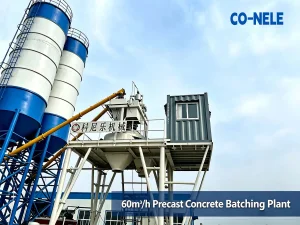
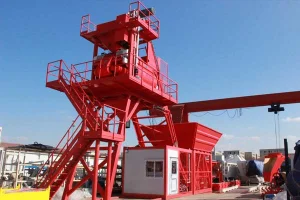
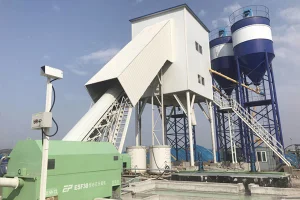
The HZS120 concrete batching plant stands as a core benchmark for commercial ready-mix (RMC) production, major bridge construction, and mega-infrastructure projects requiring sustained nominal outputs of 120 m³/h.
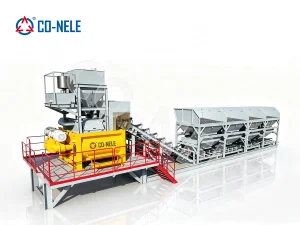
At the center of the HZS120 system is a compulsory twin-horizontal-shaft mixer (typically JS2000 model with a 2.0 m³ batch discharge output). Modern engineering enhancements incorporate counter-rotating helical mixing arms positioned at optimized 45-degree spatial angles. This mechanical arrangement ensures turbulent shear mixing within 30 to 45 seconds per cycle, achieving a coefficient of variation (CV) < 5% even when processing dense low-slump concrete or aggregate mixes with sizing up to 80mm.
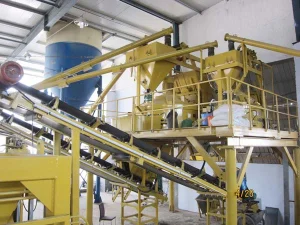
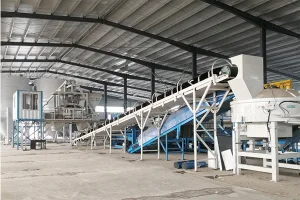
The batching process utilizes a four-compartment PLD3200 aggregate bin structure, equipped with multi-stage pneumatic discharge gates and independent load-cell weighing hoppers. Aggregate is delivered to the main mixing tower via a heavy-duty, chevron-patterned belt conveyor enclosed within a weather-tight gallery. Multi-frequency sensor arrays dynamically adjust target weights, compensating for free moisture content in real-time to maintain absolute water-cement (w/c) ratio fidelity.
| Engineering Metric | HZS120 Standard Specification | High-Precision Precast Variant | Industrial Tolerance / Standard |
|---|---|---|---|
| Nominal Production Capacity | 120 m³/h (Wet Mix Output) | 100–110 m³/h (Extended Shear Cycle) | ISO 9001 / GB/T 10171-2016 |
| Mixer Model & Volume | JS2000 Twin-Shaft (2000L Discharge) | CMP2000 Vertical Planetary Mixer | DIN 459 / EN 206 Compliance |
| Aggregate Batching Unit | PLD3200 (4 Bins, 4 x 25m³ Capacity) | PLD3200 (Custom Multi-Silo Matrix) | Weighing Precision ±2.0% |
| Cement / Powder Weighing Range | (0–1200) ± 1.0% kg | (0–1500) ± 0.5% kg High Accuracy | OIML R76 Class III Certified |
| Water & Liquid Admixture Dosing | Pressurized / Coaxial Spray Bar | Microwave Moisture Auto-Compensation | Dosing Accuracy ±1.0% / ±0.5% |
| Total Installed Power | ~210 kW (Standard Belt Line) | ~240 kW (With Dust & Heating Systems) | 380V/415V/440V 50/60Hz Custom |
Information Gain Insight: Unlike lower-capacity batching plants (such as HZS60 or HZS90), the HZS120 system is engineered with dual-computer synchronized SCADA control systems. If the primary industrial PC experiences hardware failure, the secondary PLCs immediately execute seamless failover without interrupting active batching cycles or losing formulation telemetry.
Field measurements collected from over 1,200 HZS120 units operating in severe climatic and high-throughput environments globally.
How advanced OEM cluster integration and industrial automation deliver world-class machinery with optimized Total Cost of Ownership (TCO).
Chinese batching plant manufacturers benefit from localized supply chains for heavy structural steel, specialized high-chromium alloy casting (such as KMTCr26 wear plates), and precision machining centres in provinces like Shandong. This spatial concentration eliminates logistics overhead and reduces component procurement lead times by up to 65% compared to Western European machinery manufacturers.
Modern Chinese manufacturing facilities leverage 6-axis robotic welding cells for aggregate hoppers, conveyor frames, and mixer pans. Laser alignment and dynamic balancing of twin horizontal shafts guarantee mechanical tolerances within ±0.05 mm, minimizing vibration, shaft seal friction, and premature bearing fatigue during extended high-torque operations.
By pairing tier-one electrical components (Siemens PLCs, Schneider contactors, WAM dust collectors, Sew-Eurodrive gearboxes) with cost-effective, high-volume structural fabrication in China, buyers acquire an enterprise-grade HZS120 plant at 35% to 50% lower capital expenditure (CAPEX), while retaining identical operational lifespan and output quality.
How the HZS120 platform is configured across varied macro-construction scenarios globally.
HSR construction demands strict concrete uniformity with zero batch-to-batch strength deviation (C50/C60 formulations). The HZS120 is customized with ice-dosing screw conveyors for thermal control in hot-weather pours, double cement weigh hoppers for rapid fly-ash blending, and high-frequency microwave moisture sensors for precise water adjustment.
For urban commercial suppliers requiring rapid transit truck loading, the HZS120 is integrated with double-discharge gates, dual aggregate weigh belts, and automated ticket printing SCADA software. The plant effortlessly switches between 50+ saved customer recipes without downtime, handling SCC (Self-Consolidating Concrete) and fiber-reinforced mixes.
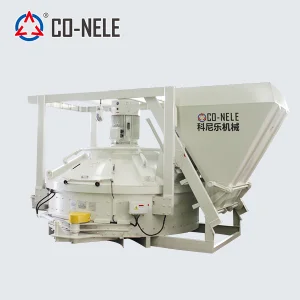
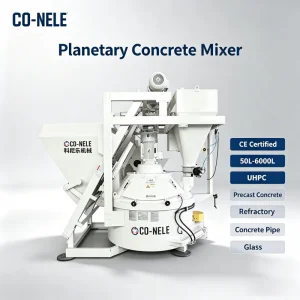
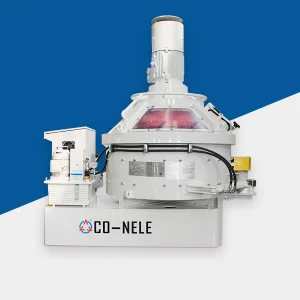
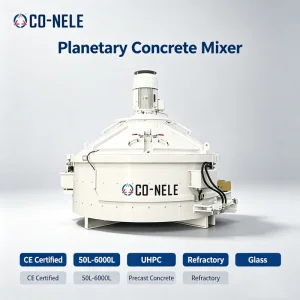
When configured for precast concrete factories, the JS2000 compulsory twin-shaft mixer is swapped or paired with a vertical-shaft planetary counter-current mixer (CMP series). This guarantees zero balling of fine particles, uniform pigment dispersion for architectural precast, and precise casting via flying bucket distribution systems.
Mega-dam structures demand continuous mass pours of zero-slump, heavy-aggregate concrete (aggregate size up to 80-120mm). The HZS120 dam variant incorporates extra-thick chilled wear-resistant lining plates, reinforced mixing blades, and heavy-duty bucket elevators for reliable round-the-clock operations.
A structured evaluation guide for procurement directors, EPC contractors, and plant managers inspecting Chinese batching machinery suppliers.
Prior to shipment, international procurement mandates rigorous FAT protocols. The manufacturer must execute full dry-run electrical sequences, test load cells with certified calibration weights, conduct ultrasonic weld defect tests on silos, and verify SCADA system fault-handling routines.
Upon field erection, SAT compliance requires full-capacity wet-mix batch testing. Performance standards demand continuous 8-hour uninterrupted output testing, verification of weighing tolerances under dynamic conditions, and noise/environmental dust compliance checks.
Leading Chinese exporters commit to a strict Service Level Agreement (SLA). Wear parts (mixing blades, liners, shaft seals) must share universal standardized part numbers, with guaranteed dispatch from regional spare-part hubs within 24 to 48 hours to minimize plant downtime.
Adapting machinery for regional electrical codes, extreme environments, and international safety certifications.
Control cabinets are wired according to IEC 60204-1 and CE/UL specifications. Components feature IP65/IP67 weatherproofing, dual-channel emergency stop safety loops, and multi-voltage transformers (e.g., 220V 3-phase 60Hz for South America; 415V 50Hz for Australia/UK; 480V for USA).
For sub-zero Siberian or North American operations, the plant features insulated sandwich-panel enclosures, steam heating jackets for aggregate bins, and thermal fluid silo heating. For Middle Eastern desert environments, plants incorporate dust-filtered positive pressure control rooms and high-capacity air-chilling systems.
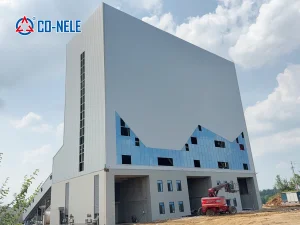
Meeting European EN 1992 and stringent urban environmental requirements, the HZS120 tower is fully enclosed with dust filters on cement hoppers and aggregate discharge chutes. Pulse-jet cartridge filters capture 99.9% of airborne particulates down to 1 micron, maintaining working environments below 10 mg/m³ dust concentration.
Emerging innovations redefining high-volume concrete manufacturing over the next decade.
Next-generation HZS120 systems integrate machine learning models that analyze motor current torque fluctuations in real-time during the mixing cycle. By correlating motor amperage curves with concrete rheology, the control system automatically computes real-time slump adjustments, auto-injecting micro-doses of water or superplasticizer before discharge.
As the construction industry transitions toward net-zero emissions, future HZS120 models incorporate dedicated dosing channels for CO2 mineral injection systems (direct mineralization into fresh wet concrete). Advanced powder dosing lines accommodate high-substitution green binders including calcined clay, geopolymers, and ground granulated blast-furnace slag (GGBS).
IoT vibration and temperature sensors installed on the main twin-shaft gearbox bearings, pneumatic solenoids, and belt drives transmit high-frequency diagnostic data to cloud platforms. AI analytics flag wear patterns weeks in advance, generating automated component re-orders before mechanical failure occurs.
The structural evolution of the HZS120 shifts heavily toward containerized, bolt-together steel structures. Eliminating heavy concrete foundation pits via heavy-duty steel base pads reduces site installation times from 30 days down to 7 days, allowing easy relocation between major infrastructure contracts.
Direct technical clarification provided by senior concrete batching engineers.
While the nominal capacity of an HZS120 plant is 120 m³/h (based on a 60-second batch cycle producing 2.0 m³ per batch), real-world operational output depends on truck positioning logistics, recipe mixing time specifications, and discharge delays. In standard ready-mix commercial operations with a 30-second mixing cycle and rapid truck swapping, realistic hourly output ranges between 95 m³/h and 110 m³/h. If producing high-spec structural concrete requiring extended mixing times, output typically stabilizes around 80–90 m³/h.
An HZS120 plant strictly requires an inclined belt conveyor feeding system. Skip hoist systems (typically used on HZS25 to HZS75 models) are mechanically limited by wire rope speeds and hoist motor thermal limits, restricting cycle times. The inclined belt conveyor provides continuous, smooth aggregate transportation capable of sustaining the high aggregate throughput (approx. 200+ tons/hour) needed to keep the JS2000 mixer running without starvation.
Under standard aggregate abrasion conditions (using limestone and crushed sand), premium high-chromium alloy wear liners (KMTCr26) and mixing blades achieve a service life of 60,000 to 90,000 batches (approx. 120,000 to 180,000 m³ of concrete). However, if mixing highly abrasive quartzite aggregate, granite, or harsh dry-cast formulations, wear life may decrease to 35,000–50,000 batches. All wear components are bolt-on and easily replaceable in sections.
The buyer must prepare reinforced concrete foundation pads according to the manufacturer's engineering civil drawings. The foundation must accommodate load pressures of approximately 250 to 300 kPa under the main mixer tower, aggregate bin structures, and cement silo legs. Specialized foundationless steel framework options are available for temporary sites, which use large surface area steel foundation plates placed directly on compacted subgrade (bearing capacity > 150 kPa).
Yes. Modern Chinese HZS120 SCADA systems are built on open industrial PLC architectures (such as Siemens S7-1200/1500) supporting standard Ethernet/IP, Modbus TCP, and OPC UA protocols. This enables direct, real-time data integration with commercial ERP platforms (such as SAP, Command Alkon, or custom dispatch software) for automated order processing, inventory tracking, and batch ticket generation.
Browse our expanded line of advanced mixing stations, mobile plants, battery slurry mixers, and laboratory equipment.