CO-NELEMixing & Granulation
Precision-engineered mixing solutions deployed in high-capacity asphalt plants, precast concrete facilities, and heavy infrastructure projects worldwide.
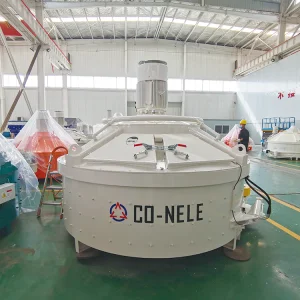
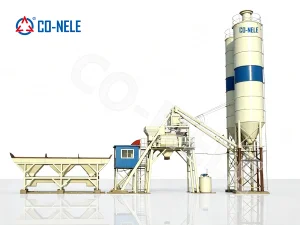
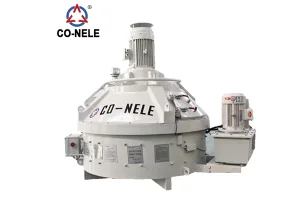
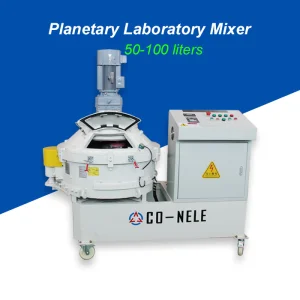
Analyzing the paradigm shift in asphalt pavement batching: climate-resilient road surfaces, zero-emission Warm Mix Asphalt (WMA), and heavy RAP integration.
The global road infrastructure landscape is undergoing a massive transformation driven by strict carbon reduction mandates, escalating energy costs, and the widespread adoption of high-performance pavement recipes. Modern paving specifications—such as Stone Matrix Asphalt (SMA), Polymer-Modified Bitumen (PMB) mixes, and high-percentage Reclaimed Asphalt Pavement (RAP)—demand mixing technology far superior to legacy single-shaft or drum-mixer configurations. At the core of this industrial evolution stands the Twin Shaft Asphalt Mixer.
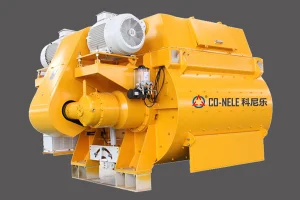
Unlike continuous drum plants that rely on simple gravity cascading, forced-action horizontal twin-shaft batch mixers utilize synchronized counter-rotating dual shafts outfitted with overlapping paddle arms. This mechanical design generates a three-dimensional fluidized turbulent mixing zone. Within this zone, aggregate particles, mineral fillers, liquid bitumen, and additives (such as SBS polymers, rubber crumbs, or cellulose fibers) are forcefully intermingled within seconds, creating a homogeneous film thickness across all aggregate size fractions.
Global environmental directives mandate higher inclusion rates of Reclaimed Asphalt Pavement (RAP). Twin shaft batch mixers easily accommodate cold or hot RAP feeds up to 60% without causing thermal shock or bitumen oxidation, maintaining formula integrity.
By operating at lower temperatures (reducing thermal output by 20–40°C), WMA decreases carbon footprint and fuel usage. Twin shaft mixers ensure thorough chemical additive dispersion and complete aggregate coating under lower viscosity conditions.
High-viscosity polymer binders require intense mechanical shear forces to break up bitumen clusters and coat microscopic fine aggregates evenly, preventing future pavement rutting, cracking, and water stripping.
Modern mega-projects demand maximum hourly throughput. Twin shaft mixers complete full batch mixing cycles (aggregate dry mix, bitumen injection, wet shear, and rapid discharge) in as little as 35 to 45 seconds.
Uncovering what EPC contractors, asphalt plant manufacturers, and procurement directors evaluate during high-capital machinery sourcing.
Through deep search intent analysis across major global infrastructure procurement markets (including North America, the EU, the Middle East, Southeast Asia, and Latin America), buyer queries cluster into five distinct intent nodes. Understanding these requirements enables CO-NELE to engineer mixers that address exact real-world pain points.
Buyers prioritize low power consumption per ton, minimal bitumen waste due to dead zones, and prolonged wear-plate lifespan. Procurement decision-makers look beyond initial purchase price to evaluate long-term maintenance costs over a 10-year operational life.
High aggregate friction rapidly degrades inferior mixer liners. Buyers demand high-chrome alloy liners (e.g., Ni-Hard or Chrome Carbide with >62 HRC hardness), drop-forged mixer arms, and replaceable bolt-on paddles that minimize factory downtime.
Bottlenecks during batch discharge reduce overall asphalt plant capacity. Enterprise intent searches for rotary or sliding hydraulic discharge gates with anti-blocking geometric seals that prevent sticky bitumen residue buildup.
A granular breakdown of drive synchronicity, thermal retention jackets, sealing systems, and fluid-dynamics paddle arrangements.
The core drive train consists of twin heavy-duty electric motors coupled to a fully enclosed oil-bath helical synchronizing gearbox. This configuration ensures that both horizontal shafts rotate in precise counter-opposite directions at optimal RPM. The synchronicity prevents blade collision while maximizing kinetic energy transfer to the asphalt recipe.
Bitumen liquid coupled with fine stone dust creates an extremely abrasive slurry that can destroy conventional shaft bearings. CO-NELE integrates a proprietary multi-layer sealing architecture: dynamic labyrinth seals, mechanical face seals, auto-grease flushing channels, and outboard floating bearing pedestals. This keeps bearing units physically separated from the mixing chamber.
To prevent asphalt temperature drop during batching (which causes bitumen stiffening and incomplete coating), the mixer trough features an integrated thermal fluid heating jacket wrapped in high-density rock wool insulation and wrapped in stainless steel cladding. This guarantees stable temperature maintenance even during extreme ambient cold operations.
Comparative technical analysis showcasing engineering superiority in batch timing, wear life, energy efficiency, and RAP capabilities.
| Performance Metric | Standard Market Asphalt Mixers | CO-NELE Heavy-Duty AMS Series | Technical Advantage / Information Gain |
|---|---|---|---|
| Mixing Kinematics | Single-shaft or basic dual-shaft static paddle | 3D Counter-rotating forced fluidized mixing | 100% elimination of unmixed dead zones at trough ends. |
| Bitumen Film Uniformity | Variance of ± 8.5% across batch | Variance < ± 1.2% (CV < 2%) | Prevents rutting & bleeding on heavy traffic highway surfaces. |
| Batch Cycle Duration | 55 – 70 Seconds | 35 – 45 Seconds | Increases overall plant output capacity by up to 25–30%. |
| Max RAP Inclusion Rate | 15% – 20% max capacity | Up to 60% (Cold / Hot RAP combined) | Reduces raw aggregate & virgin bitumen procurement costs. |
| Liner Plate Wear Rating | Standard Cast Iron (200-300 BHN) | High-Chrome Alloy Steel (>62 HRC / 650 BHN) | Extends operational lifespan up to 150,000+ batch cycles. |
| Shaft Seal Architecture | Basic packing gland seal | Triple labyrinth + Auto-pressure grease seal | Eliminates bitumen slurry ingress into main drive bearings. |
| Thermal Conservation | Uninsulated or single-plate shell | Dual-jacket thermal oil heated + Rockwool cladding | Prevents batch cooling during cold weather and standby periods. |
Strict international standards compliance, electrical certification, and seamless global logistics support for turnkey peace of mind.
Fully compliant with European Union Machinery Directive 2006/42/EC, EN 536 safety standards for asphalt mixing equipment, ISO9001 quality management, and ISO14001 environmental management protocols.
Motors, PLCs, and control panels customized to local electrical grids (220V, 380V, 415V, 440V, 480V at 50Hz or 60Hz), utilizing globally recognizable Siemens, Schneider, or ABB components.
Standardized wear parts (blades, liners, arms, seals) stored across international logistics hubs. Quick dispatch ensures replacement components reach jobsites within 48 to 72 hours.
Pioneering the next decade of intelligent, zero-emissions, and self-diagnosing industrial mixing systems.
As the construction equipment industry accelerates toward digital transformation and net-zero targets, CO-NELE's R&D team is implementing a strategic technology roadmap focused on three key innovations:
Integrating real-time optical and microwave sensors directly inside the mixing trough. AI algorithms continuously measure aggregate moisture and bitumen coating viscosity during the batch, automatically adjusting torque and mixing time for optimal results.
Transitioning auxiliary heating elements to direct zero-emission hydrogen thermal loops and ultra-high-efficiency IE5 permanent magnet synchronous motors (PMSM), reducing power consumption by up to 18%.
Embedded acoustic and vibration telemetry sensors monitor bearing wear, gear tooth stress, and liner plate thickness. The system alerts plant operators to maintenance needs before unexpected downtime occurs.
Detailed technical guidance compiled by CO-NELE application engineers to solve complex asphalt batching challenges.
Answer: Forced-action twin shaft batch mixers offer precise control over every individual batch component (aggregates, bitumen, mineral filler, and RAP) weighed by precise load cells prior to mixing. Unlike drum mixers, where aggregate flow rate can fluctuate due to moisture variations, a twin shaft batch mixer enforces a guaranteed mechanical residence time (e.g., 35-45 seconds) under intense 3D shear force. This guarantees complete, uniform bitumen coating (CV < 2%) and allows exact formula changes between consecutive trucks without plant downtime.
Answer: CO-NELE twin shaft mixers feature optimized mixing sequences and specialized RAP injection geometries. Virgin aggregates are superheated prior to entering the mixing trough; cold or pre-conditioned RAP is added simultaneously with virgin aggregate. The intense forced kinetic mixing immediately transfers heat from virgin aggregates to the RAP particles within 5 to 10 seconds, melting the aged bitumen without exposing it to open burner flames. This prevents bitumen oxidation, preserves binder elasticity, and allows inclusion rates of up to 60% RAP.
Answer: CO-NELE utilizes high-chromium Ni-Hard alloy castings with a surface hardness exceeding 62 HRC (Brinell hardness ~650 HB) for all liner plates and mixer tips. The paddle arms are engineered from high-tensile drop-forged alloy steel designed to resist bending stresses caused by large aggregate impacts (e.g., up to 60mm ballast stone). The bolt-on, segmented design allows maintenance teams to replace only highly worn edge liners rather than the entire trough shell, significantly reducing wear-part costs.
Answer: The two parallel mixer shafts are mechanically synchronized through heavy-duty precision ground helical timing gears running in a continuous oil bath. The paddle arms are arranged in a dynamic spiral pattern at specific offset angles (typically 45° or 90° increments). As the shafts rotate inward toward the center, the paddles intermesh with millimeter-precision clearance, creating an upward fluidized vortex. This forces aggregates to mix in suspension rather than crushing them against the bottom plate.
Answer: The shaft end seals require automatic or manual high-pressure grease replenishment once per shift (or via an optional automated PLC-controlled grease pump). The grease creates a dynamic barrier inside the multi-stage labyrinth seal, continually purging fine stone dust and asphalt binders outward. Standard maintenance involves inspecting grease pressure gauges weekly and replacing external V-ring backup seals during annual major overhauls (typically after every 100,000 to 150,000 batches).
Answer: Yes. CO-NELE provides custom engineering retrofits for existing batch plant towers (including European, American, and Asian structural layouts). Our engineering team takes 3D laser scans of your tower's mixing floor, hot aggregate weigh hopper outlet, bitumen spray bar, and discharge chute. We then design custom mounting frames, transition hoppers, and control system interfaces to replace outdated pan or single-shaft mixers without modifying your main tower structural steel.
Explore our extensive line of planetary mixers, intensive granulators, and turnkey batching plants engineered for long-term reliability.