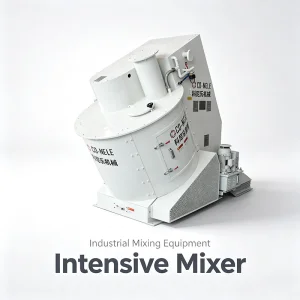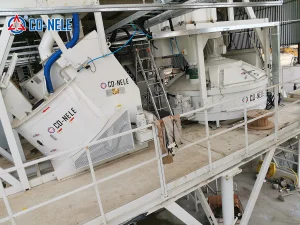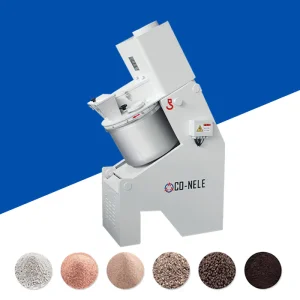
CO-NELEMixing & Granulation
Engineered for extreme material homogeneity, robust duty cycles, and field-proven reliability.
In modern heavy civil engineering, infrastructure development, and advanced material synthesis, the operational performance of concrete mixing equipment directly determines the microstructural density, compressive strength, and durability of the finished composite. Buyers searching for a China Sicoma Mixer Manufacturer & Factory are not merely seeking a machinery vendor; they are searching for high-torque compulsory mixing solutions, rigorous engineering tolerances, shaft-end seal durability, and cost-effective total cost of ownership (TCO).
Historically pioneered by European manufacturers such as Sicoma, the twin-shaft compulsory mixing architecture—characterized by counter-rotating dual shafts with synchronized spiral mixing arms—has become the global benchmark for ready-mix concrete (RMC), precast concrete elements, dam construction, and high-speed rail sleepers. China's industrial manufacturing infrastructure, epitomized by leading hubs like Qingdao, Shandong, has evolved from basic component assembly to original gear-reduction R&D, advanced metallurgy casting (Ni-Hard and High-Chromium alloys), and intelligent automation.
Deconstructing forced turbulence, shearing vectors, and hydraulic sealing mechanisms.
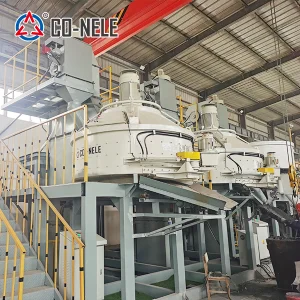
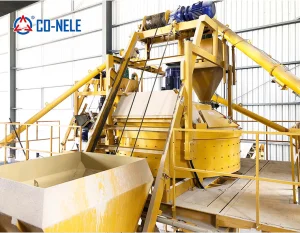
Unlike gravitational tilting drum mixers, a twin-shaft compulsory mixer forces materials into complex 3D helical motion paths. Dual horizontal shafts rotate synchronously in opposite directions at ~24-32 RPM. Mixing arms arranged at a 60° spiral angle generate high turbulence across the overlap zone, achieving macro and micro homogeneity within 30 to 45 seconds.
The central failure point in twin-shaft mixers is slurry ingress into the main drive bearings. Modern Chinese manufacturing integrates floating V-ring seals, labyrinth steel rings, special wear-resistant rubber rings, and continuous automated hydraulic grease pump lubrication. Operating at continuous pressures over 1.5 MPa, slurry is actively prevented from breaching bearing housings.
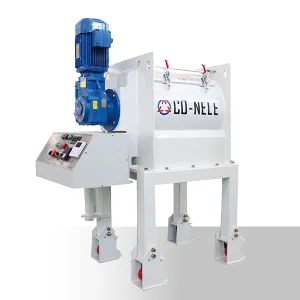
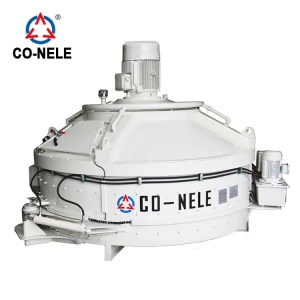
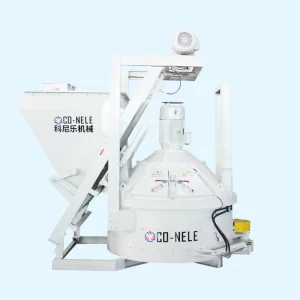
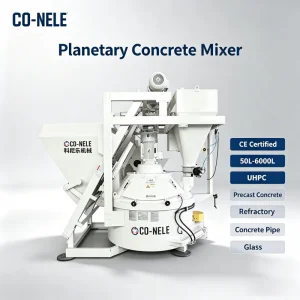
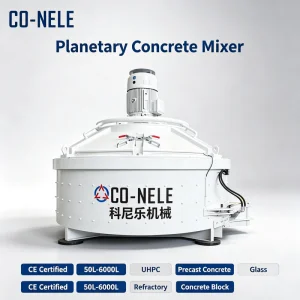
For specialized applications such as Ultra-High Performance Concrete (UHPC) and refractory castables, planetary counter-current mixers (like the CMP series) complement twin-shaft designs. The planetary star arms revolve around a central axis while rotating at high speeds on their own axes, ensuring zero blind spots and complete dispersion of micro-silica and steel fibers.
| Technical Parameter | Twin-Shaft Compulsory Mixer (MAO / CHS) | Planetary Counter-Current Mixer (CMP) | Traditional Single Shaft / Drum |
|---|---|---|---|
| Mixing Homogeneity (CV) | < 5% (Within 30-45s) | < 3% (Within 60-90s) | > 12% (Requires 120s+) |
| Target Application | Ready-Mix Concrete, Commercial Batching, Infrastructure | UHPC, Precast Blocks, Refractories, Glass Batch | Low-grade structural concrete, mortar |
| Aggregate Size Handling | Up to 150 mm (Large dam concrete) | Up to 40 mm fine aggregates | Up to 80 mm |
| Discharge Speed | Ultra-Fast Hydraulic Door (5-10s) | Pneumatic / Hydraulic Sector Door (8-15s) | Slow manual or gravity tilt |
| Shaft Seal Technology | 5-Stage Labyrinth + Automated Grease Injection | Top-mounted drive (No submerged slurry seals) | Basic mechanical gland packing |
How vertical integration, precision casting, and scaled manufacturing deliver unequaled TCO advantages.
Global buyers evaluating a China Sicoma Mixer Manufacturer & Factory benefit directly from the dense industrial clustering in Shandong Province. By integrating planetary gearbox machining, heavy plate laser cutting, robotic seam welding, and sand-casting foundries within a 50-kilometer radius, Chinese manufacturers like CO-NELE deliver heavy industrial equipment with unmatched supply chain speed and cost efficiency.
Mixing paddles, scraper blades, and drum liner plates are cast using high-chromium alloy (Cr15Mo3 / Cr26) treated through vacuum quench-hardening. Reaching 60-65 HRC, these components resist severe abrasion from basalt, granite, and quartz aggregates, extending continuous operation life beyond 150,000 production cycles.
Rather than relying on outsourced commercial speed reducers, top-tier Chinese manufacturers engineer custom planetary and helical speed reducers with hardened gear flanks (AGMA Class 12 precision). This ensures high shock load absorption during emergency full-load startups.
Every single batching mixer unit undergoes a 4-hour continuous dry-run test followed by full hydraulic system pressure verification (up to 210 bar). Infrared thermal imaging validates bearing housing heat dissipation, while vibration analysis guarantees zero harmonic resonance.
Capital expenditure for a high-spec Chinese compulsory twin-shaft or planetary mixer is typically 40% to 60% lower than European equivalents, with complete spare parts availability guaranteed for 15+ years post-commissioning.
Smart sensors, rheological telemetry, dynamic torque adjustment, and green concrete optimization.
Next-generation twin-shaft and planetary mixers feature real-time microwave moisture probes embedded in the mixing liner floor. These sensors measure free water content 25 times per second, feeding data directly to the PLC to adjust water dosage on-the-fly to achieve target slump within ±5mm.
By utilizing Variable Frequency Drives (VFDs) linked to main motor torque telemetry, modern mixing plants measure concrete workability dynamically. As cement hydration progresses, rotational speeds are automatically adjusted to minimize power consumption while ensuring complete fiber dispersion in UHPC formulations.
As the construction sector shifts toward alkali-activated geopolymers, high-volume fly ash (HVFA), and slag-heavy formulations, higher shear forces are required to trigger binder gelation. Advanced Chinese mixing technology provides customizable paddle attack angles to handle high-thixotropy green concrete mixtures efficiently.
Field-tested performance from ultra-high-strength bridges to abrasive chemical processing.
Massive concrete pours for bridges, tunnels, and hydroelectric dams require continuous batching outputs exceeding 180 m³/h. High-capacity twin-shaft mixers (up to 6.0 m³ per batch discharge) handle coarse aggregates up to 150mm without jamming or shaft deflection.
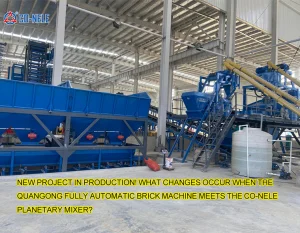
Architectural precast units, road bricks, and hollow core slabs demand strict pigment distribution and dry-cast zero-slump consistency. Planetary mixers ensure batch-to-batch color uniformness without streaks or density variances.
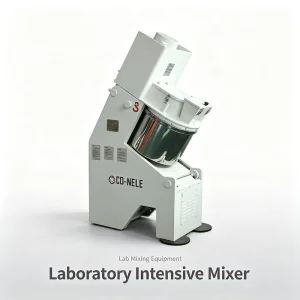
Refractory brick manufacturers in steel mills and glass furnaces process harsh matrix formulations containing corundum, silicon carbide, and graphite. High-intensive mixers deliver rapid wetting of ultra-fine binders with minimal tool wear.
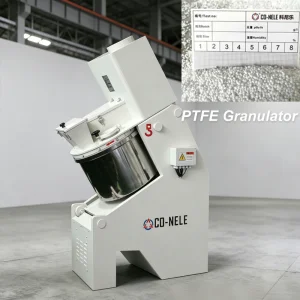
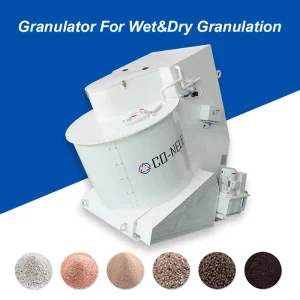
Specialized intensive mixer granulators perform wet-granulation for ceramics, PTFE granules, battery materials, and fertilizers, yielding high-density spherical granules with 90%+ target mesh yield.
Seamless international deployment, safety certification, and lifelong engineering assistance.
Export units are engineered to comply with strict international standards, including European CE directives (Machinery Directive 2006/42/EC), UL/CSA motor and panel specifications for North America, and ATEX flame-proof standards for dry powder chemical environments.
Factory custom power systems support regional electrical grids worldwide: 220V/380V/415V/440V/480V at 50Hz or 60Hz. Controls feature multi-language Siemens PLC interfaces with integrated remote troubleshooting telematics.
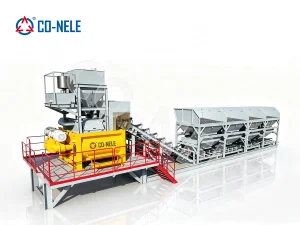
Mixer frames, batching plants, and silos are structurally engineered for flat-rack or standard open-top container shipping. Quick-disconnect wiring harnesses and bolt-together frames allow rapid field assembly within 3 to 7 days.
Explore specialized mixing solutions tailored to concrete, ceramic, castable, and dry mortar manufacturing.
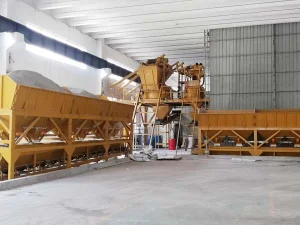
China Planetary mixer for concrete block bricks in Russia Manufacturer, Machine
View Product DetailsDirect technical answers from process engineers for procurement committees and plant engineers.