CO-NELEMixing & Granulation
Explore field-tested machinery engineered for high-homogeneity concrete, asphalt, refractory castables, and dry mortar applications.
Understanding the exact Capital Expenditure (CAPEX) and Operational Expenditure (OPEX) drivers when procuring mobile batching plants from tier-1 Chinese manufacturers.
Initial machinery costs range from $25,000 USD for basic 25 m³/h portable units to $280,000 USD for fully automated 120 m³/h mobile plants with integrated planetary mixers. Price varies dynamically based on chassis mobility (trailer-mounted vs. skid-mounted), batching accuracy sensors, and gearbox torque capacity.
China-manufactured mobile plants engineered by specialized leaders cut operational costs by up to 35% over a 5-year cycle. Highly optimized power transmission gearboxes reduce kilowatt consumption per cubic meter of concrete mixed from 1.8 kWh/m³ down to 1.1 kWh/m³.
With thick structural steel frames (Q355B structural grade) and standardized modular wear plates (Ni-Hard & High-Chrome Cr26), Chinese premium mobile batching units maintain a residual market value of 55-65% after 3 years of continuous field operation.
| Plant Capacity (Theoretical) | Core Mixer Architecture | Mobility Mechanism | Price Benchmark Range (FOB Qingdao) | Ideal Application Scenario |
|---|---|---|---|---|
| 25 - 35 m³/h | Twin Shaft / Single Shaft | Single-Trailer Towable Chassis | $25,000 - $45,000 USD | Remote roads, culverts, small civil foundation work. |
| 50 - 60 m³/h | Planetary Counter-Current / Twin Shaft | Modular Foundationless Quick-Move | $48,000 - $85,000 USD | Precast concrete elements, commercial ready-mix supply. |
| 75 - 90 m³/h | Heavy-Duty Compulsory Twin Shaft | Dual-Axle Heavy Duty Chassis | $90,000 - $155,000 USD | Highway paving, bridge decks, airport runway repair. |
| 120 - 150 m³/h | High-Shear Planetary / Twin Shaft | Multi-Module Integrated Semi-Trailer | $160,000 - $280,000 USD | Mega infrastructure projects, dam construction, UHPC grouting. |
How Chinese engineering innovations are solving historical trade-offs between physical portability and concrete batch homogeneity.
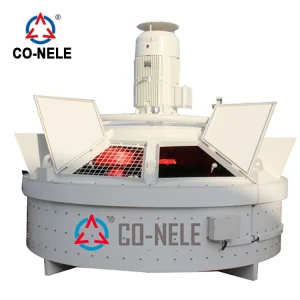
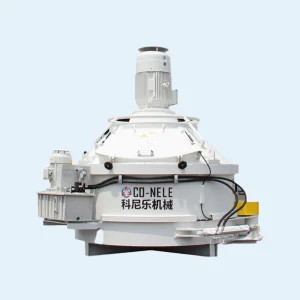
Traditional mobile batching plants relied on simple drum or single-shaft mixers, which failed on dry-cast or Ultra-High Performance Concrete (UHPC). Advanced mobile plants now integrate vertical-shaft planetary mixers. Mixing arms revolve synchronously around a central point, eliminating dead zones and achieving mix homogeneity within 30 to 45 seconds.
Next-generation mobile plants feature real-time moisture probing via microwave sensors embedded directly in aggregate bins and mixer floor plates. Integrated PLC algorithms automatically calculate water-cement ratio deviations and dynamically adjust water dosing on the fly.
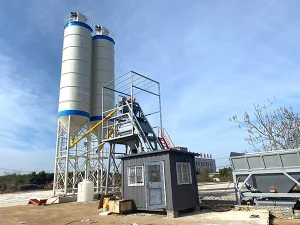
Modern engineering emphasizes minimizing installation downtime. Trailer-mounted mobile plants feature fold-out aggregate bins, hinged cement silos, and plug-and-play quick-connect electrical harnesses. A full batching plant can transition from road transit to operational concrete production in less than 24 hours.
Tailored mixing configurations designed for demanding global operating environments, from high-altitude railways to offshore marine structures.
For long-distance highway paving, railway viaducts, and remote pipelines, central batching plants create excessive haulage transit times, leading to premature slump loss and cold joints. Mobile plants relocate alongside construction progression, guaranteeing fresh batch delivery every shift.
Offshore turbine monopile foundations and port anti-scour structures demand specialized UHPC grouting mixes exceeding 150 MPa compressive strength. Mobile plants outfitted with specialized high-torque planetary mixing cores provide micro-homogeneous slurry directly at dockside ports.
Precast yards producing kerbstones, paving blocks, and concrete pipes require small-batch flexibility, rapid formula changeovers, and zero dry-pigment streak lines. Mobile batching setups with skip-hoist loading provide high daily output within narrow physical building footprints.
Inside the advanced manufacturing methodology that enables top Chinese OEMs to deliver European-grade mixing performance at competitive market price points.
Unlike secondary assemblers who buy generic commercial gearboxes, leading Chinese mixing machinery manufacturers design and machine heavy-duty planetary reducers in-house. Custom gear teeth hobbing and heat treatment ensure resistance to extreme dynamic shock loads.
Mixer pans and mobile trailer frames are fabricated using automated robotic welding stations and multi-axis CNC gantries. Perfect geometric alignment ensures that mixing blade clearances to floor and side liners remain under 2mm, preventing unmixed powder pockets.
Located in coastal industrial hubs like Qingdao, manufacturing facilities sit within miles of major deep-water ports. This spatial proximity drastically lowers domestic freight charges, protects completed machinery from transit degradation, and simplifies global shipping logistics.
A structured technical checklist for international EPC contractors, procurement directors, and plant managers.
Establish exact aggregate sizing (e.g., 0-5mm sand, 5-20mm crushed stone), binder types (OPC, fly ash, silica fume), and target slump. High-stiffness mixes require planetary forced-action pan mixers rather than conventional twin shaft units.
Theoretical rating assumes continuous ideal batch cycles. Always calculate realistic hourly output using the formula: Real Output = Rated Output × 0.70 to account for truck positioning, batching weigh times, and water charging delays.
Ensure key sub-systems use internationally serviceable components: Siemens PLC control units, Schneider low-voltage electrics, WAM dust filters/butterfly valves, and Toledo load cells for weigh hoppers.
Seamless integration into global jobsites with customized power design, regulatory certifications, and lifetime spare parts backup.
Control systems and drive motors are engineered to meet site-specific power grids globally: 220V, 380V, 415V, 440V, or 480V at 50Hz or 60Hz. Electrical cabinets feature IP55 dust/water protection with dual cooling systems for desert or humid tropical environments.
All structural steel, pressure vessels, and electrical wiring schematics comply with international safety standards including CE certification for Europe, UL compliance for North America, and ISO9001 quality management protocols.
Critical wear components (mixing blades, liner plates, scraper arms) maintain universal mounting designs. Emergency spare parts ship via express air courier within 24 hours of notification, supported by remote AR headset commissioning.
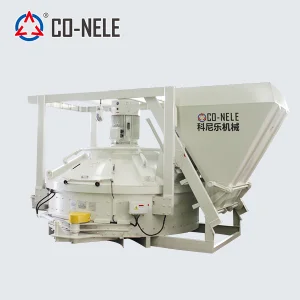
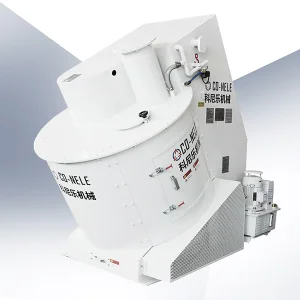
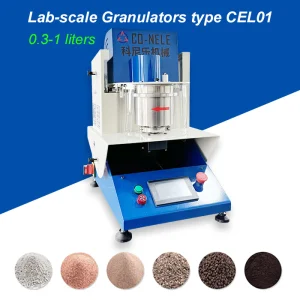
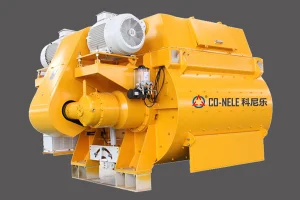
High-performance intensive mixers, laboratory testing units, and heavy compulsory twin shaft concrete plants.
Detailed engineering answers covering plant selection, maintenance protocols, wear part life, and international logistics.
The overall quotation is determined by four core engineering variables: 1) Mixer Architecture (vertical-shaft planetary counter-current mixers command a premium over basic twin shaft mixers due to complex gearboxes); 2) Degree of Mobility (fully towable trailer chassis with integrated kingpins vs. basic skid-mounted modules); 3) Brand of Automation Components (Siemens PLC, Schneider electrics, Toledo load cells vs. unbranded local alternatives); and 4) Ancillary Equipment (number of aggregate bins, cement silo capacity, and dust collection filtration units).
Select a vertical-shaft planetary mixer when your concrete recipe involves low water-cement ratios, high stiffness, dry-cast elements, pigments, or fiber reinforcement (e.g., UHPC, GFRC, refractory castables, paving blocks). Planetary motion eliminates dead zones and achieves mixing variation below 5%. Twin shaft mixers are more cost-effective for standard high-volume ready-mix concrete above 2 m³ per batch where cycle time speed is prioritized over microscopic dispersion.
Using standard high-chrome alloy wear parts (Cr26), mixing arms and floor liners achieve a operating lifecycle of 90,000 to 150,000 batch cycles on normal commercial concrete. For highly abrasive materials such as quartz aggregates, ceramic powders, or refractory castables, replacement occurs between 40,000 and 60,000 batches. All wear components feature standardized bolt-on designs for rapid field replacement.
Engineered with shipping dimensions in mind, compact mobile batching plants (25-50 m³/h) fit inside standard 40ft High Cube (40HQ) sea containers. Larger capacity units (75-120 m³/h) utilize semi-trailer chassis configurations that can be towed directly to port berths and shipped via Open Top (OT) containers or Flat Rack (FR) vessels.
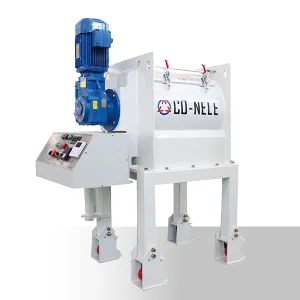
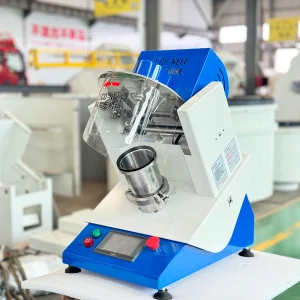
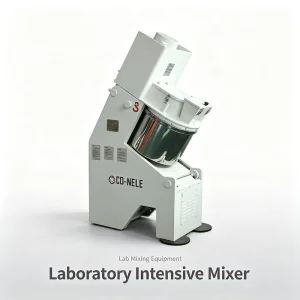
Yes. Leading tier-1 manufacturers maintain full R&D testing laboratories equipped with 5L to 75L laboratory-scale intensive mixers and granulators. Clients can ship 10-20kg raw material samples for empirical testing. Process engineers return complete laboratory test reports covering bulk density, mixing time window, particle sphericity, and recommended full-scale machine sizing.