
🎯 Core Values of the Alumina Granulator
-
✅
Dust control rate >99% - Improving the work environment and protecting employee health
-
✅
Pellet formation rate >95% - Significantly reducing return material and improving production efficiency
-
✅
50% increase in granule strength - Reducing transport breakage and increasing product value
-
✅
30% reduction in energy consumption - Advanced drive and control systems reduce operating costs
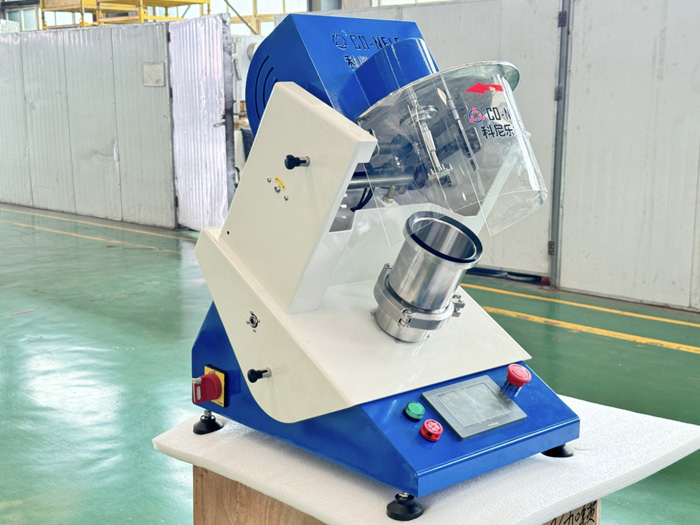
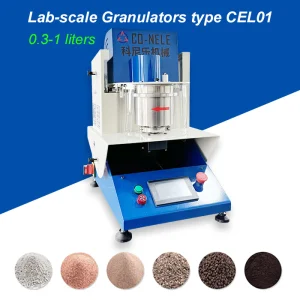
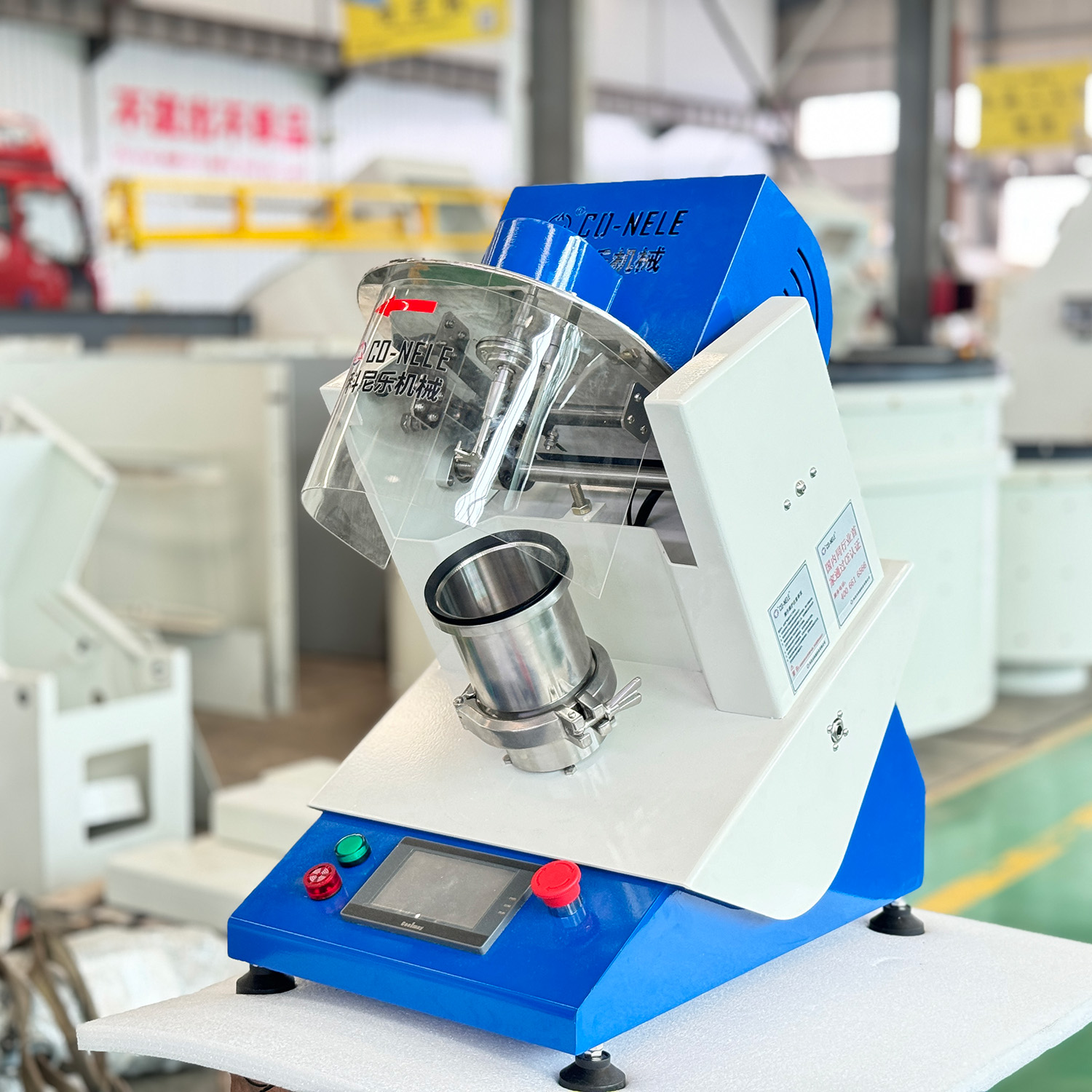
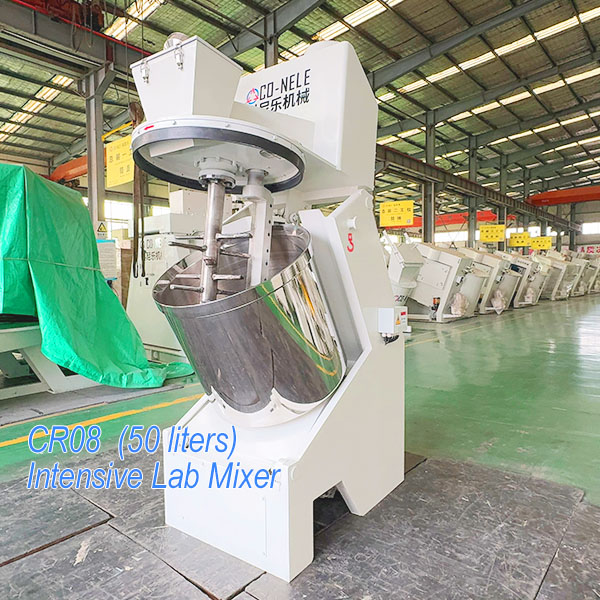
500ml ab small granulator
⚠️ Pain Points and Solutions
Are you troubled by these issues?
💨 Dust Hazard
Dust is generated during the handling and feeding of alumina powder, causing not only material loss but also serious harm to workers' respiratory health and posing explosion risks.
💧 Poor Flowability
Fine powders easily absorb moisture and clump, leading to poor feeding, impacting the stability of subsequent production processes and automated conveying.
📉 Low Product Value
Powdered products are inexpensive and prone to loss during long-distance transportation, making them less competitive in the market.
🌱 High Environmental Pressure
Increasingly stringent environmental regulations are placing higher demands on dust emissions and waste disposal at production sites.
📊 Granulator Technical Parameters
| Intensive Mixer |
Granulation/L |
Pelletizing disc |
Heating |
Discharging |
| CEL01 |
0.3-1 |
1 |
- |
Manual unloading |
| CEL05 |
2-5 |
1 |
- |
Manual unloading |
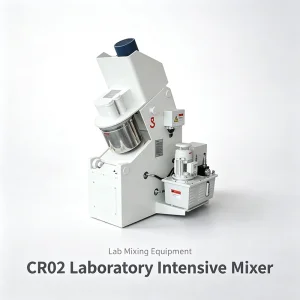
| CR02 |
2-5 |
1 |
- |
Cylinder flip discharge |
| CR04 |
5-10 |
1 |
- |
Cylinder flip discharge |
| CR05 |
12-25 |
1 |
- |
Cylinder flip discharge |
| CR08 |
25-50 |
1 |
- |
Cylinder flip discharge |
| CR09 |
50-100 |
1 |
- |
Hydraulic center discharge |
| CRV09 |
75-150 |
1 |
- |
Hydraulic center discharge |
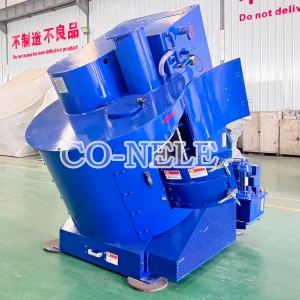
| CR11 |
135-250 |
1 |
- |
Hydraulic center discharge |
| CR15M |
175-350 |
1 |
- |
Hydraulic center discharge |
| CR15 |
250-500 |
1 |
- |
Hydraulic center discharge |
| CRV15 |
300-600 |
1 |
- |
Hydraulic center discharge |
| CRV19 |
375-750 |
1 |
- |
Hydraulic center discharge |
| CR20 |
625-1250 |
1 |
- |
Hydraulic center discharge |
| CR24 |
750-1500 |
1 |
- |
Hydraulic center discharge |
| CRV24 |
100-2000 |
1 |
- |
Hydraulic center discharge |
✨ Excellent finished granule quality — Our CO-NELE solution
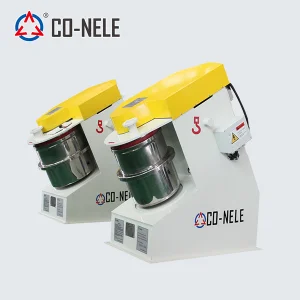
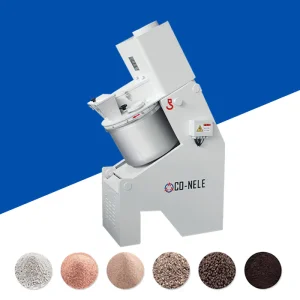
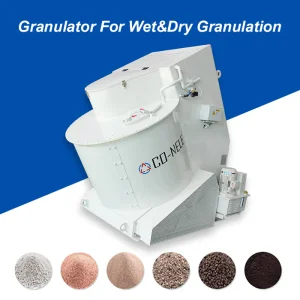
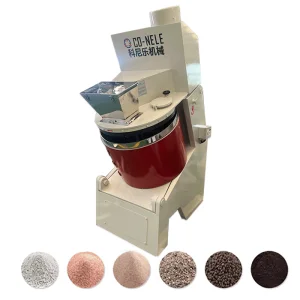
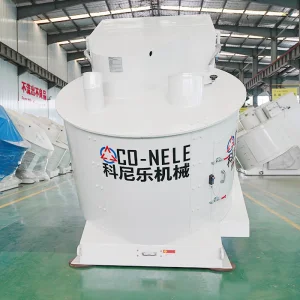
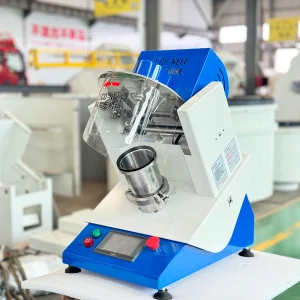
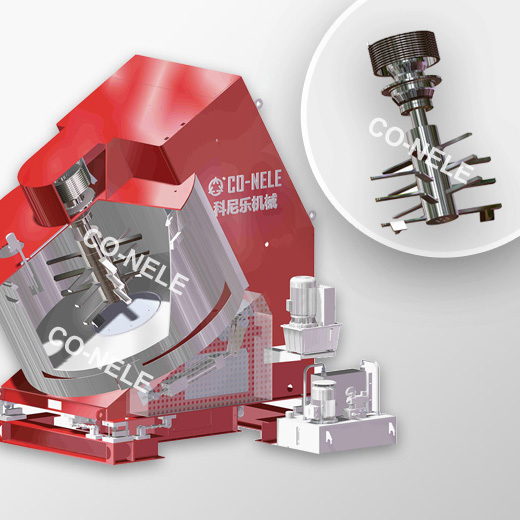
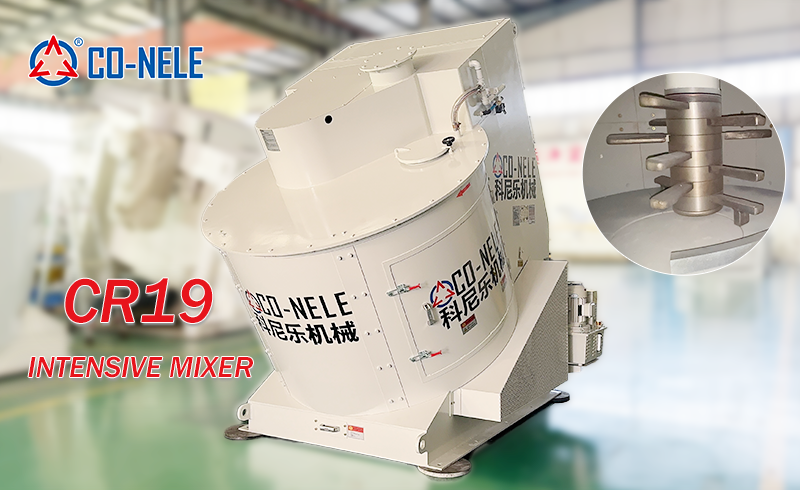
The Intensive Mixer, also known as the Alumina Power Granulator Machine, utilizes advanced three-dimensional countercurrent mixing and granulation technology. Through precise moisture control, kneading, and granulation, it transforms loose alumina powder into uniformly sized, high-strength, and highly flowable spherical granules. It's more than just production equipment; it's your ultimate weapon for achieving safety, environmental protection, cost reduction, and efficiency improvement.
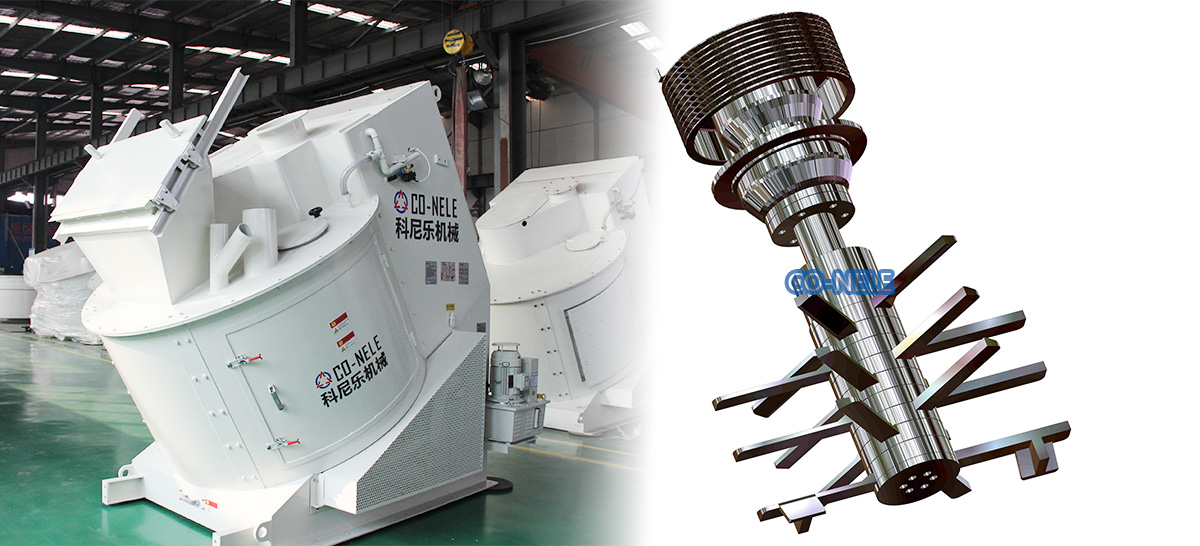
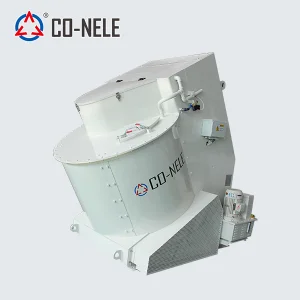
Granulator machine for alumina granulating
🚀 Alumina Granulator Core Advantages
1. Excellent Granulation
- High Sphericity: Granules are perfectly rounded and smooth, with customizable sizes within a certain range (e.g., 1mm - 8mm) to meet diverse customer needs.
- High Bulk Density: Compact granules significantly increase packing capacity, saving storage and transportation space.
- Excellent Strength: Granules offer high compressive strength, resisting breakage during packaging, storage, and long-distance transportation, maintaining their shape.
2. Advanced Dust Control Technology
- Enclosed Design: The entire granulation process takes place within a completely enclosed system, eliminating dust leakage at the source.
- Efficient Dust Collection Interface: A convenient interface with dust collection equipment is standard, allowing for easy integration with existing factory dust collection systems, achieving nearly 100% dust recovery.
3. Intelligent Automation Control
- PLC + Touch Screen: Centralized control system with one-touch start and stop, and simple and intuitive parameter settings.
- Adjustable Process Parameters: Key parameters such as adhesive dosage, machine speed, and inclination angle can be precisely controlled to accommodate varying raw material characteristics.
- Fault Self-Diagnosis: Real-time monitoring of equipment operating status provides automatic alarms and notifications for abnormalities, minimizing downtime.
🔄 Alumina Powder Granulation Process
A perfect transformation from powder to granules in 4 steps:
1Raw Material Supply
Alumina powder is evenly fed into the granulation machine via a screw feeder.
2Atomization & Liquid Dosing
A precisely controlled atomizing nozzle evenly sprays a binder onto the powder surface.
3Intensive Granulation
Within the pan, powder is kneaded and agglomerated under centrifugal force to form pellets.
4Finished Product Output
Granules meeting specifications are discharged for drying and screening.
🏭 Application Areas
Metallurgy: Granulation of alumina raw materials for electrolytic aluminum.
Ceramics: Pretreatment of raw materials for wear-resistant & electronic ceramics.
Chemical Catalysts: Preparation of alumina granules as catalyst carriers.
Refractory Materials: Raw materials for shaped and unshaped refractories.
Grinding & Polishing: Alumina microbeads used for grinding media.
⭐ Why Choose Us?
-
🔹
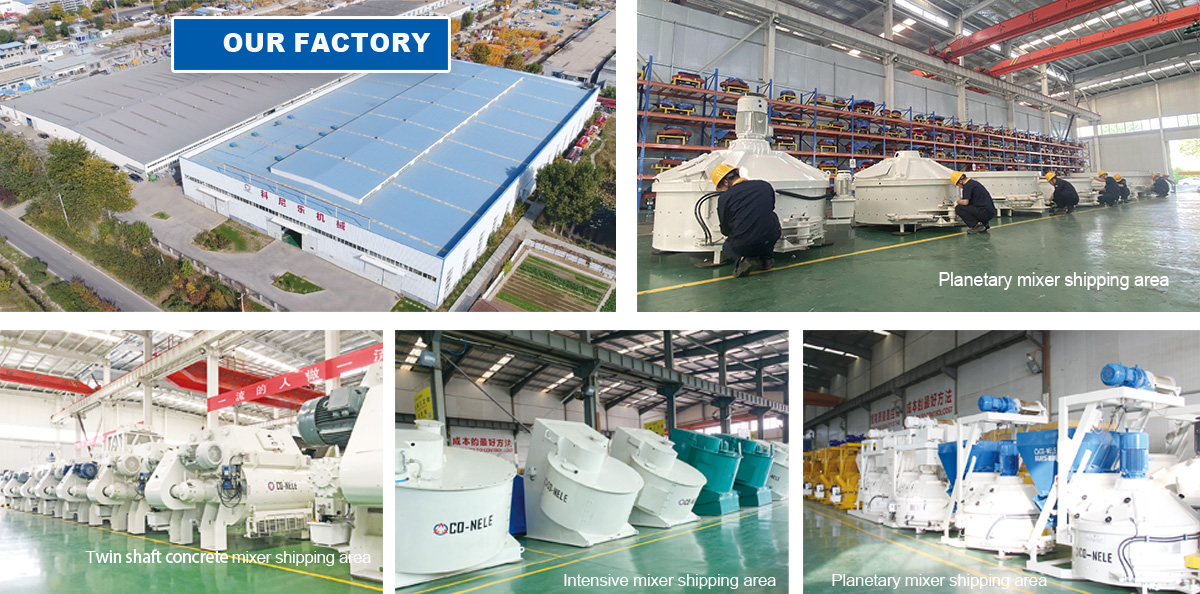
CO-NELE Machinery's 20 Years of Expertise: We specialize in the R&D, production, and manufacturing of intensive mixers and pelletizers, as well as comprehensive pelletizing solutions.
-
🔹
Full Technical Support: We provide one-stop service from design, installation, commissioning, to operator training.
-
🔹
Global Service Network: We have a comprehensive after-sales service system, providing rapid spare parts supply and technical support.
-
🔹
Successful Case Studies: Our equipment has been successfully used by many renowned alumina manufacturers worldwide, operating stably and receiving widespread acclaim.
❓ Frequently Asked Questions (FAQ)
Q1: What is the granule formation rate of the Alumina Power Granulator Machine?
Our granulator achieves a pellet formation rate of over 95%, significantly reducing raw material returns and maximizing efficiency.
Q2: How does the granulator control dust during production?
The machine features a fully enclosed design coupled with efficient dust collection interfaces, resulting in a dust control rate exceeding 99%.
Q3: Can the size of the alumina granules be adjusted?
Yes, process parameters such as binder dosage, machine speed, and inclination angle can be controlled via PLC to produce customized granule sizes ranging from 1mm to 8mm.
Q4: What capacity options are available for different production scales?
We offer models ranging from laboratory units (0.3–1L capacity) to large industrial scale granulators up to 2000L capacity to suit various batch sizes.
Q5: Which industries can benefit from this alumina granulation technology?
This equipment is widely used in metallurgy, advanced ceramics, chemical catalyst carrier manufacturing, refractory material production, and grinding media production.