
China Magnetic Material Granulator Factory, Machine

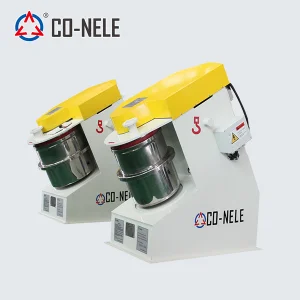
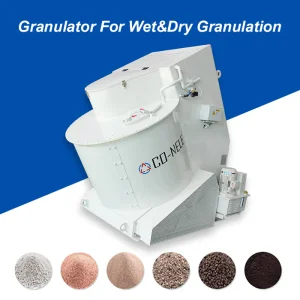
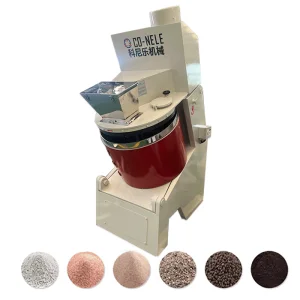
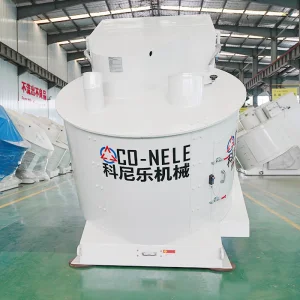
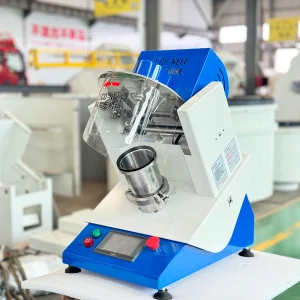
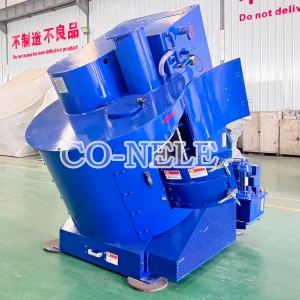
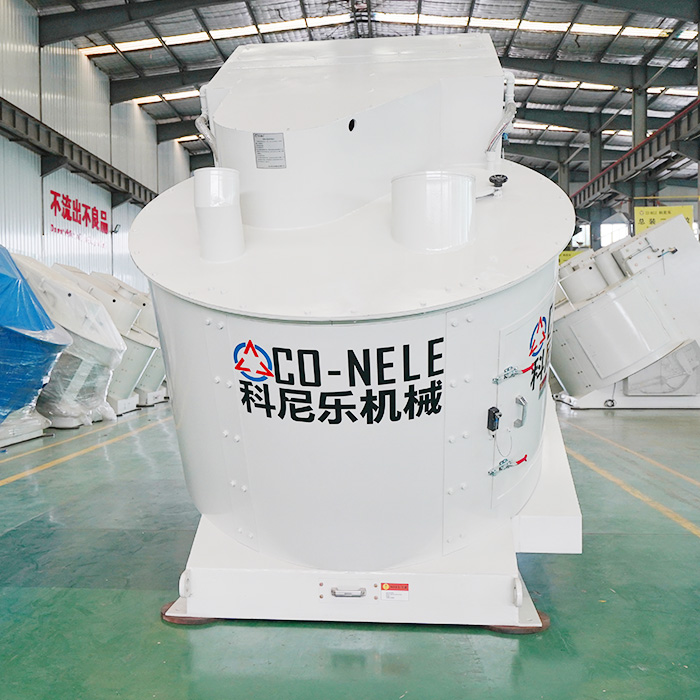
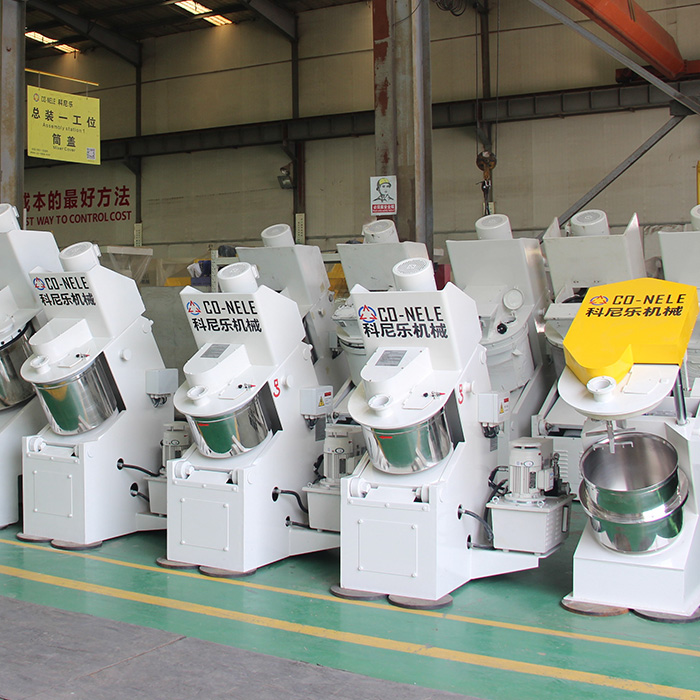
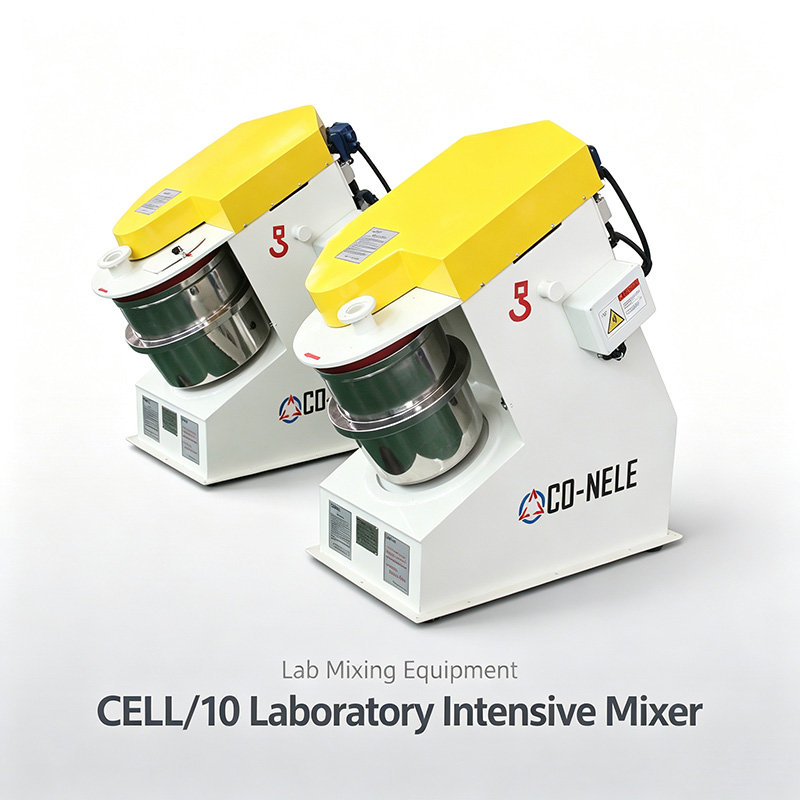
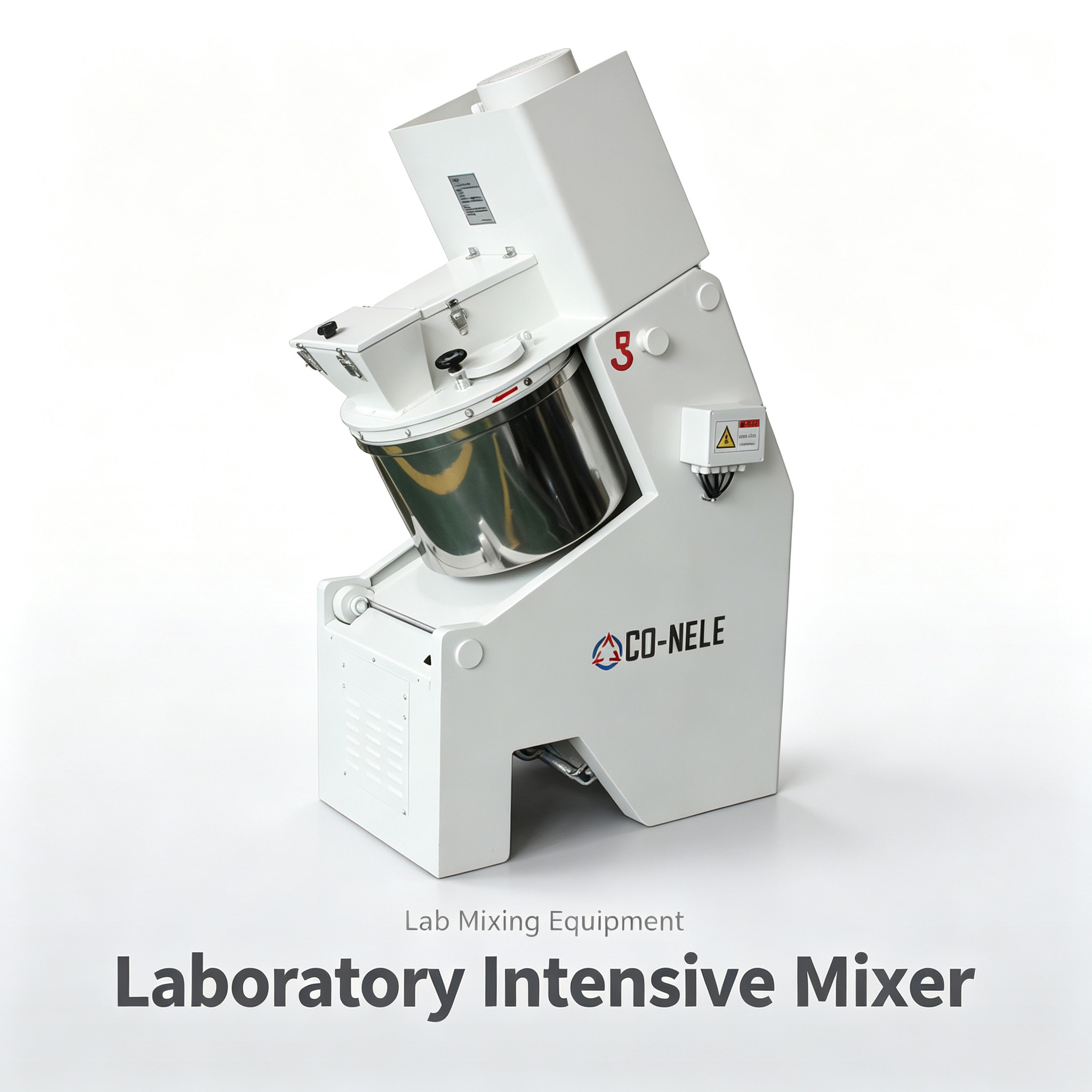
CONELE soft ferrite mixing granulator integrates high-precision mixing and efficient granulation. Its granulation process achieves the characteristics of high granulation rate, high and uniform particle density, good fluidity and high particle strength.

Product Description

Technological Evolution and Application Practice of Soft Ferrite Mixing and Granulating Machines

Soft ferrites (such as manganese-zinc and nickel-zinc ferrites) are core materials for electronic components, and their performance is highly dependent on the uniformity of raw material mixing and granulation. As a key piece of equipment in the manufacturing process, mixing and granulating machines have significantly improved the magnetic permeability, loss control, and temperature stability of soft magnetic materials through technological innovation in recent years.
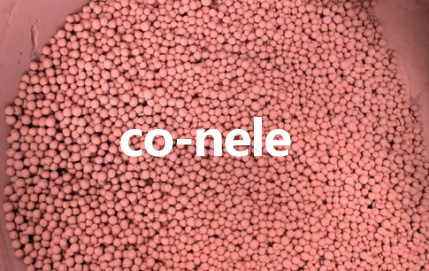

Soft Ferrite Mixing and Granulating
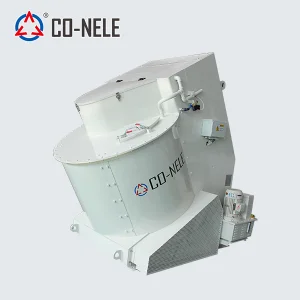
Magnetic Material Granulator

Soft Ferrite Granulating Machine Equipment

High Mixing Uniformity Requirements: Soft ferrites require a uniform blend of the main components (iron oxide, manganese, and zinc) with trace additives (such as SnO₂ and Co₃O₄). Failure to do so will result in uneven grain size after sintering and increased fluctuations in magnetic permeability.
The granulation process impacts final performance: The density, shape, and size distribution of the particles directly affect the molded density and sintering shrinkage. Traditional mechanical crushing methods are prone to dust generation, while extrusion granulation can damage the additive coating.
Soft Ferrite Mixing and Granulating Machine

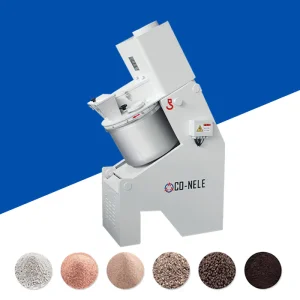
Principle of the Inclined High-intensive Mixing and Granulating Machine for Magnetic Materials

Working Principle
Utilizing an inclined cylinder and high-speed, three-dimensional impellers, this machine achieves integrated mixing and granulation through the synergy of centrifugal force and friction.

Advantages of using a granulator for magnetic material preparation:

Improved mixing uniformity: Multi-dimensional material flow, additive dispersion error <3%, and elimination of clumping.
High granulation efficiency: Single-pass processing time is reduced by 40%, and granule sphericity reaches 90%, improving subsequent compaction density.
Applications: Granulation of ferrite pre-sintered materials and binder mixing for rare earth permanent magnets (such as NdFeB).

Granulator Technical Parameters

Intensive Mixer Granulation/L Pelletizing disc Heating Discharging
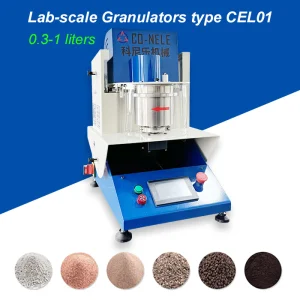
CEL01 0.3-1 1 - Manual unloading
CEL05 2-5 1 - Manual unloading
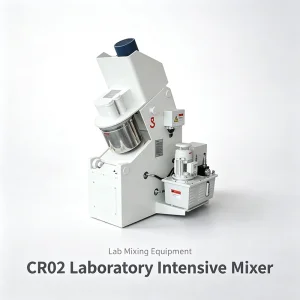
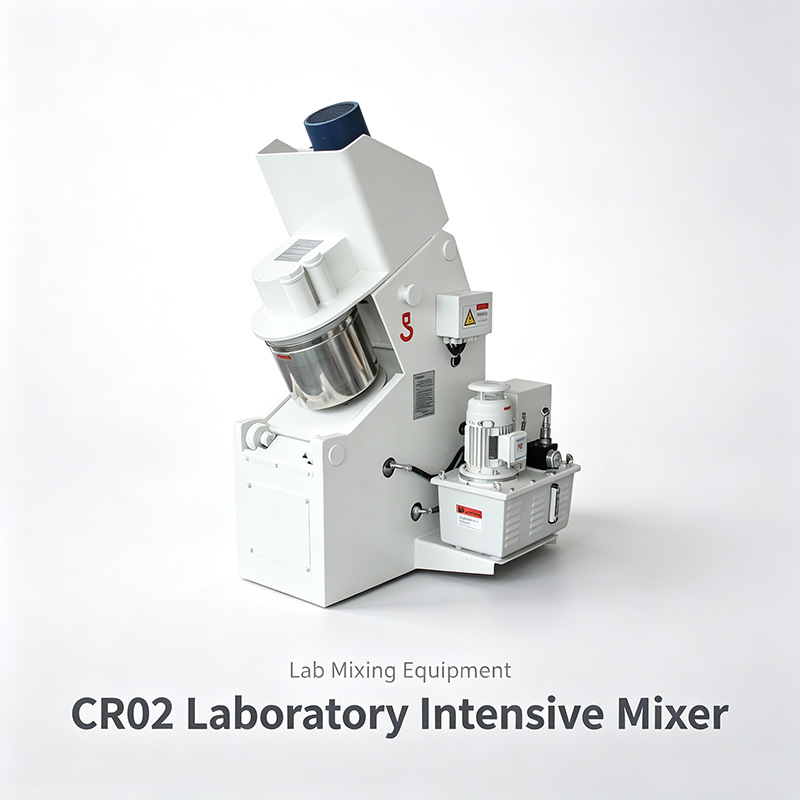
CR02 2-5 1 - Cylinder flip discharge
CR04 5-10 1 - Cylinder flip discharge
CR05 12-25 1 - Cylinder flip discharge
CR08 25-50 1 - Cylinder flip discharge
CR09 50-100 1 - Hydraulic center discharge
CRV09 75-150 1 - Hydraulic center discharge
CR11 135-250 1 - Hydraulic center discharge
CR15M 175-350 1 - Hydraulic center discharge
CR15 250-500 1 - Hydraulic center discharge
CRV15 300-600 1 - Hydraulic center discharge
CRV19 375-750 1 - Hydraulic center discharge
CR20 625-1250 1 - Hydraulic center discharge
CR24 750-1500 1 - Hydraulic center discharge
CRV24 100-2000 1 - Hydraulic center discharge

Frequently Asked Questions (FAQ)

What are the primary applications of soft ferrite mixing and granulating machines?
They are primarily used for preparing manganese-zinc and nickel-zinc ferrite raw powders, mixing trace additives with main constituents, granulating pre-sintered magnetic materials, and processing binder blends for permanent magnetic materials.
How does inclined high-intensive mixing improve material quality?
The inclined rotating mixing pan combined with high-speed impellers creates a 3D multi-dimensional material flow. This achieves additive dispersion accuracy with an error rate below 3%, eliminates agglomeration, and creates uniform granule sizes.
What batch capacities are available for these granulating machines?
Equipment capacities range from lab-scale models starting at 0.3–1 liters up to large industrial-scale units capable of processing 1000–2000 liters per batch.
Why is granule sphericity important for magnetic components?
High granule sphericity (reaching up to 90%) ensures excellent flowability and uniform mold filling. This leads to higher compacted density and minimal shrinkage variation during sintering.
How does single-pass processing benefit production lines?
By integrating high-efficiency mixing and granulating into a single operational cycle, single-pass processing reduces overall cycle time by up to 40% while preventing dust contamination and material loss.

Related Products