CO-NELEMixing & Granulation
Explore our core export-grade planetary, intensive, and mobile batching machinery engineered for high-spec concrete formulations.
An in-depth analysis of supply-chain integration, advanced metallurgical metallurgy, and cost-to-performance optimization.
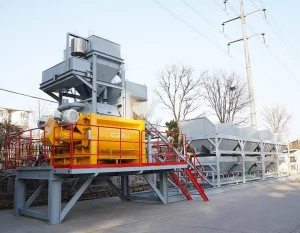
China's industrial machinery hubs—particularly within Qingdao and Shandong Province—benefit from complete vertical integration. Raw steel sourcing, precision casting, CNC gear machining, and sensor electronics are localized within a 50 km radius, drastically reducing manufacturing lead times and production overheads.
Modern Chinese batching OEMs no longer rely on external component assembly. Factories design and manufacture heavy-duty planetary reducers in-house, utilizing high-nickel alloy gears and hardened chrome liners rated at 58–62 HRC to endure abrasive aggregate shear forces over millions of mixing cycles.
Driven by massive domestic high-speed rail, dam, and megacity projects, Chinese concrete equipment manufacturers rapidly iterate hardware designs. Automated moisture compensation systems and dual-discharge gate hydraulics are battle-tested under continuous 24/7 operating schedules before international export.
How IoT integration, AI moisture sensors, and cloud analytics redefine concrete plant efficiency and sustainability.
Traditional concrete batching relies heavily on static aggregate moisture assumptions, leading to batch-to-batch water-cement ratio fluctuations. Advanced Chinese automatic plants incorporate microwave and high-frequency capacitive probes inside aggregate bins and mixer pans. These sensors sample aggregate moisture 50 times per second, transmitting real-time readings to a Siemens SCADA PLC.
The system dynamically adjusts added water volumes and aggregate mass targets within milliseconds before discharge, ensuring target slump tolerances and compressive strength specs (e.g., C60, C80, UHPC) remain ultra-consistent without human manual intervention.
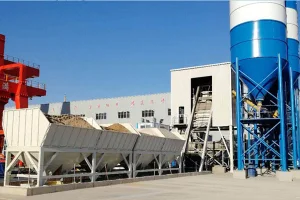
Modern global environmental mandates require concrete production facilities to achieve zero liquid waste and minimal carbon footprint. Next-generation automatic batching systems integrate closed-loop washwater recycling systems, filter presses, and aggregate reclaimers.
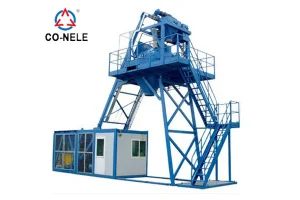
Contractors operating on leased sites or remote linear projects (highways, pipelines) demand rapid plant relocation. Modern mobile batching plants (25 m³/h – 90 m³/h) utilize pre-wired, trailer-mounted chassis structures. Steel foundations eliminate deep concrete footings, permitting full operational mechanical setup within 48 to 72 hours of site delivery.
Tailored mixing dynamics engineered for high-performance structural civil engineering, precast manufacturing, and advanced materials.
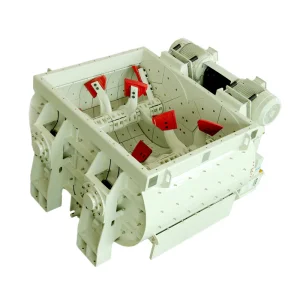
Requires high shear energy to disperse steel micro-fibers, silica fume, and nano-additives without agglomeration. Vertical-shaft counter-current planetary mixers apply complex epicyclic movement patterns, eliminating dead mixing zones and reducing batch cycles to under 90 seconds.
Demands zero slump, low-water dry-cast concrete mixtures with precise color dispersion. Planetary counter-current systems ensure uniform pigment hydration across pavers, wall panels, utility poles, and prestressed railway sleepers.
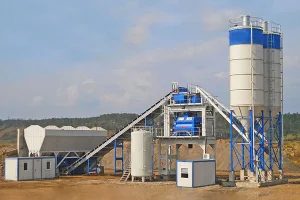
High-throughput projects (bridges, airports, tall buildings) utilize continuous twin-shaft compulsory mixers (180 m³/h capacity). Dual hydraulic discharge gates enable rapid filling of transit mixers, delivering maximum volumetric output per hour.
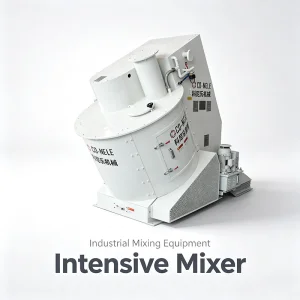
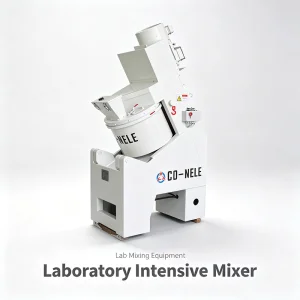
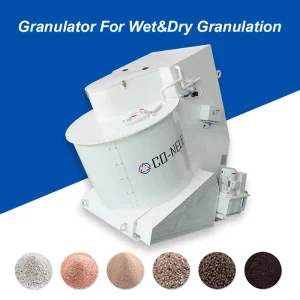
High-temperature furnace linings, ceramic granulates, and battery powders require zero metallic contamination and extreme thermal-friction resistance. Specialized intensive mixers utilize ceramic-tiled pans, high-speed rotors, and dust-tight vacuum sealing.
A technical guide for global procurement directors evaluating Chinese automatic batching plant manufacturers.
When sourcing concrete batching equipment internationally, enterprise buyers must look beyond initial acquisition costs and conduct a comprehensive Total Cost of Ownership (TCO) evaluation. Reliable Chinese vendors provide verifiable engineering credentials, including:
Leading Chinese exporters offer comprehensive remote and on-site validation programs. Prior to shipping, plants undergo dry-run assembly and electrical loop testing. Post-shipment, resident installation engineers execute Site Acceptance Testing (SAT), optimizing batching algorithms to match local sand gradations, coarse aggregate abrasiveness, and cement hydration profiles.
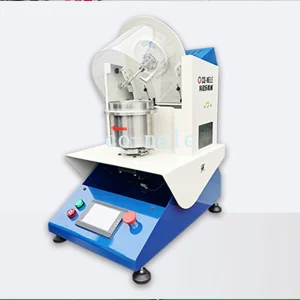
Discover our specialized laboratory scale, mobile series, and stationary concrete block batching equipment.
Expert engineering insights on selection criteria, batching plant sizing, maintenance, and international compliance.