CO-NELEMixing & Granulation
Direct factory supply configurations engineered for precast concrete, refractory compounds, dry mortar, and high-intensity industrial processing.
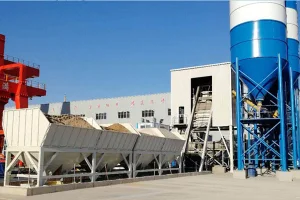
The global industrial concrete production landscape is undergoing a structural transformation. Driven by mega-infrastructure commitments across North America, the Middle East, Southeast Asia, and Western Europe, the demand for high-capacity batching plants and high-homogeneity compulsory mixers has reached unprecedented levels. Central to this global supply chain is China’s manufacturing ecosystem, which supplies over 60% of the world's concrete batching machinery and specialized mixing hardware.
Understanding China concrete mixer plant price structure requires a multi-dimensional analysis of capital expenditure (CAPEX), operational expenditure (OPEX), raw material index fluctuations, and mechanical engineering specs. Sourcing machinery directly from Chinese OEM hubs such as Qingdao offers severe cost advantages—typically 35% to 55% lower CAPEX compared to European legacy brands—without sacrificing structural integrity or digital automation standards.
When evaluating quotes from a China concrete mixer plant manufacturer or factory, prices range from $15,000 USD for basic standalone units to over $500,000 USD for fully integrated, high-capacity tower batching plants. The pricing delta is determined by five main technical vectors:
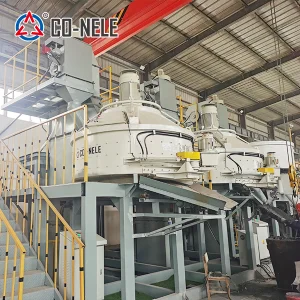
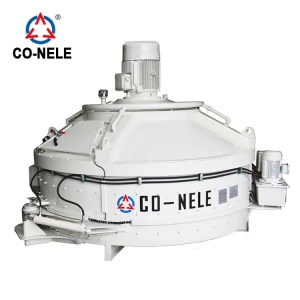
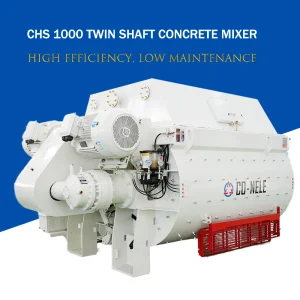
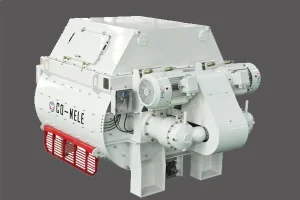
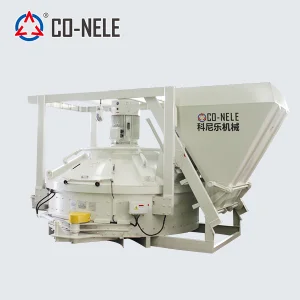
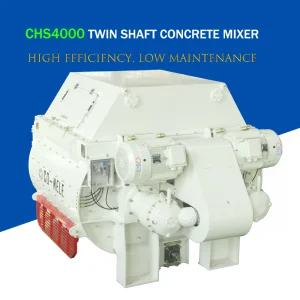
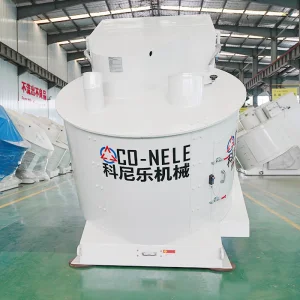
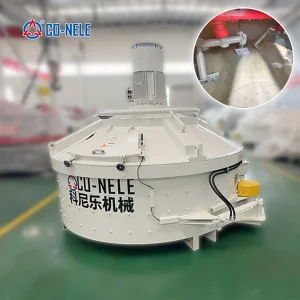
Vertical-shaft counter-current planetary mixers (e.g., MP and CMP series) carry a price premium over twin-shaft compulsory mixers (CHS series) due to complex planetary gearhead machining and multi-directional mixing arm kinematics required for zero-dead-zone homogeneity.
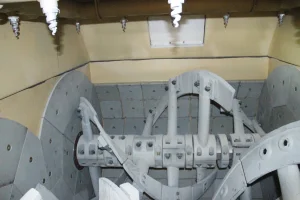
Base models utilize standard manganese steel liners, whereas premium industrial mixers incorporate High-Chrome Cast Iron (Ni-Hard alloys, 60+ HRC hardness) or hard-faced ceramic liners, extending wear life from 40,000 batches up to 150,000+ batches under highly abrasive aggregate conditions.
Basic plants rely on semi-automatic relay panels. Advanced ready-mix and precast plants incorporate dual-computer SCADA control systems, microwave moisture sensors (Hydronix), automatic loss-in-weight chemical dosing, and real-time batch recording protocols.
The following technical matrix outlines realistic direct-factory price ranges for standard concrete production setups manufactured in China:
| Plant / Mixer Type | Typical Output Capacity | Core Mixer Technology | Est. Factory Price (USD) | Primary Applications |
|---|---|---|---|---|
| Compact Batching Plant (HZS25 - HZS50) | 25 – 50 m³/h | Twin-Shaft or Planetary (0.5 to 1.0 m³) | $25,000 – $55,000 | Small construction sites, rural roads, small precast elements |
| Commercial Ready-Mix Plant (HZS60 - HZS120) | 60 – 120 m³/h | Twin-Shaft Compulsory (1.0 to 2.25 m³) | $60,000 – $140,000 | Commercial ready-mix concrete supply, municipal infrastructure |
| High-Capacity Double Plant (HZS180 - HZS240) | 180 – 240 m³/h | Dual Twin-Shaft (3.0 to 4.0 m³) | $150,000 – $380,000 | Highways, mega-dams, airport runways, high-volume ready-mix |
| Precast Special Concrete Plant | 30 – 90 m³/h | Counter-Current Planetary (CMP Series) | $45,000 – $120,000 | Architectural precast, pavers, block machinery, GFRC, UHPC |
| Mobile Quick-Moving Batch Plant | 30 – 75 m³/h | Chassis-Mounted Twin Shaft / Planetary | $35,000 – $85,000 | Linear railway projects, remote repairs, short-term contracts |
Operating a concrete mixing plant requires tailored engineering adjustments to match local climatic conditions, material traits, and regional regulatory frameworks. Industrial mixing plants engineered by top Chinese exporters like CO-NELE feature bespoke modifications for diverse geographic zones:
Concrete hydration control is critical at temperatures exceeding 45°C. Plants configured for Saudi Arabia, UAE, and Qatar feature fully insulated aggregate bins, ice-flake dosing systems, chilled water metering, and heavy-duty IP65 dust-sealed electrical enclosures with integrated cabinet air conditioning.
Projects across the US, Canada, and Western Europe demand compliance with OSHA, CE, and UL standards. Machinery configurations incorporate reverse-pulse jet baghouse dust collectors (<10mg/m³ emission rates), double-walled liquid chemical silos, integrated noise-barrier cladding, and safety-interlocked maintenance access doors.
In humid zones such as Indonesia, Vietnam, and the Philippines, aggregate moisture varies rapidly. Automatic real-time microwave moisture probes dynamically adjust batching water-to-cement ratios per cycle, while anti-corrosive marine-grade epoxy coatings protect structural steel frame members from tropical rust degradation.
The concrete batching machinery sector is transitioning toward digitalization, low-carbon footprints, and intelligent automation. Buyers sourcing from forward-thinking Chinese factories benefit from next-generation technological integrations:
Modern plants are integrating AI algorithms that analyze cement reactivity, aggregate gradation curves, and ambient humidity in real time. By automatically optimizing Supplementary Cementitious Materials (SCMs)—such as fly ash, slag powder, and calcined clay—plants reduce Portland cement consumption by up to 15% to 25%, significantly lowering carbon intensity without sacrificing 28-day compressive strength.
Advanced planetary mixers are equipped with embedded tri-axial vibration sensors, thermal oil telemetry in gearboxes, and motor current profile analyzers. Cloud-connected dashboards notify maintenance teams of bearing fatigue or wear liner thinning weeks before catastrophic mechanical failure, shifting plant operation from reactive repair to scheduled predictive maintenance.
Environmental regulations require modern concrete production yards to operate zero-waste setups. Integrated concrete re reclaimers separate unhardened aggregate solids from wash water. The recycled greywater is continuously monitored for specific gravity and pH, then automatically re-injected into secondary batch cycles via computerized slurry dosing valves.
Selecting the right China concrete mixer plant factory requires evaluating technical capabilities beyond baseline price tags. Global contractors and block manufacturers should execute a rigorous five-point procurement audit:
Ensure the manufacturer designs and builds its planetary gearboxes and mixer chassis in-house. Suppliers assembling third-party off-the-shelf components often lack torque optimization and long-term spare-part traceability.
Commercial batching plants endure high fatigue cycles. Require ultrasonic Non-Destructive Testing (NDT) reports for main beam welds, structural steel mill test certificates (Q355B/Q235B grades), and ISO 3834 welding compliance.
Leading manufacturers like CO-NELE offer laboratory material trial runs. Prospective buyers can send aggregate and binder samples to test mixing homogeneity, moisture absorption curves, and discharge speeds prior to commercial contract signing.
Expert insights covering pricing mechanics, shipping logistics, wear-part life, and machine selection.
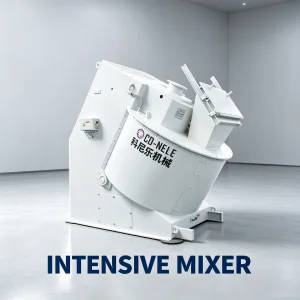
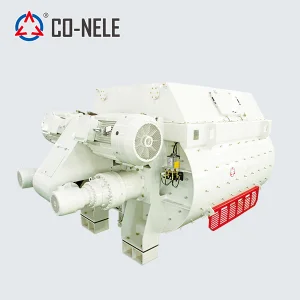
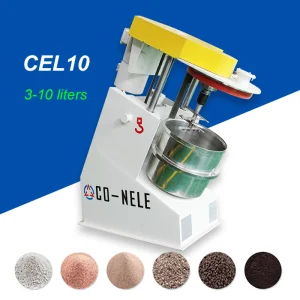
Explore specialized double spiral shaft mixers, dry mortar processing units, and high-intensity lab granulators engineered for industrial precision.