CO-NELEMixing & Granulation
Explore high-performance mixing systems, mobile batching units, and forced-action planetary mixers designed for rigorous infrastructure demands.
Analyzing the shift from stationary concrete production to mobile ready mix plants across mega-scale global construction projects.
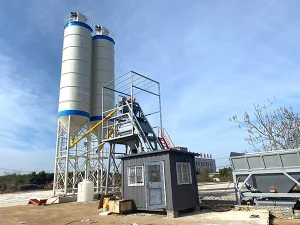
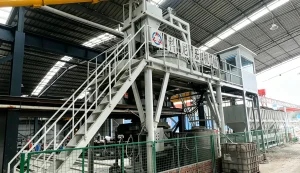
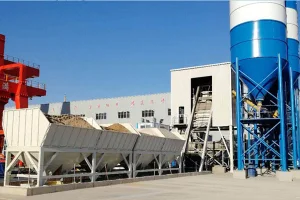
Modern civil infrastructure requires zero-foundation or lightweight foundation designs. China mobile ready mix plants eliminate weeks of civil preparation through integrated steel chassis design, quick-connect plug-and-play pneumatic lines, and pre-wired SCADA interface units.
With stringent global carbon constraints, mobile batching plants integrate precise dosing units for supplementary cementitious materials (SCMs) such as fly ash, GGBS, and silica fume. Advanced dynamic weighing systems lower cement waste by up to 3.5% per batch.
By coupling planetary forced-action mixers with real-time microwave moisture sensors, mobile concrete batching plants ensure micro-homogeneity within a short 45-to-60 second mixing cycle, fulfilling strict nuclear, dam, and high-speed rail building codes.
Selecting the optimal mobile concrete batching machine requires an engineering evaluation of fluid dynamics, shear mechanics, and structural durability. Traditional drum-type mobile mixers rely on gravity-assisted mixing, which often results in segregation when working with low-slump concrete or dense precast formulations. In contrast, modern Chinese manufacturing centers on forced-action planetary counter-current mixing and heavy-duty twin-shaft systems.
The matrix below outlines the operational boundaries and performance metrics of China mobile ready mix concrete plant configurations:
| Plant Configuration | Mixer Architecture | Typical Output (m³/h) | Target Application | Dosing Precision | Installation Footprint |
|---|---|---|---|---|---|
| Compact Mobile Ready Mix | Single/Twin Shaft compulsory | 25 - 60 m³/h | Roadways, Culverts, Rural Infrastructure | Cement ±1%, Agg ±2% | Minimal (Foundationless) |
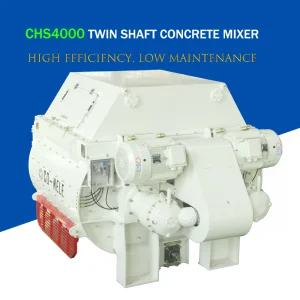
| Heavy-Duty Mobile Plant | Twin Shaft (CHS Series) | 75 - 120 m³/h | Bridges, Airports, Mega Commercial Ready Mix | Cement ±0.5%, Agg ±1% | Medium (Compact Steel Frame) |
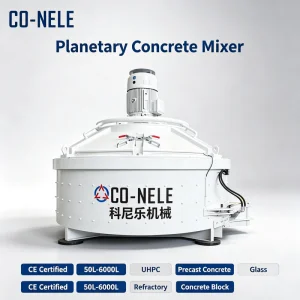
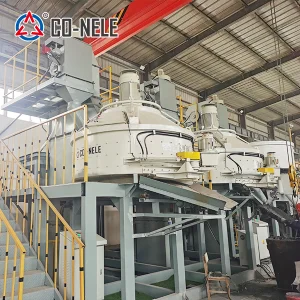
| Precast & Special Concrete | Planetary Counter-Current (CMP) | 30 - 90 m³/h | UHPC, Pavers, Block Plants, GFRC elements | Cement ±0.5%, Additive ±0.5% | Modular High-Tower Frame |
| Continuous Mobile Batcher | Pugmill / Continuous Twin Shaft | 100 - 200 m³/h | RCC (Roller Compacted Concrete), Road Bases | Volumetric / Gravimetric ±2% | Linear Towable Chassis |
From extreme desert climates in the Middle East to sub-zero railway projects in Northern Europe, mobile ready-mix plants adapt to harsh operational conditions.
Configured with heavy insulation, chilled water dosing manifolds, and ice-weighing hoppers, Chinese mobile batching equipment maintains concrete temperatures below 32°C during high ambient ambient heat conditions (50°C+), satisfying Saudi Aramco and UAE municipal specs.
Export models are built to strictly comply with CE norms, EN 206-1 standards, and UL/CSA electrical wiring specs. Featuring dual-channel safety interlocks, dust suppression filters (<10mg/m³ emissions), and fully audited pressure vessels for cement pneumatic conveying.
In South American and African mining corridors, mobile plants operate independently of local utility grids. Integrated diesel generator sets, heavy-duty off-road axle mountings, and telemetry units enable continuous production in isolated areas.
Discover how IoT sensors, self-learning mix algorithms, and sustainable wear materials are shaping the future of mobile ready-mix equipment.
Real-time microwave absorption sensors placed inside the mixing pan sample aggregate moisture content 60 times per second. AI algorithms automatically dynamically recalculate water dosing compensation before water discharge, eliminating manual slump tests.
Integrated acoustic and vibration sensors along the planetary gearbox and mixing shaft monitor mechanical stress. Cloud dashboards alert site engineers to liner degradation, avoiding unplanned downtime during critical continuous pours.
Modern mobile batching plants integrate portable slurry reclaimer units. Washout water from truck mixers and batching pans is separated into coarse aggregate and grey water, both of which are reintroduced into secondary structural batch formulas.
In-depth technical answers regarding mobile ready mix concrete plant setup, maintenance, selection, and field operations.
The primary advantage lies in logistical efficiency, reduced transport costs, and rapid site deployment. A mobile batching plant is constructed on a heavy-duty single or dual trailer chassis with integrated aggregate bins, weighing hoppers, water/additive systems, and compulsory mixers. It requires minimal or zero permanent concrete foundations and can be erected, calibrated, and commissioned within 24 to 48 hours. This eliminates long-distance concrete transit delays, preventing premature hydration stiffening or slump loss when servicing remote infrastructure projects such as highways, wind farms, and bridge abutments.
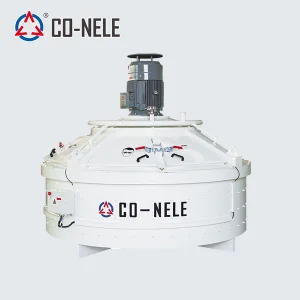
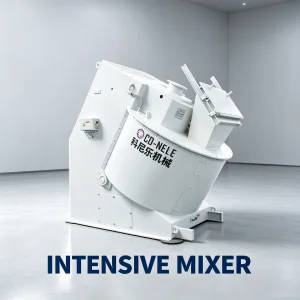
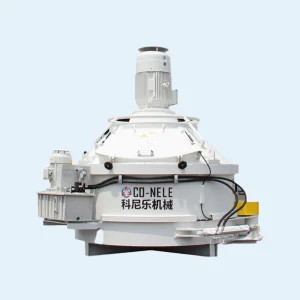
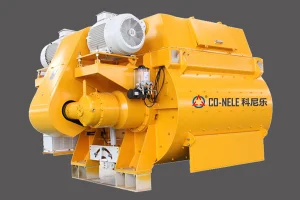
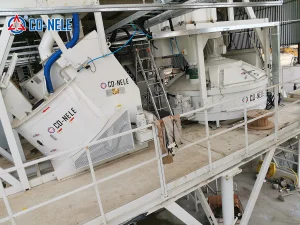
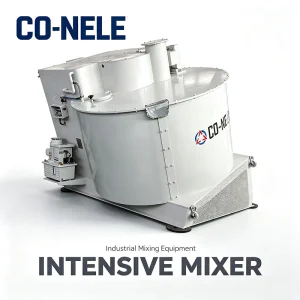
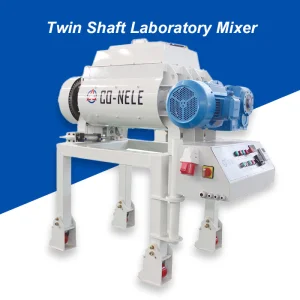
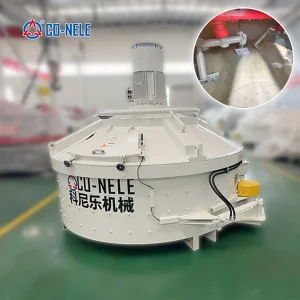
A planetary counter-current mixer operates on a vertical shaft axis where mixing arms rotate on their own axis while revolving around a central point. This produces complex flow trajectories that cover 100% of the mixing pan without dead zones, making it ideal for low-slump concrete, dry-cast mixtures, UHPC, and pigmented precast products. A twin-shaft mixer utilizes horizontal shafts with overlapping paddle arcs, providing high shear turbulence and extremely fast discharge speeds, making it the preferred configuration for high-volume commercial wet ready-mix concrete applications exceeding 60 m³/h.
Under standard operating conditions with river sand and crushed granite, high-chromium alloy liners (Hardness ≥ 60 HRC, Ni-Hard IV steel) typically yield between 100,000 to 150,000 mixing cycles before requiring replacement. When processing highly abrasive materials such as quartz sand, refractory castables, or metallic fibre-reinforced UHPC, wear life ranges between 40,000 and 70,000 cycles. All internal liners are modular, bolt-on components that can be quickly swapped during scheduled maintenance shifts.
Export mobile batching plants are built to regional electrical specifications, including 380V/50Hz, 415V/50Hz, 440V/60Hz, or 480V/60Hz configurations. The central automation cabinet features IP65-rated enclosures housing industrial Siemens S7-1500 or Schneider PLCs with multi-language SCADA interfaces (English, Spanish, Russian, French, Arabic). The system stores up to 999 custom mix formulations, features real-time graphic process mapping, automatic moisture compensation, and exports batch logging data to corporate ERP systems via OPC-UA/EtherNet IP protocols.
Aggregate dosing accuracy (achieving ±1% to ±2% gravimetric tolerance) is maintained using multi-point shear beam load cells mounted beneath the aggregate weighing belt or hopper. The system utilizes a two-speed feeding gate mechanism (fast coarse dosing followed by precise fine dribble feed) combined with automatic free-fall compensation algorithms. This corrects for material suspended in mid-air at the moment the discharge gate closes, ensuring consistent mix proportions batch after batch.
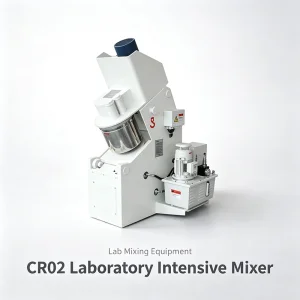
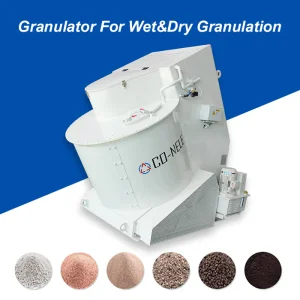
Explore specialized industrial granulators, laboratory testing units, and precast batching machinery engineered for high-precision recipes.