CO-NELEMixing & Granulation
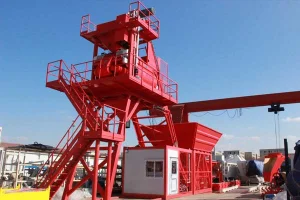
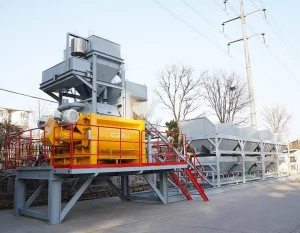
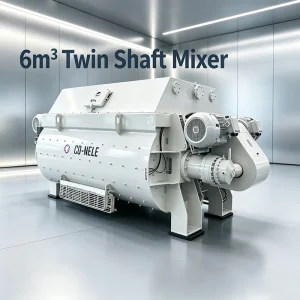
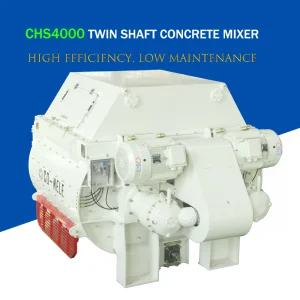
The JS1500 concrete mixer represents a cornerstone in heavy-duty civil engineering infrastructure, commercial ready-mix concrete production, and precast concrete element manufacturing. As a double horizontal shaft compulsory concrete mixer, the JS1500 model is engineered to deliver a rated discharge capacity of 1.5 cubic meters (1500 liters) per batch, corresponding to a charging capacity of 2400 liters. When integrated into standardized modular mixing systems—most notably the HZS75 batching plant (skip-hoist feeding) and HZS90 batching plant (inclined belt conveying)—it provides a robust hourly yield ranging from 60 to 90 m³/h under steady-state operating conditions.
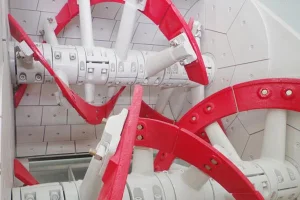
In modern concrete engineering, achieving rapid material homogeneity without inducing premature segregation or severe abrasive wear is a paramount challenge. The China-manufactured JS1500 addresses this through advanced forced mixing kinematics. Unlike gravity-based tilting mixers, the JS1500 utilizes dual synchronized counter-rotating shafts equipped with multi-blade mixing arms arranged at optimized helical angles. This geometric configuration generates a intense three-dimensional turbulent fluid shear zone within the mixing trough, achieving complete dispersion of cementitious binders, coarse aggregates (up to 80mm), fine sand, water, and chemical admixtures within 30 to 45 seconds.
Below is an authoritative technical parameter matrix reflecting current OEM engineering standards for high-performance JS1500 concrete mixing machines:
| Specification Parameter | Engineering Value / Metric | Technical Relevance & OEM Standard |
|---|---|---|
| Discharge Volume (Nominal) | 1500 L (1.5 m³) | Standardized volumetric batch sizing for transit mixers. |
| Charging Capacity | 2400 L | Volumetric capacity accepting uncompacted raw materials. |
| Max. Aggregate Size (Pebble / Crushed) | 60 mm / 80 mm | Accommodates heavy civil hydraulic & dam concrete recipes. |
| Mixing Shaft Speed | 25.5 rpm | Calculated Froude number optimizing shear vs power draw. |
| Mixing Motor Power | 2 x 37 kW (74 kW Total) | Dual electric drive system with synchronized reduction gear. |
| Discharge Gate Operation | Hydraulic Pump (3.7 kW) / Pneumatic | Three-stage controllable opening for partial or total discharge. |
| Liner & Blade Material | High-Chromium Cast Iron (HRC ≥ 62) | Wear resistance exceeding 50,000+ batch cycles under abrasive mix. |
| Axial Shaft Seal System | Multi-Layer Floating Seal + Grease Injection | Prevents mortar penetration into shaft end bearings. |
Utilizes dual 37kW heavy-duty electric motors linked through a rigid mechanical sync shaft or planetary gear reducer, ensuring perfectly matched rotation speeds, zero gear backlash, and reduced starting electrical current spikes.
Employs floating ring mechanical seals combined with automatic pressure-monitored grease injection pumps. This dual-defense mechanism prevents cement slurry and fine micro-silica from attacking main drive bearings.
Mixing blades and drum liners are pressure-cast from Ni-Hard and high-chromium alloy steel (Cr15Mo1 / Cr26). Achieving hardness levels exceeding HRC 62, they deliver exceptional wear resistance against quartz-heavy aggregates.
Equipped with an independent hydraulic pump station driving a heavy-duty cylinder. Supports adjustable intermediate opening states for metered truck loading and manual emergency discharge during power outages.
Integrated electric grease pump automatically meters micro-doses of synthetic lubricant directly to all four shaft end seals during active mixing cycles, minimizing maintenance overhead and manual labor.
Computer-optimized mixing chamber curvature reduces hydrodynamic drag, cutting electrical energy consumption per m³ of mixed concrete by up to 14% compared to legacy planetary or single-shaft designs.
The global demand for 1.5 m³ compulsory concrete mixers has experienced sustained growth across emerging economies in Southeast Asia, the Middle East, Africa, and Latin America, alongside specialized modernization initiatives in North America and Eastern Europe. Global procurement managers and EPC (Engineering, Procurement, and Construction) contractors prioritize three core evaluation pillars when sourcing JS1500 concrete mixers from Chinese manufacturers: Total Cost of Ownership (TCO), kinematic consistency, and supply chain readiness for wear-part replacements.
From a Total Cost of Ownership perspective, a China-manufactured JS1500 unit offers a capital expenditure (CAPEX) advantage of 40% to 60% compared to equivalent European twin-shaft alternatives, without compromising operational reliability (OPEX). Procurement teams analyzing concrete production metrics note that mixing cycle efficiency directly dictates truck fleet turnaround times. By standardizing on JS1500 units configured with twin 37kW heavy-duty motors, batching plants achieve consistent 50-to-60 second cycle times (including loading, mixing, and discharging), allowing a single plant to load an 8 m³ transit mixer truck in approximately six to seven minutes.
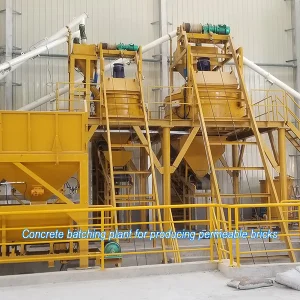
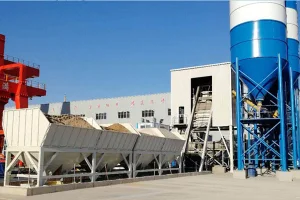
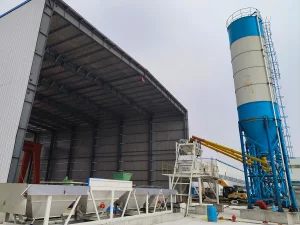
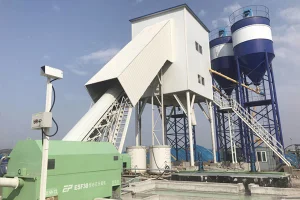
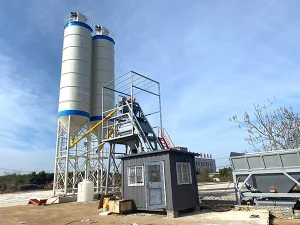
The JS1500 concrete mixer is rarely deployed as a standalone standalone unit; rather, it functions as the central mixing heart of highly automated concrete production complexes. Depending on civil engineering requirements, site constraints, and operational mobility, Chinese engineering manufacturers integrate the JS1500 into three primary macro-industry plant archetypes:
The industrial evolution of Chinese concrete mixing machinery is rapidly converging with Industry 4.0 digital frameworks, material science advancements, and low-carbon cement replacement formulations. Leading manufacturers are executing against a four-stage technology roadmap designed to transform traditional mechanical mixing into smart, zero-emission process control:
Integration of inline microwave moisture sensors and shaft torque transducers to calculate real-time concrete slump inside the drum during mixing.
Vibration analysis sensors placed on main reduction gearboxes and motor bearings to detect mechanical fatigue prior to catastrophic failure.
Re-engineered paddle aerodynamics and variable-frequency drive (VFD) controls tailored for sticky, alkali-activated geopolymer concrete mixes.
Closed-loop neural network control systems automatically adjusting admixture micro-dosing and mixing duration based on incoming aggregate dampness.
China has established itself as the world's primary manufacturing hub for twin-shaft compulsory concrete mixers, capturing a massive share of export markets due to complete domestic industrial supply chains. Industrial clusters in Shandong, Henan, and Jiangsu leverage localized precision machining, automated robotic welding, and specialized iron casting foundries to produce JS1500 mixers at scales unmatchable elsewhere.
When evaluating Chinese JS1500 machinery against European benchmarks (such as BHS or Sicoma), modern top-tier Chinese manufacturers utilize identical key components—including Italian BONFIGLIOLI or German SEW gear reducers, SKF bearings, and Schneider/Siemens electrical controls—while maintaining significant cost competitiveness. This hybrid manufacturing approach delivers European-grade performance with Chinese manufacturing speed and value.
Exporting industrial mixing machinery requires strict adherence to international electrical, mechanical, and safety standards. Leading Chinese JS1500 manufacturers implement rigorous quality control systems certified under ISO 9001:2015 and supply fully certified equipment to meet regional compliance mandates:
Partner with China's leading mixing equipment manufacturer. Speak with our application engineers today to tailor a JS1500 twin-shaft mixer or turnkey HZS75/HZS90 batching plant customized to your exact aggregate profile and capacity demands.
Contact Engineering Team