
CO-NELEMixing & Granulation
Direct OEM manufacturing standard designed for extreme industrial wear, severe environmental humidity, and high-volume batch requirements across Southeast Asia.
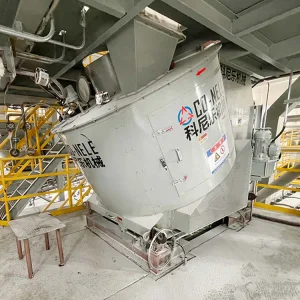
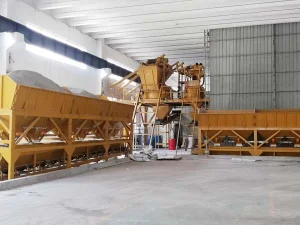
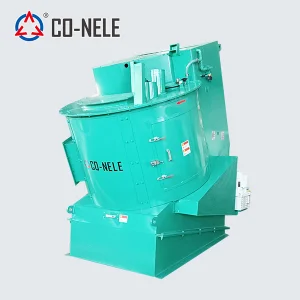
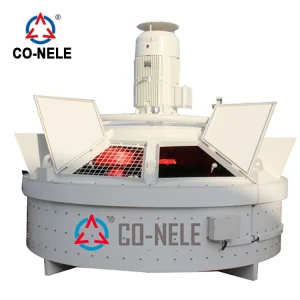
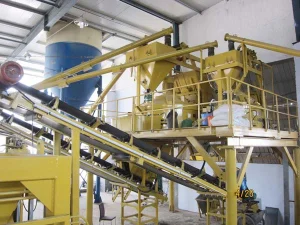
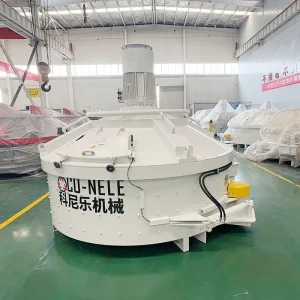
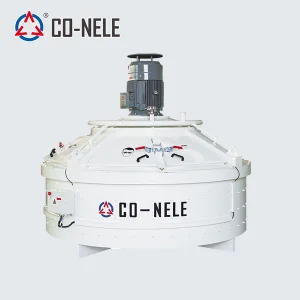
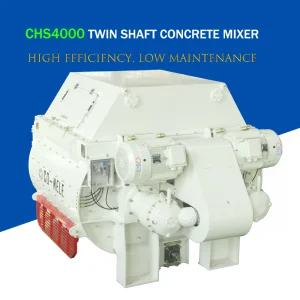
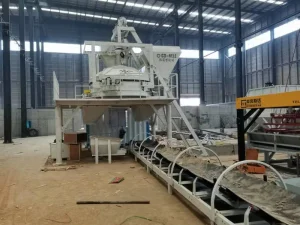
Indonesia's historic transition of its national capital to East Kalimantan demands continuous, high-volume production of standard readymix, self-consolidating concrete (SCC), and precast infrastructure components. Chinese batching plant engineering provides rapid-deployment modular designs suited to tropical terrain.
Industrial processing zones in Morowali, Weda Bay, and Halmahera demand robust concrete plants for high-grade refractory lining mixing, heavy foundation slabs, and acidic slurry containment basins engineered with high-durability planetary mixing systems.
Indonesian environmental operational conditions present intense challenge profiles: high relative humidity (up to 95%), aggregate moisture fluctuations, and elevated ambient heat. Machinery features integrated ice-water dosing, chilled aggregate hydration systems, and moisture sensors.
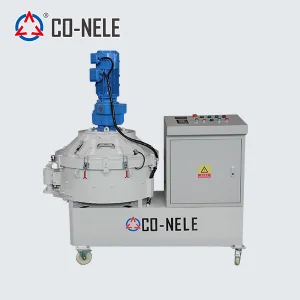
Traditional horizontal twin-shaft mixers often struggle with zero-slump dry cast mixes or ultra-high performance concrete (UHPC) enriched with local volcanic silica sand common in Java and Sumatra. Vertical-shaft planetary counter-current mixers utilize mechanical interaction paths where mixing blades rotate on separate orbits while revolving around a central point. This guarantees zero dead zone accumulation, homogenous pigment distribution, and precise binder hydration in under 60 seconds.
Comprehensive engineering matrix tailored for technical directors, civil infrastructure buyers, and concrete plant operators evaluating equipment imports from China to Indonesia.
| Plant Configuration | Core Mixer Technology | Rated Capacity | Primary Industrial Application | Indonesian Market Fit |
|---|---|---|---|---|
| HZN Series Stationary Plant | CHS Twin-Shaft Compulsory Mixer | 60 - 180 m³/h | Commercial Ready-Mix, Highway Paving, Bridge Slabs | High-volume urban expansion in Jakarta, Surabaya, & Medan |
| HZS Series Precast Plant | CMP Planetary Counter-Current Mixer | 30 - 120 m³/h | Precast Concrete Panels, Culverts, Kerbs, Blocks | High precision for housing components & IKN precast yards |
| MBP Series Mobile Plant | Compact Twin Shaft / Planetary Option | 25 - 60 m³/h | Remote Road Construction, Bridge Repair, Temporary Works | Ideal for inter-island infrastructure & remote mine sites |
| UHPC & Special Mixing Line | High-Shear Intensive / Planetary Mixer | 15 - 50 m³/h | Fibre-Reinforced Marine Grouting, Dam Repairs, Smelters | Offshore oil platforms, nickel smelting plants in Sulawesi |
Modern concrete batching plants deployed in Indonesia feature dynamic automated control systems built on Siemens PLC infrastructure. Dual-computer synchronized controls allow instant recipe modification, automatic moisture compensation based on microwave probe inputs, and seamless digital integration with fleet dispatching software.
The aggregate batching hopper utilizes multiple load cell points with a self-adjusting drop compensation algorithm, securing batching accuracy of within ±2% for coarse materials and ±1% for water, cementitious powders, and liquid admixtures—fully compliant with SNI (Standar Nasional Indonesia) 2847:2019 structural concrete guidelines.
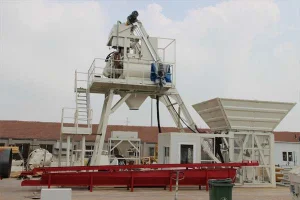
Deploying concrete machinery to remote islands (e.g., Maluku, Papua) presents serious logistical challenges. Modular foundationless plants require no deep excavation or permanent concrete foundation pads, reducing civil works costs by up to 60% and enabling installation on packed ground within 48 hours of container unloading.
Producers of interlocking blocks, kerbstones, and hollow core slabs require dry-cast concrete with water-cement ratios below 0.30. Planetary mixers deliver high mechanical shear to fully disperse micro-silica and pigments, preventing colour streaking and guaranteeing edge compaction strength exceeding K-500 standards.
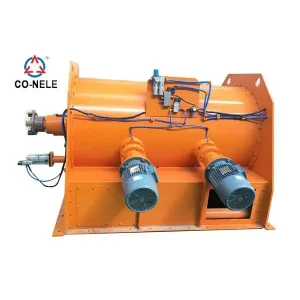
Industrial infrastructure projects in Morowali and Halmahera require continuous pour operations for extreme heat refractory linings and heavy machinery bases. China-manufactured heavy-duty twin-shaft systems are equipped with high-chrome alloy liners (HRC ≥ 62) capable of processing abrasive aggregates without excessive downtime.
Indonesian industrial grids operate on 380V/50Hz 3-phase power, with occasional voltage fluctuations in island projects. Equipment engineered for export to Indonesia features wide-tolerance electrical systems, Schneider/Siemens breakers, tropicalized motor insulation (Class H), and IP65 dust/water-proof cabinet seals.
For government infrastructure tenders under Ministry of Public Works and Public Housing (PUPR), projects often demand compliance with TKDN (Tingkat Komponen Dalam Negeri) rules. We provide flexible equipment supply options—delivering core mixing systems, weighing sensors, and automation controls from China while partnering with local Indonesian fabricators for steel silos, aggregate hoppers, and support structures to maximize local content score.
A: Sea freight direct from Qingdao or Shanghai to Tanjung Priok (Jakarta) or Tanjung Perak (Surabaya) typically takes between 12 to 18 transit days depending on vessel scheduling. Standard modular batching plants are packed into 40ft High-Cube (HQ) containers or Flat Rack (FR) units for oversized mixer chassis, minimizing port clearance fees.
A: Planetary mixers utilize a single vertical shaft system with revolving stars that rotate simultaneously on separate axes. This creates 100% pan coverage within every revolution, making it superior for dry-cast mixes, micro-pigments, and UHPC where consistency is essential. Twin-shaft mixers excel in high-throughput wet ready-mix concrete above 2 m³ per batch cycle where fast discharge time is paramount.
A: Yes. Export configurations for Indonesia include dedicated insulation options, high-volume ice-water dosing meters, aggregate cooling sprinklers, and dual-screw cement weighing hoppers to prevent early setting or thermal cracking in fresh concrete batches.
A: All shipped machinery includes complete CE certification, ISO9001 quality compliance, Form E certificate of origin (enabling preferential ASEAN-China tariff rates under ACFTA), mill test reports for structural steel, and complete English/Indonesian user and maintenance manuals.
A: Standard high-chrome cast iron liners (Cr26) typically deliver between 100,000 to 150,000 batch cycles under normal aggregate abrasion. For extreme quartz or volcanic sand conditions, optional Hardox steel or ceramic liner tiles are available to double wear lifespan.
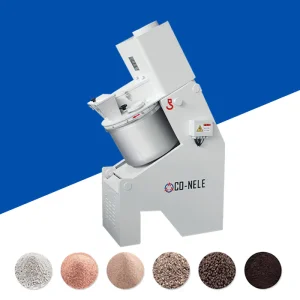
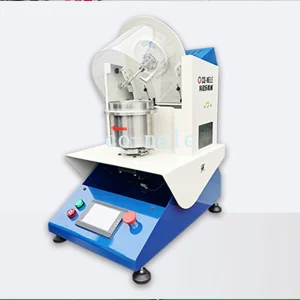
Advanced lab testing equipment, high-shear granulators, and mobile plants tailored for fast setup.
Send us your project specifications, raw aggregate sample data, or target capacity requirements in Indonesia. Our engineering office will provide a custom plant layout, detailed CAD foundation blueprints, and an itemized direct-factory quotation within 24 hours.