CO-NELEMixing & Granulation
Explore engineered solutions tailored for high-homogeneity batching, refractory formulations, precast concrete manufacturing, and advanced powder processing.
In the realm of global industrial civil engineering and material processing, selecting an optimal China cement mixing plant manufacturer & machine represents a strategic intersection of high-tier mechanical engineering, rapid digital innovation, and cost-effective capital deployment. China's manufacturing ecosystem for cement batching plants, compulsory twin-shaft mixers, counter-current planetary mixers, and high-intensity granulators has evolved from basic component synthesis to world-leading structural innovation. Modern industrial cement plants are no longer simple mechanical blenders; they are ultra-precise fluid dynamics and powder homogenization complexes designed to handle strict technical specifications across mega-infrastructure initiatives.
Technical Benchmark: Modern industrial cement mixing systems engineered in China are achieving batch coefficient of variation (CoV) values below 3% within mixing cycles of under 45 seconds—exceeding standard ISO 19570 requirements for high-performance concrete (HPC) and ultra-high-performance concrete (UHPC).
China's machinery industrial parks feature complete integration of heavy casting foundries, precision gear reducer manufacturing, specialized metallurgy for high-chrome wear plates, and advanced PLC control unit assembly. This density minimizes lead times and facilitates customized mechanical adaptations.
Leading manufacturers utilize Ni-Hard and high-chromium alloy liners (exceeding 60-65 HRC hardness) combined with proprietary anti-abrasive blade coatings. This metallurgy withstands millions of operational cycles under intense abrasive stress from quartz sand, iron ore, and heavy refractory aggregates.
Moving away from outsourced components, premier Chinese manufacturers design and build heavy-duty planetary reducers in-house. These gearboxes feature high-torque transmission efficiency, extreme thermal dissipation capabilities, and zero-leakage dual-seal shaft technology.
The international building materials industry is undergoing a structural transition toward decarbonization, ultra-high strength demands, and autonomous plant operation. As a result, the design parameters for modern cement mixing machinery have evolved beyond basic rotational stirring into high-shear fluid mechanics, digital batch tracking, and intelligent binder distribution.
With global environmental mandates enforcing reduction in OPC (Ordinary Portland Cement) usage, ready-mix and precast producers are increasingly incorporating supplementary cementitious materials (SCMs)—including blast furnace slag (GGBS), fly ash, calcined clay, and silica fume. Chinese mixing machines feature optimized blade aerodynamics and dual-speed dynamic rotors capable of completely dispersing ultra-fine pozzolanic particles without clumping, minimizing water-binder ratios.
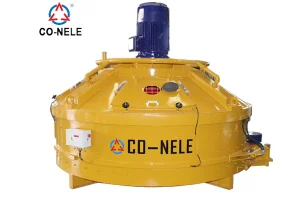
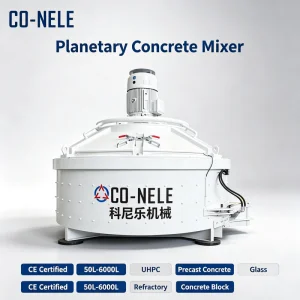
UHPC requires extreme mixing energy input to fully activate micro-silica powders and homogenize steel micro-fibers without fiber balling. Planetary counter-current mixers designed in China employ complex orbital mixing paths where mixing stars rotate on variable axes while orbiting the central pan. This dynamic eliminates dead spots and achieves uniform micro-structural density required for compressive strengths exceeding 150 MPa.
Modern cement batching plants manufactured in China feature integrated SCADA and PLC smart control systems paired with microwave moisture probes situated inside aggregate hoppers and mixing pans. The system dynamically recalibrates water addition in real time (within milliseconds of batch initiation), balancing micro-moisture fluctuations to preserve precise concrete slump and target strength consistency.
Environmental regulations across Europe, North America, and urban Asia demand strict dust containment. Premium Chinese cement batching plants incorporate pulse-jet negative-pressure baghouse filters, pneumatic aggregate dust extraction, and completely enclosed mixing towers, maintaining noise levels below 70 dB and dust emissions below 10 mg/m³.
Industrial mixing requirements vary greatly across application domains. Standard twin-shaft concrete mixers optimized for commercial ready-mix batching cannot satisfy the micro-homogeneity needed for ceramic powders, refractory castables, or dry-cast concrete block production. Below are the core localized operational environments where Chinese cement mixing machines excel:
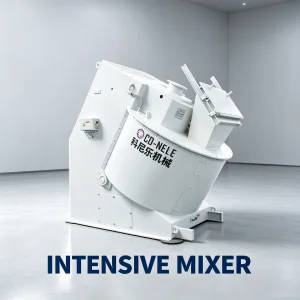
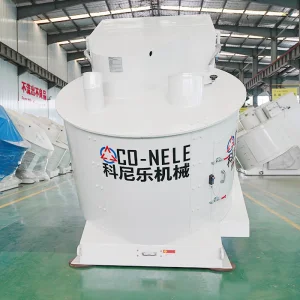
Used heavily in precast concrete pole production, hollow core slabs, wall panels, and dry-cast paving blocks. The vertical-shaft planetary mixer ensures color pigment distribution is 100% uniform across batches, preventing phase separation, surface blotching, or structural density variations.
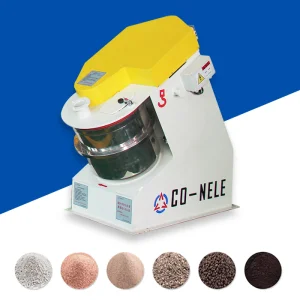
High-intensity mixers engineered with specialized wear liners handle dense, abrasive refractory materials (such as bauxite, corundum, and silicon carbide). They deliver rapid wetting and thorough binding without overheating the mix or breaking sensitive grain structures.
Deployed on barges and coastal plants, mobile and specialized compact UHPC mixing stations deliver anti-scour grouting concrete and high-durability marine concrete formulations resistant to severe chloride penetration and sulfate attacks.
Securing maximum return on investment requires viewing the cement plant as an integrated manufacturing organism. Chinese manufacturers specialize in providing complete, modular, and customizable plant architectures engineered for specific project lifecycles:
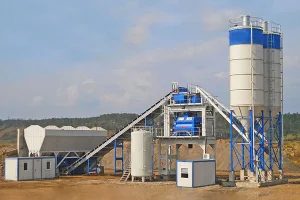
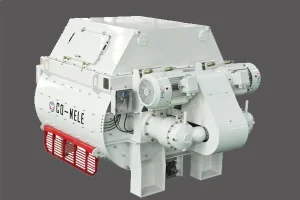
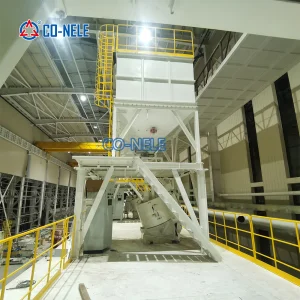
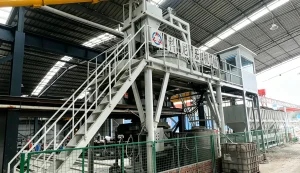
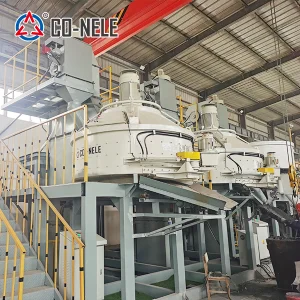
Designed for high-throughput commercial ready-mix suppliers needing continuous output from 60 m³/h up to 240 m³/h. Features twin-shaft compulsory mixers, multi-tier aggregate bin storage with belt-conveyor feeding, high-precision electronic scale weighing, and dual cement silos with pneumatic screw feeders.
Engineered for highway, tunnel, remote dam, and rail infrastructure construction where rapid relocation is essential. The entire mixing plant—including aggregate bins, twin-shaft mixer, weighing units, and cabin—is mounted on a pin-connected towable trailer chassis.
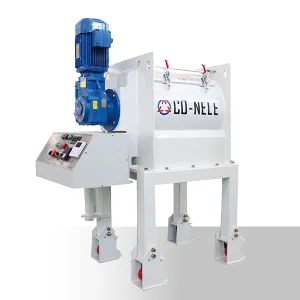
Customized plant solutions incorporating vertical bucket elevators, high-precision sand drying systems, powder metering silos, and intensive single/twin shaft dry mortar mixers. Produces tile adhesives, masonry mortars, thermal insulation render, and self-leveling floor compounds.
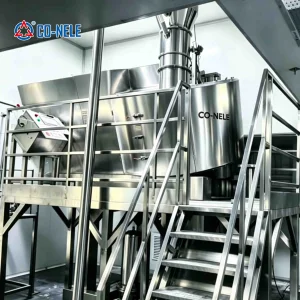
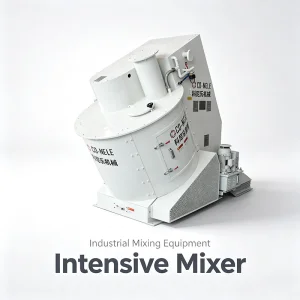
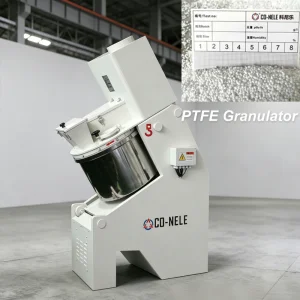
Combining mixing, moistening, and granulating in a single closed vessel. Designed for non-concrete industrial sectors including alumina ceramics, diamond powders, foundry sand reclamation, iron ore pelletizing, and fertilizer manufacturing.
International EPC contractors, concrete batch plant operators, and procurement executives must look beyond initial acquisition cost (CAPEX) to evaluate Total Cost of Ownership (TCO). When sourcing cement mixing machinery from China, technical compliance and operational reliability must be validated through systematic engineering metrics.
Ensure your Chinese manufacturing partner provides CE Marking Compliance (Machinery Directive 2006/42/EC), ISO 9001:2015 Quality Management Certification, structural steel welding qualification under EN 1090 / AWS D1.1, and electrical enclosures compliant with NEMA 4X or IP65 standards with Siemens or Schneider PLC hardware.
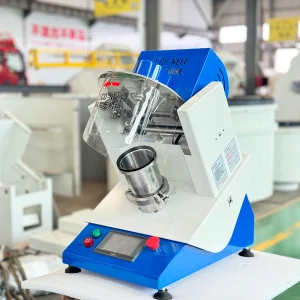
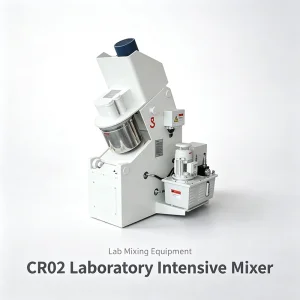
Discover heavy-duty planetary mixers, high-capacity batching plants, specialized castable mixers, and laboratory scale research units.
Expert technical answers covering equipment selection, kinematic mechanics, wear maintenance, and international export logistics.
Whether you require a single planetary replacement mixer, an intensive ceramic powder granulator, or a complete 180 m³/h foundationless batching plant, partner with a verified manufacturer delivering field-tested durability, precise dosing accuracy, and global service support.