1 / 1

The initial mixing phase is fundamental to glass manufacturing. Inconsistent batches lead to defects, reduced melting efficiency, and increased energy consumption. Our mixers are precision-engineered to eliminate these issues, ensuring your glass batch preparation is consistent, efficient, and of the highest standard.
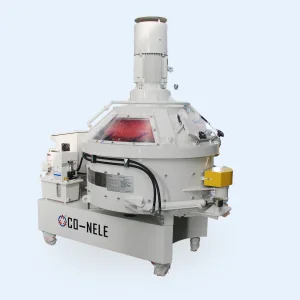
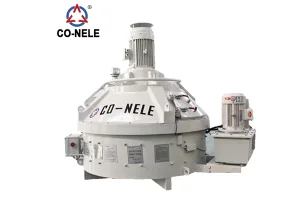
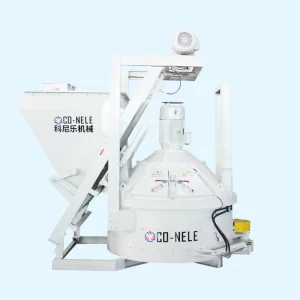
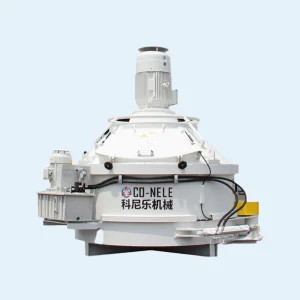
We offer two distinct types of advanced mixers to meet the varied needs of modern glass production: the gentle yet thorough Planetary Mixer for Glass and the high-shear Intensive Mixer for Glass.
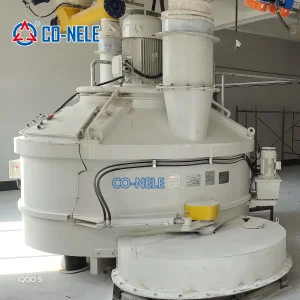
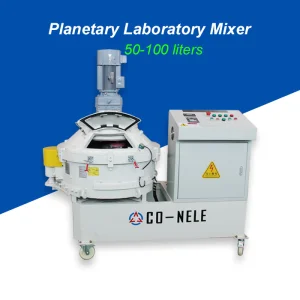
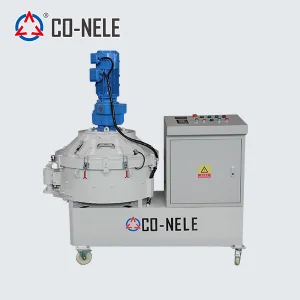
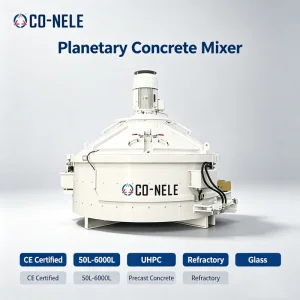
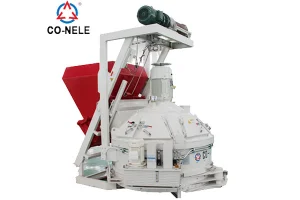
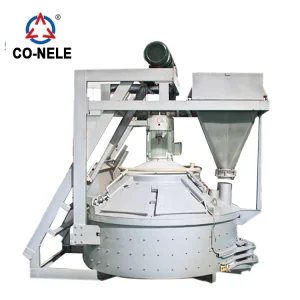
Our Planetary Glass Batch Mixer is designed for applications requiring a meticulous and controlled mixing action. It is ideal for mixing batches with delicate components or where a gentler process is preferred to prevent particle degradation.
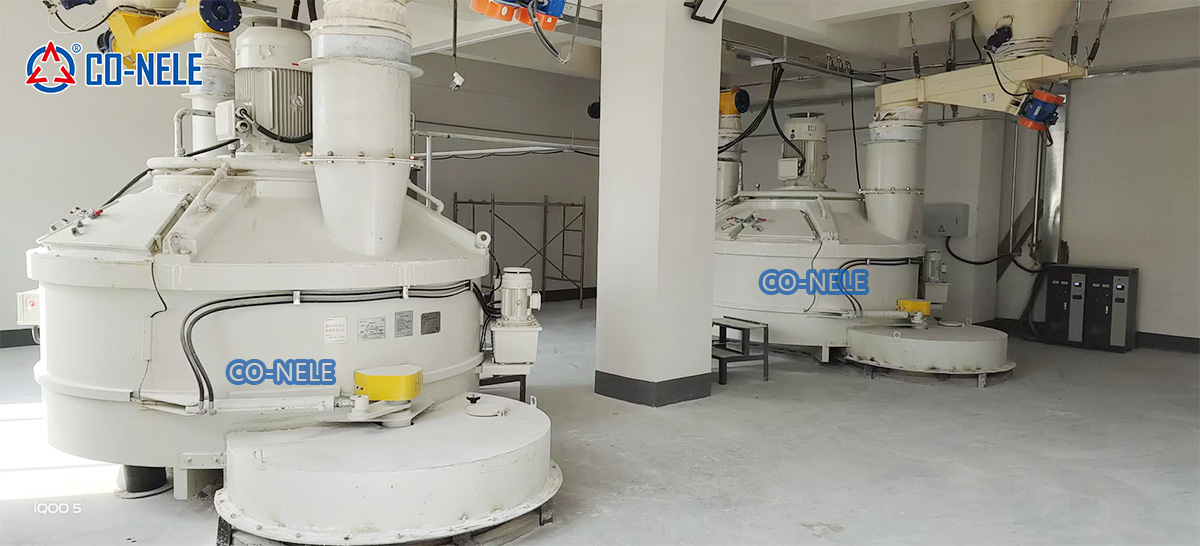
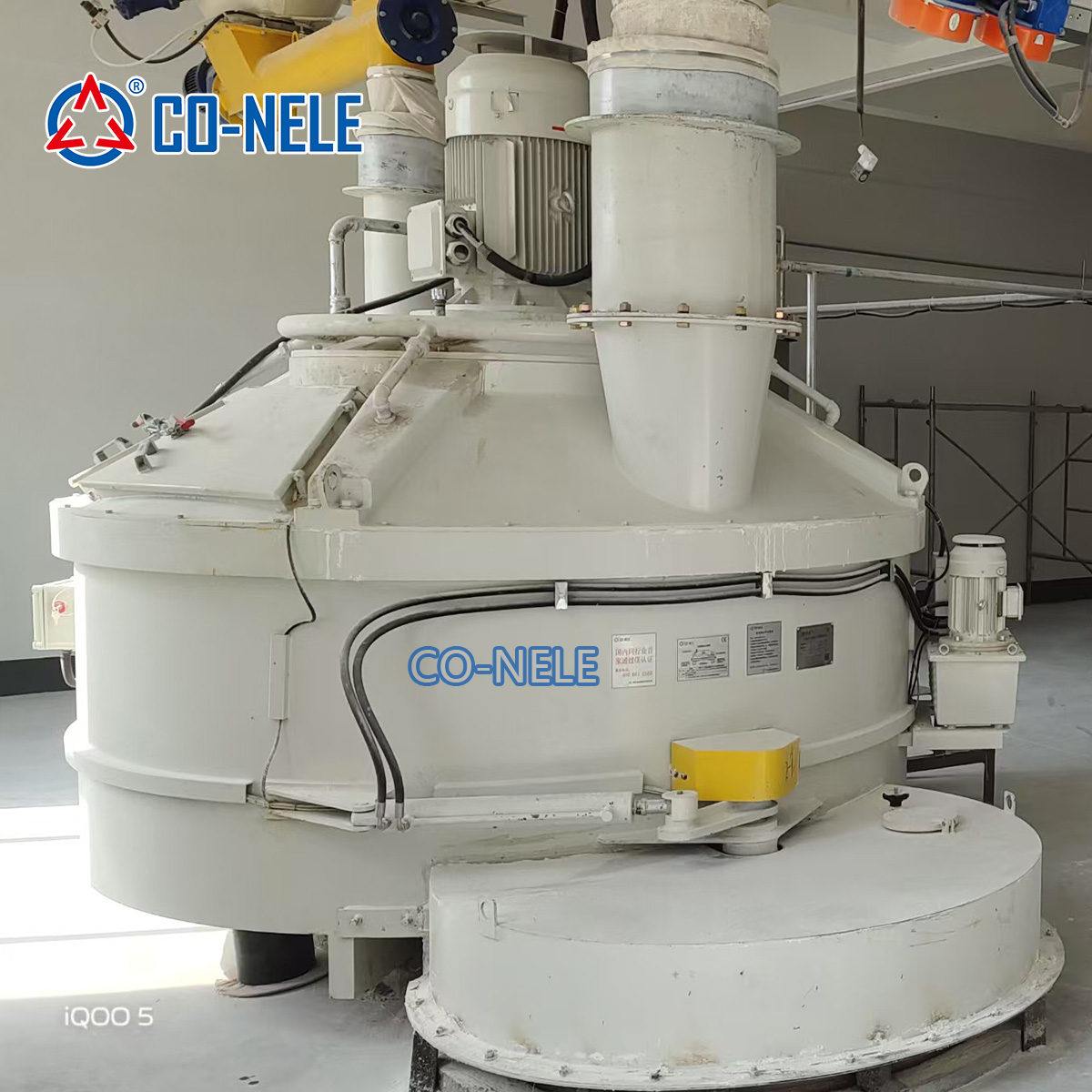
The rotating blade simultaneously orbits the mix vessel and rotates on its own axis, ensuring every particle is moved through the mixing zone without dead spots.
Excellently coats fragile materials like silica sand with consistent moisture (water or caustic soda) and other additives, preventing segregation.
Operators can precisely adjust mixing speed and time to achieve the perfect blend for specific recipes, from fine powders to granular mixes.
Designed with accessibility in mind, our planetary mixers allow for quick changeover between batches and easy cleaning to prevent cross-contamination.
Built with durable materials resistant to the abrasive nature of glass batch ingredients, ensuring long service life and reliability.
| GLASS Mixers | CMP250 | CMP330 | CMP500 | CMP750 | CMP1000 | CEMP1500 | CMP2000 | CMP3000 | CMP4000 | CMP5000 |
| Glass raw material mixing capacity/Liters | 250 | 330 | 500 | 750 | 1000 | 1500 | 2000 | 3000 | 4000 | 5000 |
For operations demanding rapid, high-intensity mixing, our Intensive Mixers for Glass provide unparalleled performance. These mixers use a high-speed rotor to create a vigorous fluidizing action, achieving a perfectly homogeneous mix in a significantly shorter cycle time.
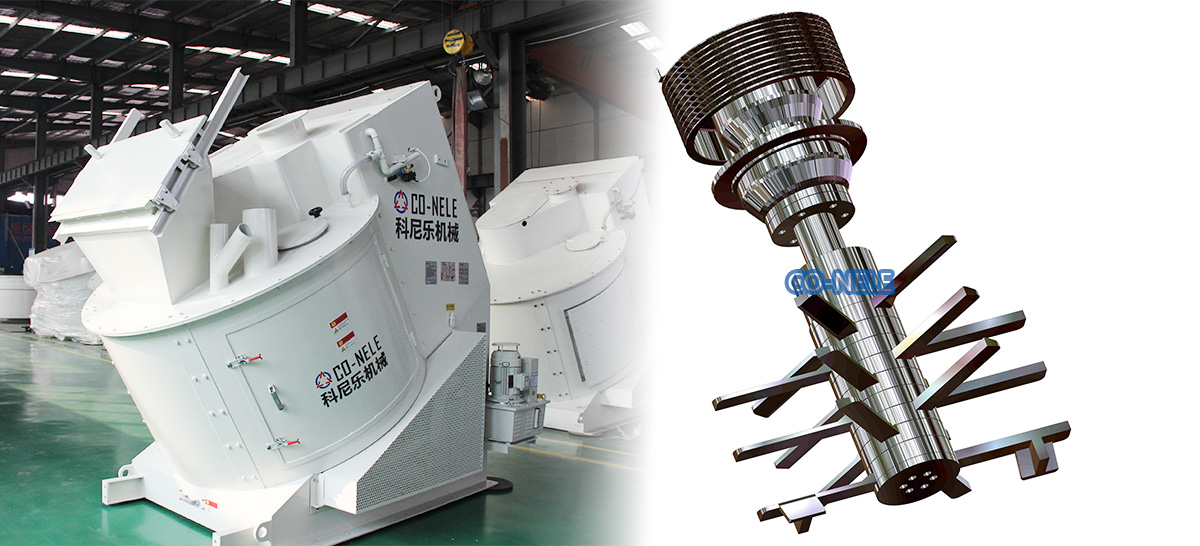
Dramatically reduces mixing time compared to conventional methods, boosting your production throughput and efficiency.
Exceptionally effective at uniformly distributing small quantities of binding liquids (e.g., water) throughout the entire batch, creating a more homogeneous "wet" mix that minimizes dust and improves melting.
Achieves a perfect mix quickly, reducing overall energy consumption per batch.
Sealed construction contains dust, promoting a cleaner, safer working environment and reducing material loss.
Engineered to withstand the most abrasive and demanding mixing tasks day in and day out.
| Intensive Mixer | Hourly Production Capacity: T/H | Mixing Quantity: Kg/batch | Production Capacity: m³/h | Batch/Liter | Discharging |
| CR05 | 0.6 | 30-40 | 0.5 | 25 | Hydraulic center discharge |
| CR08 | 1.2 | 60-80 | 1 | 50 | Hydraulic center discharge |
| CR09 | 2.4 | 120-140 | 2 | 100 | Hydraulic center discharge |
| CRV09 | 3.6 | 180-200 | 3 | 150 | Hydraulic center discharge |
| CR11 | 6 | 300-350 | 5 | 250 | Hydraulic center discharge |
| CR15M | 8.4 | 420-450 | 7 | 350 | Hydraulic center discharge |
| CR15 | 12 | 600-650 | 10 | 500 | Hydraulic center discharge |
| CRV15 | 14.4 | 720-750 | 12 | 600 | Hydraulic center discharge |
| CRV19 | 24 | 330-1000 | 20 | 1000 | Hydraulic center discharge |
Co-nele has 20 years of experience in the glass industry, providing reliable technology for mixing and preparing glass raw materials.
We at Co-nele offer a wide range of glass mixers (including the CMP Series planetary mixers and CR Series intensive mixers) to meet your specific capacity and layout requirements.
Each blender meets European manufacturing standards to ensure durability, performance, and a quick return on investment.
Our technical support and spare parts network ensure smooth operation worldwide.
Investing in the right Glass Batch Preparation Mixer is an investment in the quality, efficiency, and profitability of your entire glass manufacturing process. Ready to optimize your glass batch mixing? Contact us today to discuss your application and find the perfect planetary or intensive mixer for your needs.
This is the most important glass former, comprising the majority of glass (such as flat glass and container glass). Derived from quartz sand (silica sand), it provides the glass's skeletal structure, high hardness, chemical stability, and heat resistance. However, it has an extremely high melting point (approximately 1700°C).
Its primary function is to significantly lower the melting point of silica (to approximately 800-900°C), thereby saving significant energy. However, it also causes glass to dissolve in water, forming what is commonly known as "water glass."
Similar in function to soda ash, it is used in the manufacture of some specialty glasses, such as optical glass and art glass, imparting various lusters and properties.
The addition of soda ash renders glass soluble in water, which is undesirable. The addition of limestone neutralizes this solubility, making the glass chemically stable and durable. It also increases the hardness, strength, and weather resistance of glass.
These are also commonly used as stabilizers, improving the chemical resistance, mechanical strength, and thermal shock resistance of glass. Aluminum oxide is typically derived from feldspar or alumina.
Simply put, the most common soda-lime-silica glass (windows, bottles, etc.) is made by fusing quartz sand, soda ash, and limestone.
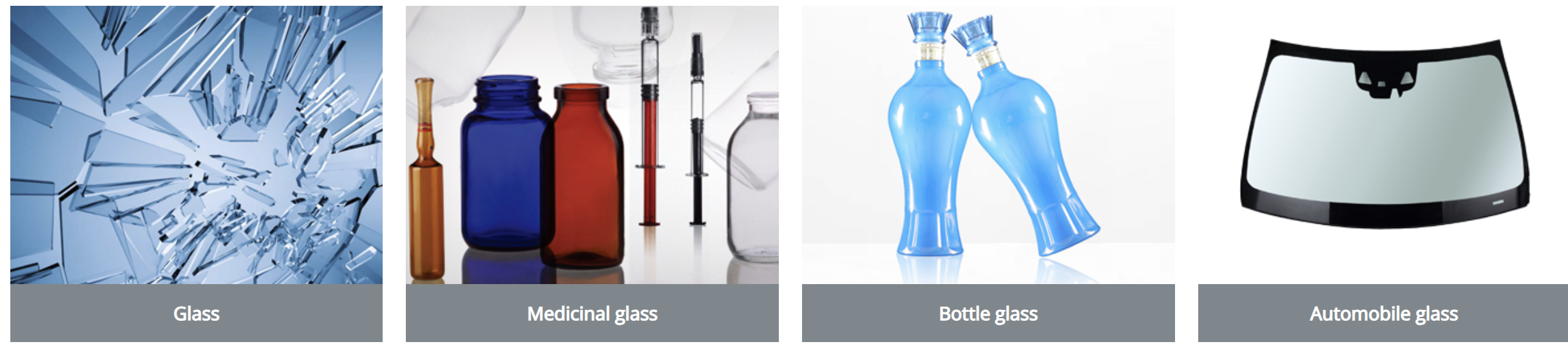
Inconsistent batch mixing leads to product defects, reduced melting efficiency in the furnace, and increased energy consumption. High-precision mixers ensure batch uniformity and stable glass quality.
Planetary Mixers provide gentle, thorough homogenization ideal for fragile ingredients without particle degradation. Intensive Mixers utilize high-speed rotors to deliver high-shear fluidizing action for rapid homogenization in high-volume production lines.
Intensive Mixers (CR Series) are particularly recommended for container and flat glass production due to their high production throughput, rapid cycle times, and superior liquid dispersion abilities.
Both planetary and intensive mixers are built with heavy-duty, highly wear-resistant materials specifically engineered to resist the abrasive nature of glass batch ingredients like silica sand and recycled cullet.
The primary ingredients include Silicon Dioxide (quartz sand), Soda Ash (sodium carbonate), Limestone (calcium carbonate), Potassium Carbonate, and stabilizers like Magnesium Oxide and Aluminum Oxide.