
CO-NELEMixing & Granulation
Directly engineered for rapid deployment across NCR infrastructure corridors, offering zero-dead-zone homogenization and high-abrasion resistance against local aggregate profiles.
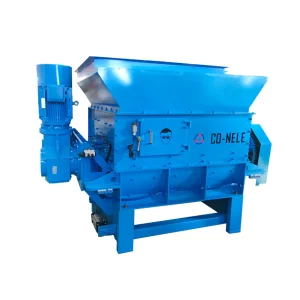
China AMS1200 Twin Shaft Asphalt Mixer Machine for Manila Highway Paving
View AMS1200 Specs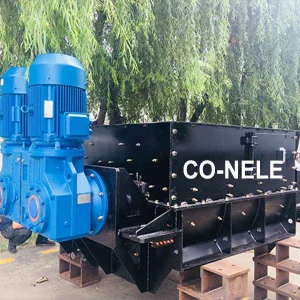
China AMS1500 High-Capacity Batch Asphalt Mixer Machine for Metro Manila Infrastructure
View AMS1500 Specs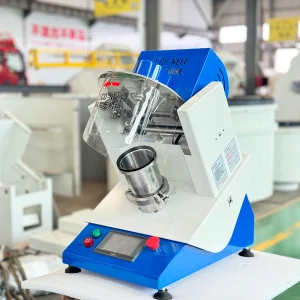
China Industrial Alumina Granulator Machine serving Philippine Ceramic & Refractory Plants
View Granulator Specs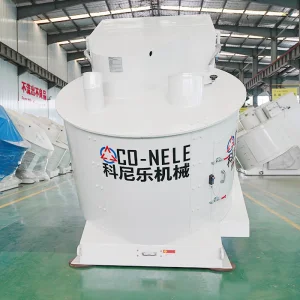
China Magnetic Material Intensive Granulator Machine for Advanced Material Processing
View Magnetic GranulatorAnalyzing the macro-economic catalysts, DPWH road paving standards, and severe tropical weather constraints governing asphalt plant performance across the National Capital Region (NCR).
The National Capital Region (NCR) of the Philippines—anchored by Metro Manila—is undergoing an unprecedented infrastructure transformation driven by the Department of Public Works and Highways (DPWH) and major public-private partnership (PPP) consortiums. Critical arteries such as the EDSA Rehabilitation Project, North Luzon Expressway (NLEX) Connector, South Luzon Expressway (SLEX) Extensions, and the Cavite-Laguna Expressway (CALAX) demand continuous, massive volumes of high-performance bituminous concrete mixes. However, operating asphalt production machinery in Manila presents extreme environmental and engineering hurdles.
Manila’s hyper-tropical maritime climate experiences rapid shifts from intense solar thermal radiation (surface temperatures exceeding 45°C) to violent flash floods during the typhoon season (June through November). Standard asphalt pavement structures fail prematurely under these conditions unless mixed with exact polymer-modified bitumen (PMB), Stone Mastic Asphalt (SMA), and carefully graded local aggregates from Rizal and Bulacan quarries. These local basalt and limestone aggregates exhibit high porosity, varied moisture absorption rates, and elevated abrasiveness, placing intense mechanical stress on traditional continuous-drum asphalt mixers.
To meet DPWH Item 310 (Bituminous Concrete Surface Course) and Item 309 (Bituminous Plant Mix Base Course) specifications, civil engineering contractors across Manila are moving away from legacy drum plants toward compulsory Twin Shaft Asphalt Mixers engineered by CO-NELE. Twin-shaft forced mixing technology guarantees micro-homogeneity by counter-rotating twin synchronized shafts fitted with CFD-optimized mixing paddles. This forces the liquid bitumen, mineral fillers, fine sands, and coarse aggregates into a dynamic 3D spatial motion pattern, ensuring 100% aggregate coating within a rapid 30-to-45 second mixing cycle, eliminating dry spots and bitumen-rich pockets that cause stripping and rutting under heavy Manila vehicular loads.
Quantifying the thermal, mechanical, and mixing performance advantages of CO-NELE dual-shaft compulsory mixing systems over legacy single-shaft and continuous drum mixers.
Dual synchronized horizontal shafts rotate inward at optimized peripheral speeds. Mixing arms are offset at 45-degree and 90-degree angles to generate intense axial and radial material turbulence, eliminating material segregation even when using rubberized asphalt or high-viscosity modified binders.
Bituminous vapor and ultra-fine mineral dust (fly ash and hydrated lime) present severe contamination risks to shaft bearings. CO-NELE twin shaft mixers feature multi-stage floating labyrinth seals backed by automated grease injection pumps, maintaining positive internal pressure to completely seal out dust.
Preventing asphalt cold-bridging is vital during tropical rainfall. The mixing trough and hydraulic rotary discharge gate are wrapped with hot thermal oil jackets or electric heating elements, maintaining uniform temperatures up to 180°C during standby periods.
| Performance Metric | CO-NELE AMS Twin Shaft Asphalt Mixer | Traditional Single-Shaft Mixer | Continuous Drum Mixer |
|---|---|---|---|
| Bitumen Coating Homogeneity (CoV) | < 2.5% (Micro-level distribution) | 5.5% - 8.0% | > 9.0% (Prone to segregation) |
| Batch Cycle Duration | 30 to 45 seconds | 60 to 90 seconds | Continuous (Uncontrolled residence) |
| High-Cr Alloy Wear Plate Hardness | Ni-Hard IV / > 65 HRC | 45 - 50 HRC Standard Steel | 38 - 42 HRC Mild Steel Trough |
| RAP (Reclaimed Asphalt Pavement) Max % | Up to 50% Integration | Max 15% - 20% | Max 25% (High emissions risk) |
| Discharge Speed & Cleanout | < 6s Dual Hydraulic Rotary Gate | 15 - 20s Pneumatic Slide Gate | Continuous Overflow Drop |
From heavy-duty container ports to high-speed arterial highways, CO-NELE twin shaft asphalt mixers supply continuous, defect-free asphaltic mixes.
EDSA experience severe night-window restrictions (10:00 PM to 4:30 AM). CO-NELE AMS1500 twin shaft asphalt mixers installed in Pasig and Valenzuela batching sites deliver high-temperature, rapid-setting SMA asphalt with consistent temperature profiles, enabling immediate roller compaction and road reopening prior to morning rush hour.
Manila South Harbor and Manila International Container Terminal (MICT) endure relentless axle weight stresses from loaded semi-trailers. Mixing dense-graded polymer asphalt (PMB) requires extreme shear torque. CO-NELE’s heavy-duty planetary gearboxes deliver non-yielding mixing force, evenly dispersing SBS polymers throughout the matrix.
Runway overlays at Ninoy Aquino International Airport (NAIA) require zero aggregate shattering and strict void content control (3.5% - 4.2%). CO-NELE twin shaft mixers feature optimized paddle angles that roll aggregate gently while coating it thoroughly, ensuring high anti-skid coefficient and water permeability resistance.
Eliminating operational downtime for Philippine contractors through regional spare parts hubs, remote IoT diagnostics, and direct engineering installation support.
Every CO-NELE twin shaft asphalt mixer built for export to the Philippines fully satisfies DPWH Blue Book requirements for mechanical batching, weighing precision, and mix thermal stability, ensuring your plant passes DPWH materials testing accreditation seamlessly.
We maintain dedicated stocking hubs for key replacement components—including Ni-Hard wear liners, paddle tips, gate seal kits, and pneumatic actuators—ensuring emergency air delivery to Manila, Batangas, or Subic within 24 to 48 hours.
Equipped with IP67-rated control cabinets, tropicalized Siemens PLC systems, heavy-duty surge protection against local grid fluctuations, and anti-corrosion marine epoxy coatings designed to withstand Manila Bay’s saline air environment.
Pioneering intelligent batching algorithms, real-time aggregate moisture compensation, and energy-efficient mixing designs for the next generation of infrastructure.
Integrating real-time infrared thermal cameras and shaft torque sensors inside the mixing chamber. The Siemens AI module automatically adjusts mixing duration based on bitumen viscosity variations caused by ambient humidity spikes in Manila.
Enabling up to 50% Reclaimed Asphalt Pavement (RAP) recycling without thermal degradation of virgin bitumen. Integrated dual-stage rejuvenated oil injection channels coat recycled aggregates thoroughly, reducing raw material costs for contractors.
Cloud-connected sensors continuously monitor gearbox vibration, shaft seal pressure, and motor power draw. Plant managers in Manila receive automatic maintenance alerts on mobile devices prior to component wear failures.
Expert answers addressing equipment selection, local installation, custom voltage configurations, and wear-part lifespans.
Compulsory twin shaft batch mixers offer precise control over batch weighing, mixing duration, and temperature. Unlike drum plants that rely on gravity flipping, twin shaft mixers use active paddle shear forces. This is vital for DPWH-spec asphalt mixes (such as SMA and PMB) requiring dense aggregate packing and exact bitumen percentages that cannot tolerate segregation during transport across congested Manila roads.
Yes. CO-NELE twin shaft mixers are equipped with renewable wear liners and paddles cast from Ni-Hard IV and high-chromium alloy steel exceeding 65 HRC hardness. In field operations across Luzon, our liner plates achieve a service life of 120,000 to 180,000 batches under highly abrasive crushing conditions before requiring bolt-on replacement.
All export units destined for the Philippines are custom-wired to match local industrial supply specs: 220V, 380V, or 440V at 60Hz. Control systems feature heavy-duty Schneider breakers, Siemens PLCs, and optional diesel-generator synchronization modules to prevent batch corruption during grid brownouts in NCR.
Manufacturing standard units takes approximately 20 to 30 days at our Qingdao facility. Shipping directly from Qingdao Port to Manila South/North Harbor takes 7 to 10 days. CO-NELE dispatches bilingual field service engineers for site foundation verification, assembly, PLC commissioning, and operator training on site.
Explore our complete machinery portfolio serving infrastructure contractors, block plants, precast producers, and laboratory testing facilities throughout Metro Manila and worldwide.
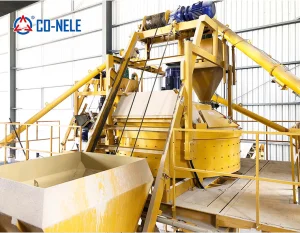
China Concrete Batching Plant for Manila Road Bricks & Pavement Blocks
View Batching Plant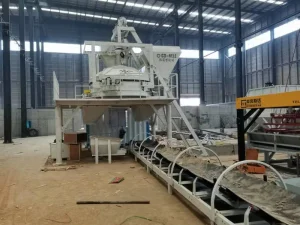
China Precast Wall Panel Planetary Concrete Mixer for Manila PC Plants
View Precast Mixer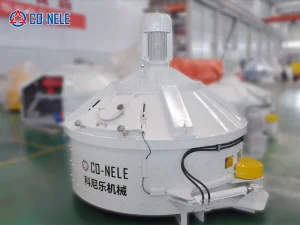
China UHPC Ultra-High Performance Concrete Mixer for Manila Bridge Decking
View UHPC Mixer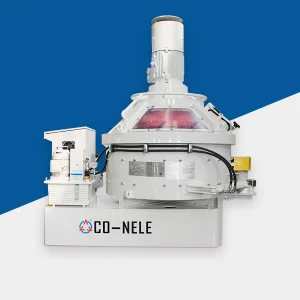
China Laboratory Refractory Mixer Machine for Philippine Testing Labs
View Lab Refractory Mixer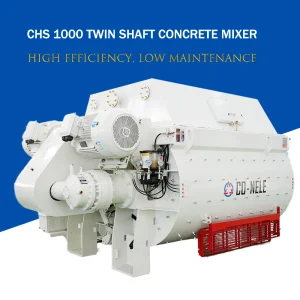
China CHS1500/1000 Heavy-Duty Twin Shaft Concrete Mixer for Manila Commercial Readymix
View CHS Twin Shaft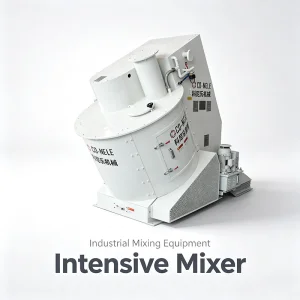
China High Intensive Castable Mixer Machine serving Philippine Industrial Smelters
View Intensive Mixer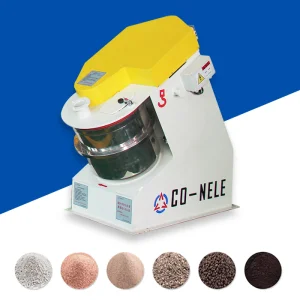
China CQM10 R&D Laboratory Intensive Mixer for University & Industrial Material Formula Testing
View CQM10 Specs
China 40m3/h Mobile Concrete Batching Plant MBP10 for Rapid Highway Paving across Luzon
View Mobile MBP10 PlantContact our senior technical sales director today for customized plant layout engineering, DPWH mix design consulting, and direct factory pricing.
Send Inquiry Now