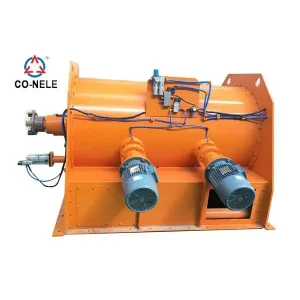
Single Shaft High-Speed Dry Mortar Mixer for Vietnam Tile Adhesive Lines
Explore Technical Specs

Engineered for high-viscosity tile adhesives, skim coats, precast element batching, and high-shear mortar formulations.
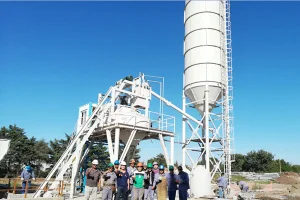
Analyzing macroeconomic drivers, urbanization metrics, and the shift from jobsite-mixed wet mortar to factory-prepared dry powder mortar systems in Southeast Asia.
The Socialist Republic of Vietnam is experiencing one of the most dynamic infrastructure and real estate expansion phases in Southeast Asia. Driven by rapid urbanization across metropolitan hubs such as Ho Chi Minh City, Hanoi, Da Nang, and Haiphong, as well as massive foreign direct investment (FDI) into industrial zones (such as VSIP, Amata, and Bac Ninh), the demand for high-performance construction materials has reached an unprecedented scale. Historically, the local construction market relied heavily on traditional jobsite sand-cement mixing—a process notorious for micro-crack formation, inconsistent compressive strength, material wastage, and labor inefficiency.
Today, national regulatory shifts, environmental mandates, and technical building standards (such as TCVN 7239:2014 for dry-mixed mortar and TCVN 9035:2011 for tile adhesives) are accelerating a systemic transition toward factory-produced dry powder mortar. Modern architectural requirements—such as large-format porcelain tiling, External Insulation and Finish Systems (EIFS/ETICS), self-leveling floor screeds, waterproofing renders, and repair mortars—demand complex chemical formulations. These formulas integrate Portland cement, graded silica sand, hydrated lime, cellulose ethers (HPMC/HEMC), redispersible polymer powders (VAE/RDP), and air-entraining agents that cannot be combined on-site without heavy-duty industrial dry powder mortar mixers.
SEO & Engineering Insight: Achieving technical compliance under Vietnam's humid tropical conditions requires dry powder mortar mixing plants that combine mechanical fluidization, zero dead-zone agitation, and hermetically sealed pneumatic dosing. China-manufactured advanced single-shaft plowshare and twin-shaft mixers provide the ultimate balance of high throughput and precision micro-ingredient dispersion.
Deep dive into the mechanical engineering of single-shaft plowshare mixers, high-speed chopper knives, and micro-additive homogenization.
Our single shaft dry mortar mixers operate at calculated Froude numbers (Fr > 3.0), throwing dry raw materials into a three-dimensional fluidized weightless zone where particles intermingle regardless of bulk density differences.
Integrated side-mounted choppers operating at 1,440–2,880 RPM instantly shear fiber agglomerates, cellulose ethers, and pigments, eliminating clumping without overheating sensitive polymer additives.
Equipped with dual-seal rotary discharge doors and air-purge shaft seals that prevent fine powder leakage (down to 5 microns) while enabling full batch evacuation in under 12 seconds.
Selecting the optimal mixing machine configuration depends heavily on product recipes, daily tonnage goals, and particle size distributions. Below is a structural engineering comparison matrix designed for technical procurement managers evaluating Chinese mixing equipment for Vietnamese factories.
| Mixer Architecture | Kinematic Principle | Suitable Dry Mortar Types | Batch Cycle Time | Coeff. of Variation (CV) |
|---|---|---|---|---|
| Single Shaft Plowshare Mixer | Mechanically Fluidized Bed + Chopper Shear | Tile Adhesives (C1/C2), ETICS Renders, Skim Coat, Repair Mortar | 45 – 90 Seconds | < 2.5% |
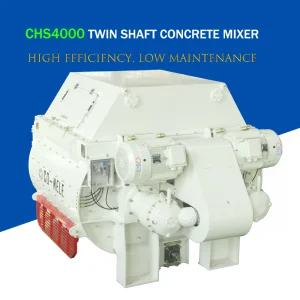
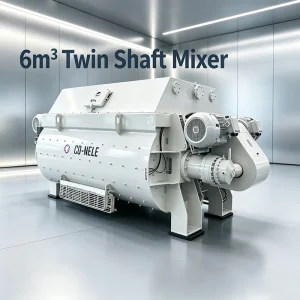
| Twin Shaft Non-Gravity Mixer | Counter-Rotating Paddle Weightless Interlock | Masonry Mortar, Standard Plaster, Block Jointing Mortar | 30 – 60 Seconds | < 4.0% |
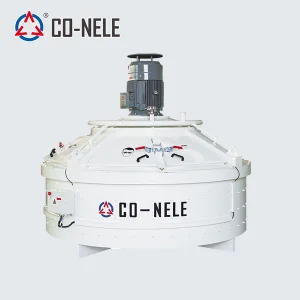
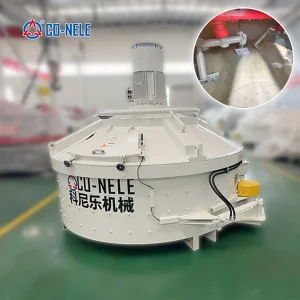
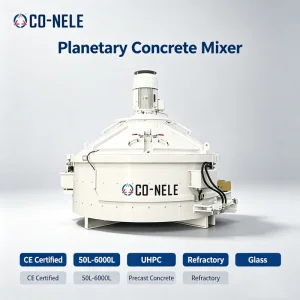
| Planetary Counter-Current Mixer | Vertical Planetary Rotation + Scraper Arms | UHPC Mortar, Refractory Castables, Pigmented Dry-Cast Concrete | 60 – 120 Seconds | < 1.5% |
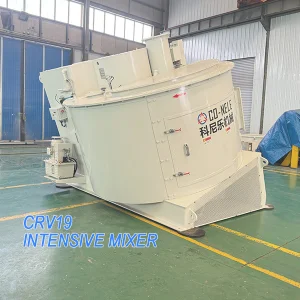
| Intensive High-Speed Mixer | Inclined Vessel + High-Energy Rotor | Technical Ceramics, Ultra-Fine Micro-Mortars, Battery Granulation | 90 – 180 Seconds | < 1.0% |
Addressing humidity control, electrical grid standards, local installation logistics, and customs clearance protocols.
Exporting heavy mixing machinery from China to Vietnam requires more than standard manufacturing; it calls for precise engineering adaptations to handle Vietnam's tropical monsoonal environment. High ambient humidity (often exceeding 85% RH) and high temperatures can cause premature caking of dry cementitious powders, corrosion of electrical control cabinets, and wear on drive components.
Seamless Cross-Border Logistics: Located in Qingdao, China, our manufacturing complex provides direct maritime shipping to major Vietnamese ports including Cat Lai (Ho Chi Minh City), Hai Phong Port, and Da Nang Port. Turnkey installation guidance is delivered by our dedicated field engineering team based in Southeast Asia.
Evaluating CAPEX vs. OPEX advantages of partnering with a premier Chinese machinery manufacturer.
When international EPC contractors and Vietnamese building material conglomerates evaluate dry mortar plant investments, the decision rests on Total Cost of Ownership (TCO). While European machinery manufacturers carry exorbitant upfront Capital Expenditure (CAPEX), low-grade local assemblers often suffer from high Operational Expenditure (OPEX) due to frequent gearbox failures, uneven chemical distribution, and premature liner wear.
As an established Chinese machinery manufacturer with over 20 years of specialized mixing R&D and over 80 granted patents, our mixing equipment strikes the perfect balance: European-grade precision kinematics at highly competitive Chinese direct-factory pricing.
Direct factory procurement eliminates intermediary markups, providing full automated dry mortar production lines at a fraction of European equipment quotes.
Optimized blade drag angles and high-efficiency planetary gearboxes reduce energy consumption to under 1.8 kWh per ton of mixed dry powder mortar.
Integrated loss-in-weight batching feeders achieve micro-additive dosing precision of ±0.1%, preventing costly over-dosing of expensive polymers and HPMC.
Pioneering low-carbon calcined clay mortars, AI-driven moisture adjustment, and IoT remote diagnostics for Southeast Asia.
The global construction industry's drive toward Net-Zero carbon emissions is reshaping raw material choices. In Vietnam, cement producers and mortar manufacturers are increasingly substituting clinker with supplementary cementitious materials (SCMs) such as ground granulated blast-furnace slag (GGBS), pulverized fly ash (PFA), and activated calcined clays (LC3 systems).
These eco-friendly low-carbon formulations exhibit higher fineness, varied bulk densities, and challenging rheological behaviors. Our forward-looking machinery design integrates Variable Frequency Drives (VFDs) and Smart Load Sensors that dynamically adjust mixing intensity based on real-time motor torque feedback. Furthermore, our PLC control architecture connects directly to cloud-based SCADA systems, enabling plant managers in Ho Chi Minh City or Hanoi to monitor batch reports, component wear levels, and preventive maintenance alerts on their smartphones.
Direct answers from our process engineering team to guide procurement decisions for Vietnamese projects.
Tile adhesives contain light cellulose ethers (HPMC) and heavy sand grains. A conventional ribbon blender relies solely on gravity displacement, which often leads to material segregation and long batch cycle times (5–10 minutes). A single-shaft plowshare mixer operates on the mechanical fluidization principle (Froude number > 3), creating a weightless mixing zone. Combined with high-speed side choppers, it achieves complete micro-homogeneity in 45 to 60 seconds without heat buildup, preventing thermal degradation of delicate additives.
Quartz sand commonly mined in Vietnam (such as from Cam Ranh or Quang Ninh) has high silica content (SiO2 > 98%) and extreme abrasiveness. Our dry mortar mixers feature replaceable, bolt-on wear liners cast from High-Chrome Alloy (Cr26) or constructed from Hardox 500 steel plates. Under continuous production, these liners typically last between 100,000 to 150,000 batch cycles before requiring simple field replacement.
We provide full engineering documentation including 3D plant layout drawings, civil foundation blueprints, and electrical schematic diagrams. Upon equipment arrival at your site in Vietnam, we dispatch experienced field engineers for mechanical assembly, PLC software integration, trial batch commissioning, and local operator training. Remote technical support via video diagnostic tools is available 24/7.
Yes. Our mixing systems are designed for seamless integration into turnkey automated production lines. The discharge surge hopper below the mixer connects directly to impulse pneumatic valve-bag packing machines, automated check-weighers, ultrasonic bag sealers, and robotic palletizing cells, ensuring clean, high-speed output up to 15–25 tons per hour.
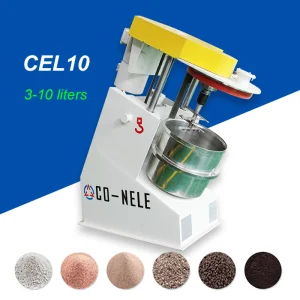
Explore our complete range of compulsory mixers, intensive granulators, and precast batching solutions.
Contact our senior technical sales engineers today to receive customized plant layout designs, material testing reports, and competitive factory-direct quotations.
Send Inquiry Now