
CO-NELEMixing & Granulation
Engineered for maximum mixing homogeneity, rapid deployment, and operational durability under tough site conditions.
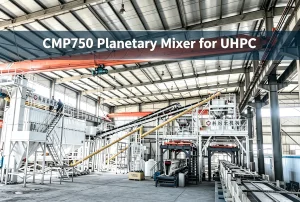
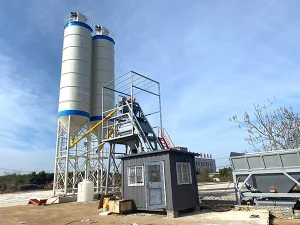
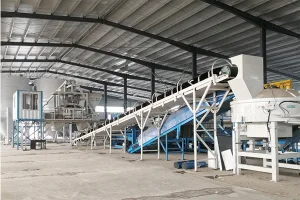
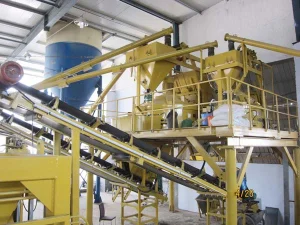
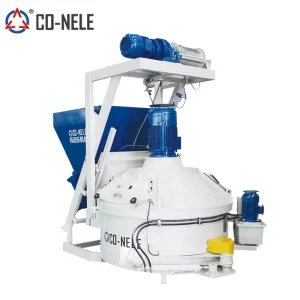
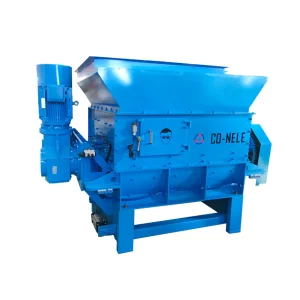
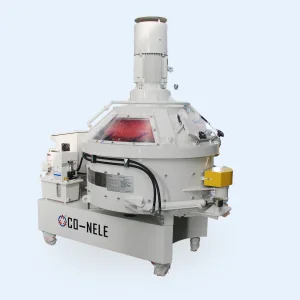
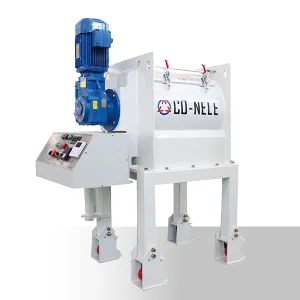
Analyzing capital expenditure (CAPEX), technological evolution, and structural price variations across modern mobile concrete mixing installations.
The global demand for mobile concrete batching plants has accelerated significantly, driven by large-scale linear infrastructure—such as high-speed rail corridors, remote highway expansions, dam construction, and renewable energy projects (wind farm foundations). As contractors face tighter project timelines, stricter environmental regulations, and escalating civil engineering setup costs, the traditional preference for heavy, permanent stationary batching plants has evolved toward high-efficiency, quick-deploy mobile architectures.
When evaluating a China Mobile Batching Plant Price from an established manufacturer, global procurement teams must look beyond initial sticker price. Modern pricing is dictated by core mechanical engineering, structural steel integrity, batching accuracy (sensor precision), gearbox torque ratings, and the degree of automation. China's industrial equipment sector, led by specialized OEMs like Qingdao CO-NELE Machinery Co., Ltd., has systematically restructured the cost-to-performance ratio globally, delivering European-grade planetary and compulsory twin-shaft mixing systems at a fraction of Western capital expense.
Several pivotal technical parameters define the pricing hierarchy among top Chinese manufacturers:
| Plant Capacity / Model Type | Core Mixer Architecture | Ideal Application Scenario | Estimated FOB China Price Range (USD) | Key Value Drivers |
|---|---|---|---|---|
| MBP08 / Small Mobile (25–30 m³/h) | Twin Shaft / Small Planetary | Rural roads, small bridges, foundation piling | $28,000 – $45,000 | Compact footprint, fast 1-day setup, low power draw. |
| MBP15 / Medium Mobile (50–60 m³/h) | CHS Twin Shaft / CMP1000 Planetary | Commercial ready-mix, highway sections, culverts | $55,000 – $88,000 | Automated aggregate dosing, pneumatic discharge, towable. |
| MBP20 / Large Mobile (75–90 m³/h) | High-Shear Twin Shaft (CHS2000) | Major infrastructure, airport runways, dam projects | $95,000 – $145,000 | High volumetric yield, dual cement scale weighing, multi-silo control. |
| Specialized UHPC / Precast Mobile Unit | CMP Series Counter-Current Planetary | Offshore wind grout, precast wall panels, UHPC bridges | $110,000 – $230,000 | Fibre dispersion tech, extreme shear torque, moisture auto-compensation. |
How international EPC contractors evaluate technical specifications, operational flexibility, and total life-cycle cost when sourcing Chinese equipment.
Analyzing not only purchase cost, but energy consumption per cubic meter (kWh/m³), maintenance downtime, replacement part availability, and scrap value.
Ensuring compliance with CE markings, ISO 9001 certification, DIN standards, and local electrical standards (220V/380V/415V/440V at 50/60Hz).
Sizing modules to fit standard 40ft High Cube (40HC) ocean shipping containers, mitigating international freight premiums and simplified road transit.
Enterprise procurement teams in North America, Europe, the Middle East, and Southeast Asia require robust risk mitigation when sourcing heavy machinery. Buying a mobile batching plant is an investment in site production continuity; a breakdown during a continuous foundation pour can result in tens of thousands of dollars in lost labor, spoiled concrete, and contract penalties.
Therefore, top-tier Chinese manufacturers emphasize non-destructive testing (NDT) of welds, dynamic load testing of gearboxes on dedicated factory test benches, and pre-assembly commissioning before overseas export. By selecting an original equipment manufacturer (OEM) with direct casting, machining, and reducer production capabilities—such as CO-NELE—buyers avoid the quality control risks associated with trading companies that aggregate components from unverified sub-suppliers.
Inside Qingdao CO-NELE's 30,000 m² advanced production ecosystem: How vertical integration yields superior equipment quality at competitive pricing.
Unlike assemblers who buy commercial off-the-shelf gearboxes, CO-NELE designs and manufactures specialized vertical planetary gear reducers in-house, specifically built to handle severe shock loads.
Located in Shandong's heavy industrial cluster, access to premium steel mills, high-chrome foundries, and automated laser-cutting facilities guarantees short lead times and stable pricing.
Automated robotic welding cells and large-scale floor-type CNC boring machines ensure structural alignment within sub-millimeter tolerances, extending mechanical bearing and seal life.
China's Industry 4.0 transformation has fundamentally shifted the global equipment manufacturing landscape. In the past, buyers sacrificed structural longevity for lower purchase costs when choosing Asian machinery. Today, leading Chinese factories combine advanced manufacturing technology with deep supply chain integration, achieving operational efficiencies that European and American manufacturers struggle to match on cost.
At CO-NELE's three production bases in Qingdao, quality management is embedded at every stage of production. From raw steel plate ultrasonic inspection to shot-blasting, anti-corrosion marine painting, electrical PLC wire harness testing, and 72-hour continuous trial runs, every mobile batching plant is certified prior to container loading. This rigorous process eliminates field startup delays for international buyers.
From high-altitude tunnel construction to offshore marine grouting: Where mobile concrete plants deliver decisive operational edges.
Paired with planetary mixers to deliver high-uniformity, color-consistent dry-cast concrete for architectural wall panels, pavers, drainage pipes, and structural beams.
Compact mobile UHPC mixing units fitted on jack-up barges for offshore wind turbine foundation anti-scour grouting and long-span cable-stayed bridge joints.
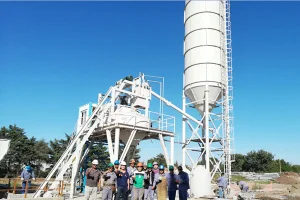
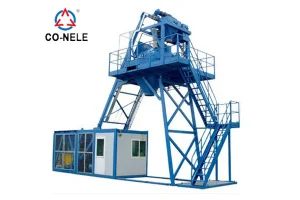
Quick-moving trailer plants that relocate along expressway right-of-ways, drastically cutting concrete transit time, mixer truck fuel consumption, and slump loss.
Selecting the correct mixer engine inside your mobile plant determines mix versatility and output velocity. The breakdown below clarifies when to specify each system:
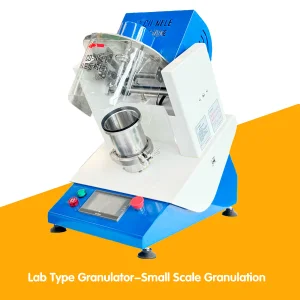
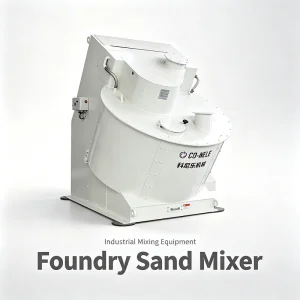
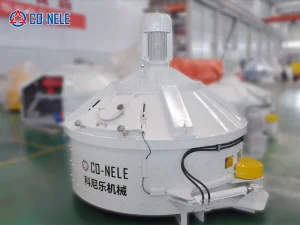
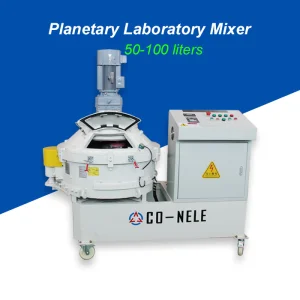
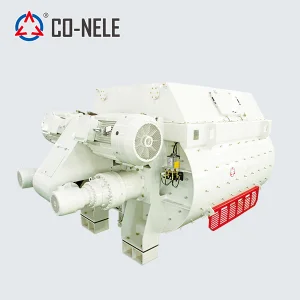
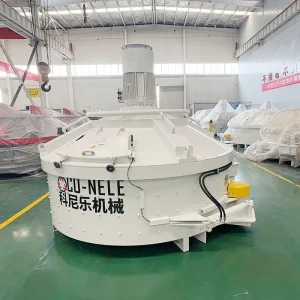
Explore our specialized industrial mixing portfolio engineered for ceramics, refractory, dry mortar, and laboratory formula development.
Authoritative technical answers from CO-NELE's senior mixing engineers regarding procurement, pricing, operations, and logistics.
Connect directly with our Qingdao process engineering team to review raw materials, calibrate mixing kinematics, and request a detailed commercial proposal.