CO-NELEMixing & Granulation
Direct factory-priced heavy mixing machinery engineered for concrete precasting, high-density refractories, chemical pelletizing, and ultra-high-performance concrete (UHPC) applications.
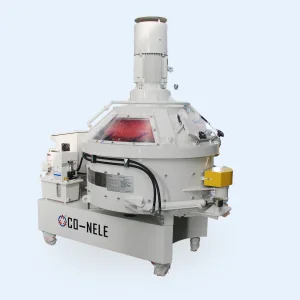
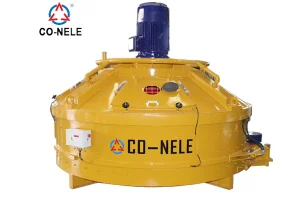
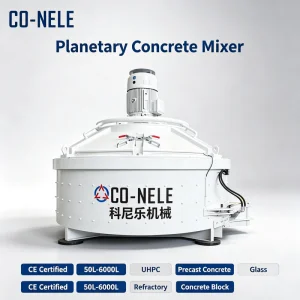
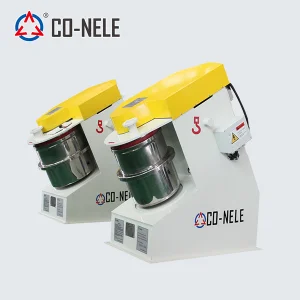
The global commercial construction, precast concrete, and high-performance material synthesis industries are undergoing a massive transformation. Navigating procurement costs for heavy machinery requires understanding why Chinese mixing equipment manufacturers maintain an unshakeable competitive margin globally.
China's industrial machinery sector—particularly concentrated in Shandong manufacturing hubs such as Qingdao—benefits from unmatched raw material and component integration. From specialized foundry casting of high-chromium alloys (Cr26Ni4) for wear liners to precision machining of heavy-duty planetary gear reducers, 95% of components are sourced within a 50 km industrial radius. This lowers production overheads while maintaining strict quality control.
Historically, European manufacturers dominated the planetary gearbox space. Leading Chinese manufacturers like Qingdao CO-NELE Machinery Co., Ltd. have invested decades into dedicated torque gearbox engineering. Owning the technology for co-axial and planetary transmission prevents reliance on third-party suppliers, drastically driving down equipment list prices without sacrificing load capacity or mechanical reliability under continuous peak stress.
Manufacturing thousands of counter-current planetary mixers, intensive granulators, and batching plants annually creates structural cost efficiencies. Standardization of structural steel frames, standardized pneumatic discharge door assemblies, and universal bolt-on liner configurations allow Chinese factories to maintain massive inventory pools, delivering shorter lead times (typically 15 to 30 days) compared to 16-24 weeks from European vendors.
Pricing for industrial concrete mixers varies substantially depending on volume capacity, discharge mechanics, gear system complexity, and metallurgy customization. The table below presents estimated benchmark factory pricing (FOB China Port) across standard machine categories to guide institutional procurement budgeting.
| Equipment Category | Model Examples | Batch / Output Capacity | Estimated Price Range (USD FOB) | Primary Industrial Application |
|---|---|---|---|---|
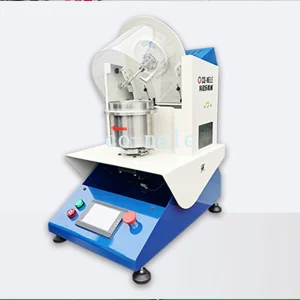
| Lab & Pilot Intensive Mixers | CEL01, CEL05, CR02 | 5 L - 75 L / Batch | $4,500 – $18,000 | R&D material labs, ceramic powder test, UHPC formula research. |
| Small Planetary Concrete Mixers | MP100, MP250, CMP375 | 100 L - 375 L (0.1 - 0.375 m³) | $8,500 – $22,000 | Color paving bricks, curbstone precast, specialized laboratory testing. |
| Mid-Range Planetary Mixers | CMP750, CMP1000, CMP1500 | 750 L - 1500 L (0.75 - 1.5 m³) | $25,000 – $58,000 | High-end precast elements, concrete pipe/pole production, dry-cast block. |
| Large Heavy-Duty Planetary Mixers | MP2000, MP3000, MP4000 | 2000 L - 4000 L (2.0 - 4.0 m³) | $65,000 – $140,000 | Mass concrete infrastructure, dams, high-capacity precast yards, UHPC. |
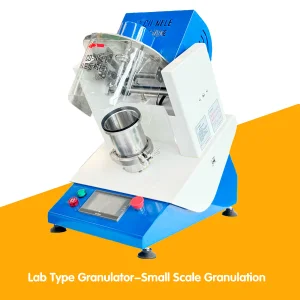
| Specialized Intensive Granulators | 750L Granulator, Bentonite Line | 250 L - 1000 L / Batch | $35,000 – $95,000 | Proppants, fertilizer pelletizing, battery powder, refractory granules. |
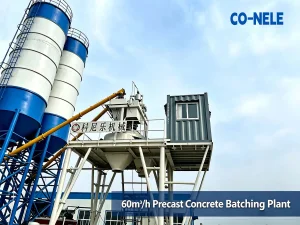
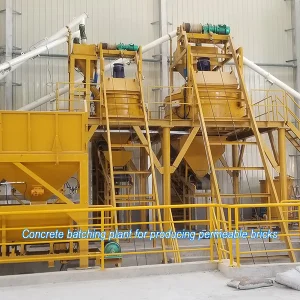
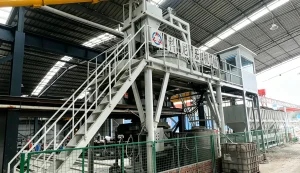
| Compact Precast Batching Plants | HZS50, HZS60, CBP150 | 50 m³/h - 60 m³/h Output | $75,000 – $160,000 | Permeable brick yards, concrete pole production, modular jobsite mixing. |
| High-Output Ready-Mix Plants | HZS120, HZS180 Stationary | 120 m³/h - 180 m³/h Output | $180,000 – $450,000 | Commercial ready-mix concrete suppliers, mega highway/bridge projects. |
1. Transmission & Gearbox Design: Planetary vertical shaft gearboxes cost 30-40% more than basic twin-shaft horizontal gear sets due to complex sun-and-planet gear arrangements that ensure zero dead-angle mixing.
2. Wear Parts Metallurgy: High-chromium alloy liners (Hardness ≥ 60 HRC) increase initial purchase cost by 15% but deliver 3x to 4x longer operational life compared to standard Q235 steel or manganese liners.
3. Automation & Control Systems: Full Siemens PLC integration with moisture probe tracking (microwave sensors) adds $8,000-$15,000 to plant pricing but guarantees concrete slump consistency and reduces cement wastage by up to 4%.
Traditional gravity drum mixers and basic twin-shaft forced-action mixers are fast becoming insufficient for modern high-performance materials. Industrial specifications now demand extreme homogeneity, rapid cycle times, and zero segregation.
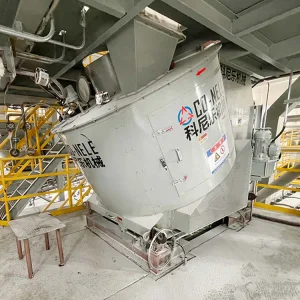
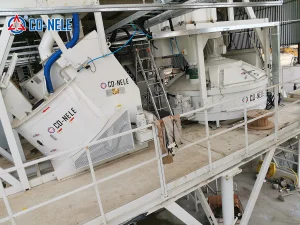
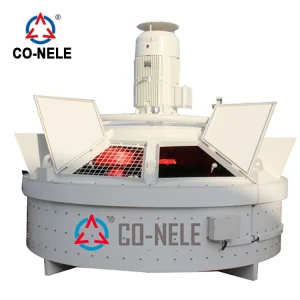
Unlike standard vertical pan mixers where arms rotate on a fixed axis, counter-current planetary mixers rotate mixing blades on their own axis while simultaneously revolving around a central point. This dual-kinematic motion ensures every cubic centimeter of material is swept twice every few seconds, eliminating dead zones, breaking agglomerates, and distributing pigments or steel fibers perfectly throughout the batch.
UHPC recipes feature extremely low water-to-binder ratios (w/b < 0.20), high silica fume concentration, and heavy steel fiber reinforcement. Twin shaft mixers often suffer from fiber balling and overheating under high shear effort. Planetary counter-current mixers provide intense mechanical energy input without excessive thermal build-up, enabling full hydration of micro-powders and uniform fiber dispersion essential for >150 MPa compressive strength.
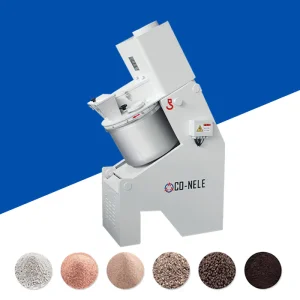
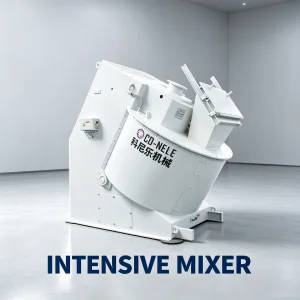
In modern ceramics, refractories, bentonite, and powder metallurgy, traditional batch tumbling is being replaced by intensive mixer-granulators (such as the CEL and CR series). By altering pan rotation speeds and high-speed rotor velocity, operators can mix, moisten, and form highly spherical granules (0.5 mm to 8 mm) in a single enclosed vessel with 90%+ target yield and zero dust emissions.
From architectural concrete components to refractory furnace linings and chemical granulates, selecting the right mixer architecture is critical for operational profitability.
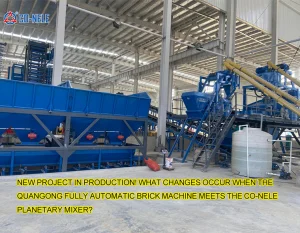
Challenge: Producing colored pavement bricks, kerbstones, and permeable eco-bricks requires absolute color consistency from batch to batch, zero surface voids, and rapid discharge to keep automated block machines running continuously.
Solution: Integrating CMP series planetary mixers or CBP batching plants. The counter-current mixing action homogenizes dry pigments into fine aggregates within 30 seconds before water injection, preventing color streaking and ensuring crisp block edges.
Challenge: Concrete pole (such as the 60m³/h Precast Plant system) and pipe spun casting demands low-slump, high-early-strength concrete recipes that bond aggressively around prestressed steel tendons.
Solution: Planetary mixers paired with automated aggregate skip hoists and precise moisture sensors ensure zero batch variance, allowing precast yards to strip molds faster and achieve higher daily turnaround rates.
Challenge: Refractory castables contain highly abrasive aggregates (corundum, silicon carbide) and synthetic binders that ruin standard mixers within months.
Solution: Heavy-duty planetary and intensive mixers equipped with diamond-grade tungsten carbide-coated blades and bolt-on ceramic or Ni-Hard liners. Machinery handles high-density, low-moisture mixes with minimal wear degradation.
Challenge: Chemical and mining applications require converting dry micro-powders into dense, uniform granules without energy-intensive spray drying processes.
Solution: CEL05 and CR series intensive granulators. Utilizing an inclined pan design and variable speed rotor tools, powders are wetted and aggregated into controlled sphere distributions with minimal binder consumption.
When global engineering EPCs, concrete plants, and industrial buyers evaluate Chinese manufacturing partners, initial purchase price (CAPEX) is only one variable. Evaluating Total Cost of Ownership (TCO) ensures long-term operational success.
Ensure the manufacturer holds valid ISO9001 quality system certification and CE compliance mark for Europe, along with UL/CSA compliance for electrical cabinets supplied to North America. Electrical panels should feature Siemens, Schneider, or ABB breakers with multi-language PLC touch-screen interfaces.
Industrial power supplies vary globally: 380V 50Hz (China/Europe), 460V/480V 60Hz (USA/North America), 415V 50Hz (UK/Australia/India), or 220V 60Hz (Parts of South America). Verified OEMs build custom motor windings and hydraulic power packs matched specifically to the destination country grid.
Downtime in a ready-mix or precast plant costs thousands of dollars per hour. Choose factory designs that utilize modular, bolt-on wear plates and standardized mixing arms. Verify that replacement liners, seals, and discharge gates ship globally via DHL/FedEx or standard sea freight from stocked warehouses within 48 hours.
Explore secondary specialized equipment including bentonite granulators, intensive lab units, high-output ready-mix batch plants, and large-scale planetary mixers.