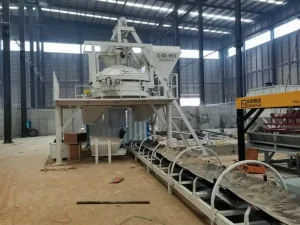
What size twin shaft concrete mixer should a Gaziantep ready-mix plant choose?
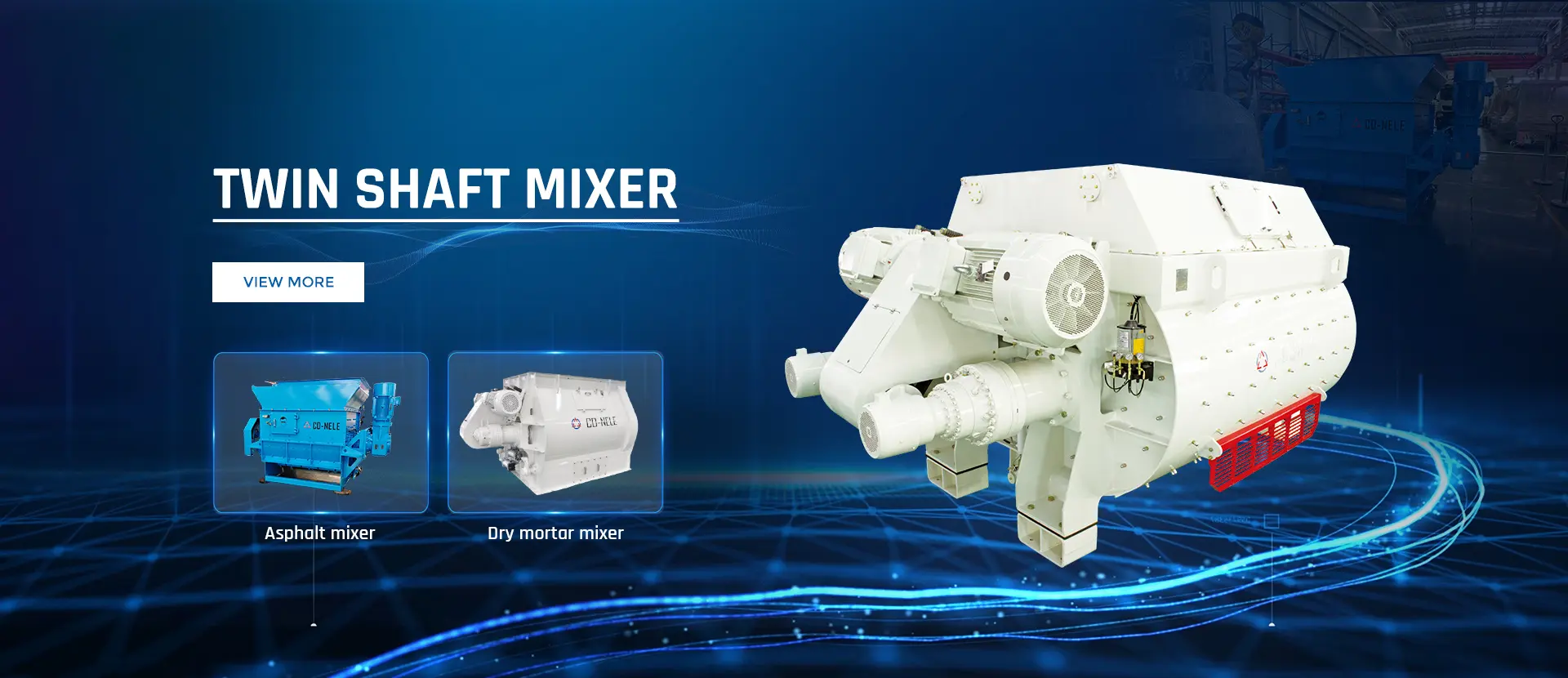
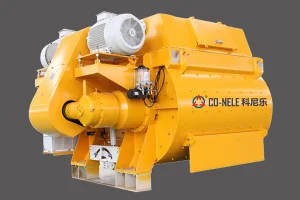
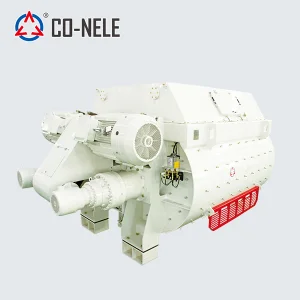
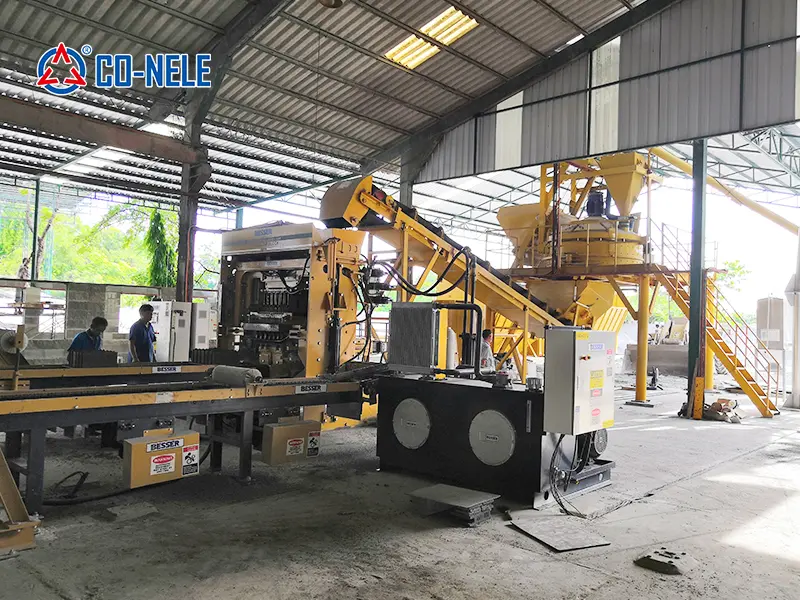
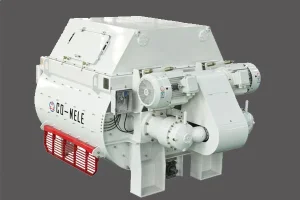
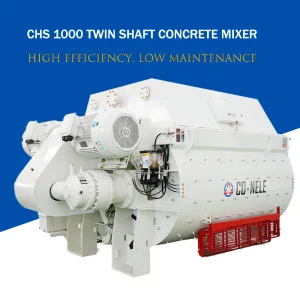
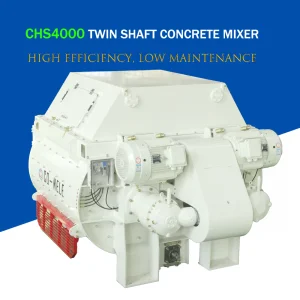
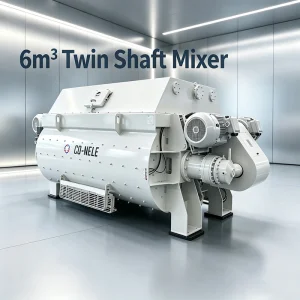
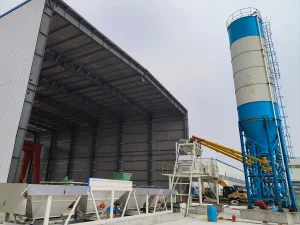
Start from actual truck-cycle demand, not the brochure output. A plant rated at 90 m³/h may deliver 55–70% of theoretical output once loading, mixing, discharge and truck exchange are counted. For many Gaziantep commercial plants, a 2–3 m³ twin shaft mixer inside an HZS90–HZS120 plant is a practical balance. For larger infrastructure supply, 4–6 m³ mixers in HZS150–HZS180 configurations may be justified. Confirm aggregate bin volume, cement silo capacity and admixture dosing before finalising the mixer size.
Can one twin shaft mixer handle both ready-mix and precast concrete in Gaziantep?
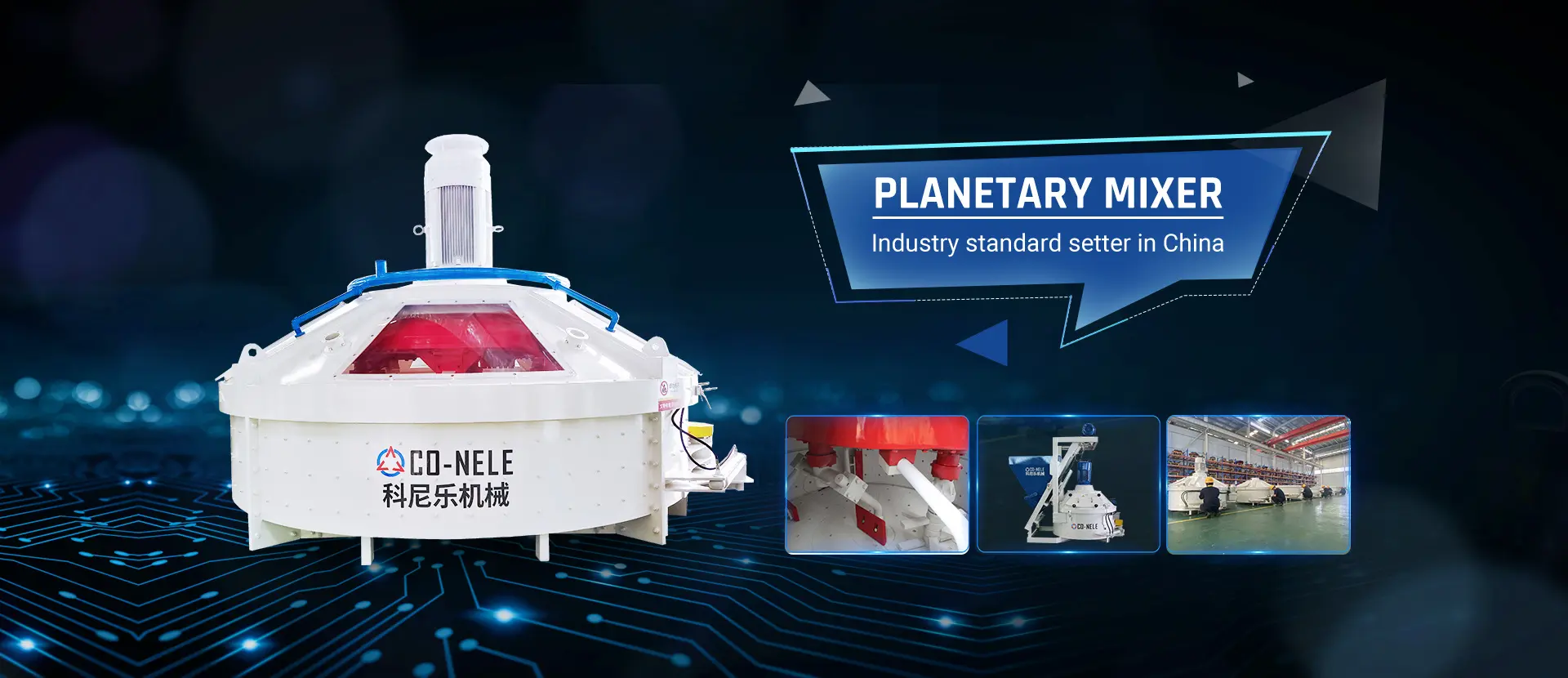
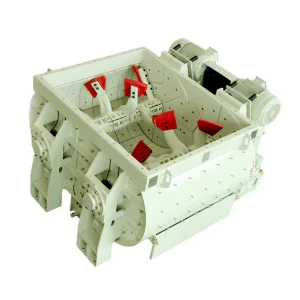
Yes, with disciplined recipe management and realistic performance expectations. Twin shaft mixers are excellent for high-volume wet concrete. However, architectural precast, coloured products, GFRC or UHPC may require a planetary counter-current mixer or a dedicated high-shear platform to protect surface finish and fibre dispersion. If the product portfolio is broad, a mixed plant layout—twin shaft for mainstream concrete and planetary for premium mixes—is often more commercially robust than forcing one mixer to do everything.
Which documents should a Gaziantep buyer request with the mixer and plant?
At minimum, request the technical layout, foundation loading drawings, electrical drawings, operation and maintenance manuals, lubrication schedule, spare-part list, motor and reducer data, inspection records and warranty terms. CE-compliant electrical design can be specified on request. For concrete compliance, the project’s mix design, testing plan, TS EN 206 requirements and TBDY 2018 structural checks remain the responsibility of the project team and local approval process.
How do you control wear when Gaziantep aggregates are abrasive?
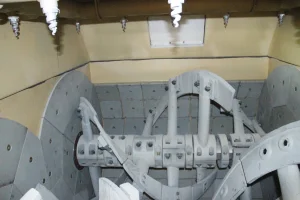
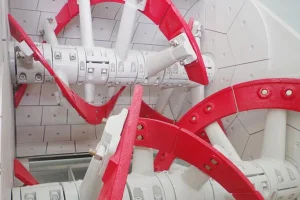
Specify high-chrome wear liners, replaceable arm tips, protected shaft ends and accessible discharge gate seals. Ask for liner thickness, material grade and replacement procedure. The maintenance plan should include regular inspection of mixing arms, pan or trough liners, gate seals and lubrication points. For high-utilisation plants, keep a first-year wear-part kit in stock and agree the replenishment lead time before commissioning.
What is the typical shipping route from China to Gaziantep?
Most equipment moves by sea freight from a Chinese port, with Mersin or Iskenderun as common regional gateways, followed by road transport to Gaziantep. Some large plant modules may require flat-rack or break-bulk arrangements. Final routing, packing, lifting points, customs documentation and inland delivery should be confirmed in the quotation. Buyers should also confirm whether unloading and site storage equipment are available at the Gaziantep site.
Can CO-NELE test our local cement, fly ash and aggregates before we order?
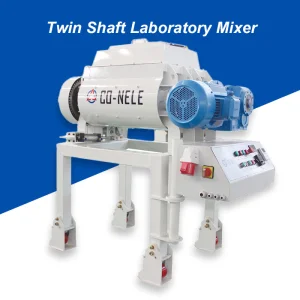
Yes. The Qingdao laboratory operates lab-scale mixing and granulation equipment from 5 to 75 litres. For a meaningful trial, send 10–20 kg of representative powder or aggregate with target particle size, moisture window, required capacity and the intended application. The process team can return a test report covering mixing behaviour, homogeneity indicators, cycle time, wear observations and recommended production model with scale-up considerations.
What spare parts should a Gaziantep plant stock initially?
A practical first-year kit includes mixing arms or blades, liner plates, shaft-end seals, discharge gate seals, hydraulic hoses, proximity switches, pressure and temperature sensors, lubrication consumables and critical electrical spares. The exact list depends on the model, shift pattern and aggregate abrasiveness. CO-NELE can provide a recommended list based on the selected twin shaft mixer and batching plant configuration.
How is installation and after-sales support handled for a Gaziantep project?
Support can be structured around drawings, remote video commissioning and, where specified, resident engineer attendance. The buyer’s Turkish civil contractor normally handles foundations and local erection, while the supplier provides technical supervision, wiring checks, commissioning procedures and operator training. A 12-month warranty on the drive unit is typical for export projects, with warranty details confirmed in the final contract. Spare parts ship from Qingdao stock or agreed production batches.