
CO-NELEMixing & Granulation
Engineered for high-volume asphalt output, modified bitumen blending, and extreme temperature resilience across Pakistan's terrain.
Navigating the China-Pakistan Economic Corridor (CPEC) Phase II, National Highway Authority (NHA) standards, and extreme climate considerations.
Pakistan’s transportation framework is undergoing a generational shift. As the China-Pakistan Economic Corridor (CPEC) advances into its industrial and logistical expansion phase, the National Highway Authority (NHA) of Pakistan has mandated stringent quality parameters for pavement construction. Projects spanning the M-8 motorways, Karakoram Highway upgrades, Karachi-Lahore arterial links, and urban bypasses in Faisalabad and Rawalpindi demand asphalt concrete mixtures capable of enduring severe environmental stresses.
To satisfy NHA Section 300 specifications for Hot Mix Asphalt (HMA), Stone Mastic Asphalt (SMA), and Polymer Modified Bitumen (PMB), contractor consortiums across Pakistan are transitioning from traditional continuous drum mixing to compulsory Twin Shaft Batch Asphalt Mixers imported directly from specialized Chinese manufacturing hubs.
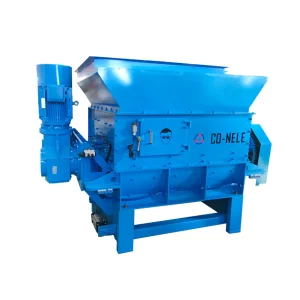
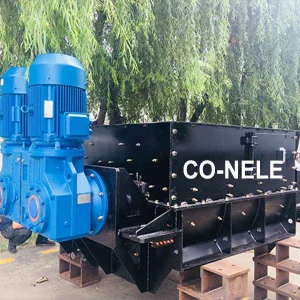
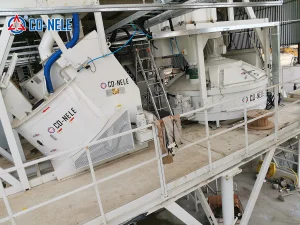
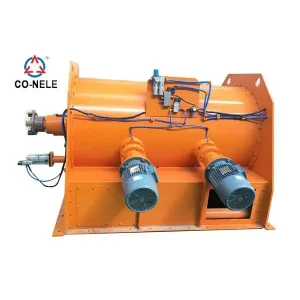
Unlike single-shaft paddle mixers or continuous drum plants, a twin shaft asphalt mixer utilizes synchronized, counter-rotating dual horizontal shafts equipped with high-chrome alloy paddles arranged in a forced-turbulence spiral configuration. This spatial arrangement imparts three-dimensional fluidization to aggregates ranging from 0-0.075mm mineral fillers up to 40mm coarse aggregates.
When hot bitumen is injected under pneumatic atomization into this fluidized zone, full microscopic encapsulation of aggregate surfaces occurs within 15 to 20 seconds of paddle interaction. This rapid encapsulation prevents local thermal degradation of the bitumen while guaranteeing zero dry pockets or binder pooling—a critical dynamic when working with viscous PMB grade 60/70 or 80/100 bitumen prevalent in Pakistan refineries (Attock Refinery Limited and National Refinery Limited).
A granular look at wear-resistance alloys, thermal isolation, synchronization gearboxes, and automated dosing integration.
Equipped with interchangeable Ni-Hard alloy cast liners exceeding 65 HRC hardness. Built to handle abrasive quartzite and granite aggregates sourced from Punjab and Khyber Pakhtunkhwa quarries without structural wear for over 150,000 batches.
Heavy-duty timing gears housed in oil-bath gearboxes prevent shaft phase slippage. The design isolates drive motors from high mixing temperatures (160°C - 190°C), eliminating gear tooth shearing during cold-start emergency restarts.
Maintains uniform temperature across the mixing drum shell through thermal oil jacket circulation. Prevents asphalt binder from cooling and sticking to interior walls during batching delays or ambient night-shift drops.
To assist Pakistani procurement directors and EPC contractors in selecting appropriate machinery, the following comparative engineering matrix outlines technical variations between standardized Twin Shaft Batch Mixers and Continuous Mixers:
| Performance Criterion | China Twin Shaft Batch Mixer (AMS Series) | Continuous Drum Mixer | Single Shaft Paddle Mixer |
|---|---|---|---|
| Mixing Homogeneity (CV) | < 2.5% (High Precision Batching) | > 6.0% (Higher Risk of Segregation) | < 4.5% (Moderate Homogeneity) |
| NHA Section 300 Compliance | Fully Compliant (All HMA / SMA / PMB Grades) | Restricted to Base Course Mixes | Conditional (Light Traffic Roads) |
| RAP (Recycled Asphalt) Dosing | Up to 50% Integration with Collar Feeder | Limited to 15-20% without Coking | Up to 25% Max Capacity |
| Discharge Gate System | Pneumatic Rotary Thermal Jacketed Door | Continuous Gravity Chute | Single Sliding Gate |
| Batch Cycle Duration | 35 – 50 Seconds Adjustable | Continuous Uncontrolled Stream | 60 – 75 Seconds |
Overcoming site power fluctuations, extreme dust conditions, and local technician empowerment.
Deploying heavy mixing machinery in locations such as Sukkur, Gwadar, Peshawar, or Multan presents severe operational challenges. Chinese OEMs specializing in twin shaft asphalt mixers have re-engineered export configurations specifically for the Pakistani industrial landscape:
Electrical control systems are equipped with Schneider/Siemens components certified for 380V/440V at 50Hz with a ±15% voltage tolerance. Integrated phase protectors safeguard against sudden line drops or diesel generator switching spikes common on remote road sites.
Shaft end seals employ pressurized air-purged triple labyrinth rings combined with high-grade fluoro-rubber seal rings. This setup stops microscopic fine dust from entering mechanical bearings during sandstorm conditions in southern regions.
To eliminate project downtime, regional warehouses maintain immediate inventories of mixing arms, tips, wall liners, pneumatic cylinders, solenoid valves, and load cells with delivery guarantees within 24–48 hours across Pakistan.
With global crude oil price volatility impacting local bitumen procurement costs in Pakistan, road construction agencies are prioritizing Reclaimed Asphalt Pavement (RAP) utilization. Chinese twin-shaft batch mixers integrate specialized mid-ring RAP entry points and dedicated secondary dry-mix cycles. This allows project teams to incorporate up to 30%-50% recycled pavement material without burning off residual bitumen or releasing heavy blue smoke emissions into surrounding agricultural areas.
Addressing essential questions on mixing performance, logistics, commissioning, and maintenance protocols.
While structural footprints appear similar, asphalt twin shaft mixers feature specialized thermal-oil jacketed outer walls, elevated thermal-rated seals, and paddle arm layouts designed specifically for bitumen atomization at temperatures up to 200°C. Concrete mixers lack thermal oil heating channels and use wear geometries optimized for cementitious pastes rather than hot aggregate binding.
When using highly abrasive granite or crushed river stone from northern Pakistan, high-chrome alloy paddles (26% Cr content) typically achieve a operational lifespan between 100,000 and 140,000 metric tons of mix. All paddle tips feature reversible double-sided mounting to maximize usable alloy weight prior to replacement.
Yes. Custom adapter sub-frames and standardized discharge chute flanging enable seamless retrofitting of Chinese twin shaft mixing units into existing Marini, Benninghoven, Ammann, or locally fabricated Pakistani batching structures. Control interfaces communicate via standard Modbus or PROFIBUS industrial protocols.
Models up to AMS1500 (1.5-ton batch capacity) disassemble into standard 40-foot High Cube (40HQ) dry containers. Larger units (AMS2000 to AMS4000) ship utilizing 40-foot Open Top (OT) or Flat Rack (FR) containers to accommodate wider motor gearbox widths and heavy rigid mixer frames.
Yes. Field service engineering teams provide complete mechanical positioning, electrical integration, PLC calibration, and trial batching services on-site anywhere in Pakistan. Additionally, local Urdu-speaking technical assistance and full operation manuals are supplied to ensure rapid worker onboarding.
Explore our broader line of heavy industrial mixers, laboratory units, and dry-mortar aggregate processing systems.

Partner with China’s premier industrial mixing manufacturer for your upcoming Pakistan highway or CPEC infrastructure tenders. Receive customized engineering drawings and factory-direct pricing within 24 hours.
Send Inquiry Now