
A Double Shaft Concrete Mixer is valued for rapid, even blending across demanding concrete batches. Two horizontal shafts rotate paddle arms through the material, turning coarse aggregate, sand, cement, water, and admixtures into a consistent mix. Yet “double shaft” describes the mixing mechanism, not one single machine type. Buyers should compare the mixer’s duty, layout, and production setup.
This guide examines the main options: stationary batch mixers for fixed plants, compact or mobile units for changing job sites, and continuous-duty models for high-volume applications. Availability and design details vary by manufacturer. Small details matter. Look at rated capacity, shaft speed, liner and paddle wear, discharge arrangement, and access for maintenance. A machine that suits one concrete recipe may struggle with another. That deserves a closer look.
To avoid presenting an invented quotation as historical fact, this article uses a clearly labeled composite expert voice. Composite mixer specialist Daniel Reed sums up the selection principle: “Choose the mixer for the mix, the output, and the site—not for its nameplate alone.” The sections ahead compare how each type works, where it fits, and what trade-offs deserve attention. They also flag practical questions about batch consistency, installation space, cleaning, and service access. The aim is not to declare one model universally best. It is to help readers identify the Double Shaft Concrete Mixer that fits their production needs, while checking each claim against the manufacturer’s specifications.
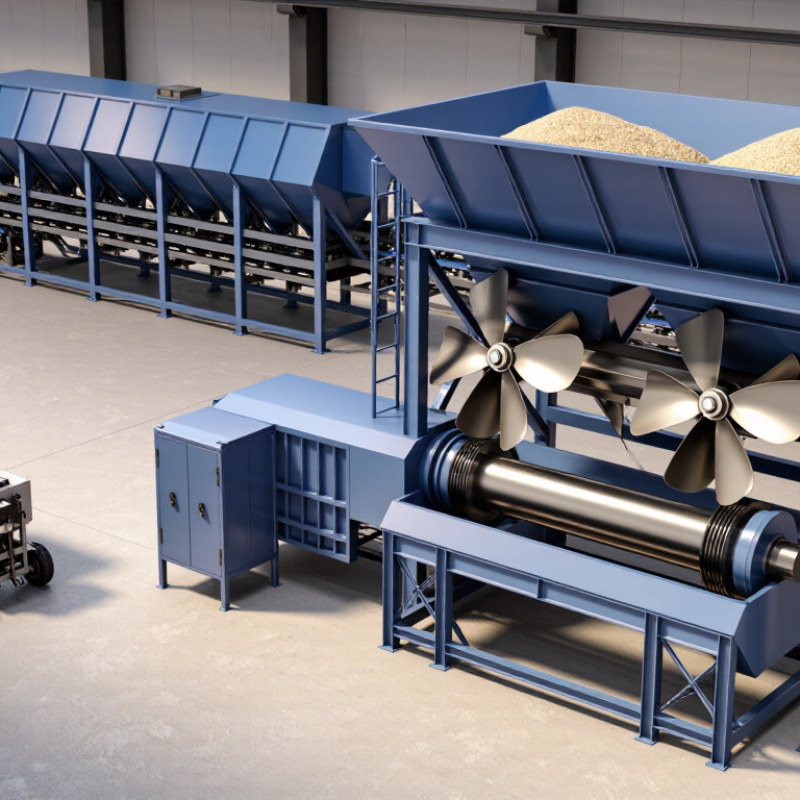
A double-shaft concrete mixer is a forced-action machine with two parallel horizontal shafts inside one mixing trough. Each shaft carries arms and paddles that move cement, aggregates, water, and admixtures through overlapping mixing zones. The shafts typically rotate in opposite directions, lifting and folding the batch while applying shear. It is not simply a drum with two axles. The paddles do the work.
GCCA estimates that roughly 14 billion cubic metres of concrete are produced worldwide each year (Global Cement and Concrete Association, “Concrete in Numbers”). That scale helps explain why consistent mixing matters, though the estimate describes concrete production, not mixer performance. A well-set-up twin-shaft unit can distribute materials quickly, but results still depend on batch size, moisture, paddle condition, and mixing time. Small details count. Worn paddle tips can leave uneven flow, even when the machine sounds normal. “Double-shaft” also does not guarantee identical designs: trough shape, shaft spacing, and paddle layout vary. So the label alone tells only part of the story.
By operation, double-shaft concrete mixers are commonly divided into batch and continuous types. A batch mixer handles a measured load at a time. Operators add materials, mix them for a set cycle, then discharge the concrete before starting again. This makes it easier to adjust recipes and inspect each load. You can see the cycle in practice: aggregate and cement enter, water follows, and the finished mix drops through the discharge gate.
A continuous mixer receives materials steadily and produces concrete as the process runs. It can suit projects needing a regular, uninterrupted supply. However, feed rates and material proportions must stay consistent; even small variations can affect the mix. The boundary between these categories is useful, but real plant setups may combine automated feeding with batch-style controls. Check the mixer’s intended output and site workflow rather than relying on its label alone.
Tips: Match the operating type to your production schedule. For batch systems, confirm cycle time and discharge capacity. For continuous systems, check feed control and output consistency. Keep a sample of fresh concrete for routine checks.
Batch-Type Double-Shaft Concrete Mixers
A batch-type double-shaft concrete mixer blends measured ingredients in separate, controlled cycles. Two horizontal shafts carry mixing paddles that move concrete through the mixing chamber. This action helps distribute cement, water, sand, and coarse aggregate more evenly than simple drum rotation. It suits plants that need repeatable batches for structural concrete, precast elements, or paving work. Batch size, material moisture, and mixing time all affect the result. A powerful mixer cannot correct inaccurate weighing. Small details matter.
Tips: Check paddle wear, liner condition, and the discharge gate regularly. Confirm that moisture readings match the actual sand and aggregate. Keep the loading sequence consistent, then adjust mixing time using test batches. There is no single ideal cycle for every mix.
When comparing models, look at usable capacity rather than total chamber volume. Consider motor power, shaft speed, access for cleaning, and how quickly the gate empties. A mixer that is easy to inspect may save time between batches. In practice, installation space and maintenance access are sometimes overlooked. That can become an expensive nuisance. Also, longer mixing does not always mean better concrete; verify workability and uniformity with appropriate quality checks.
Continuous Double-Shaft Concrete Mixers
A continuous double-shaft concrete mixer blends materials as they move through the mixing chamber, rather than producing separate batches. Two horizontal shafts carry paddles that fold and shear the mix, helping distribute cement, aggregates, water, and admixtures. This arrangement suits operations that need a steady output, such as feeding a paving line or a continuous concrete placement. The actual consistency still depends on accurate feeders and stable moisture readings. Small details matter. A damp aggregate pile can change the water balance before the mixer has a chance to correct it.
Operators should match the feed rate to the mixer’s capacity and check that material flows evenly across the chamber. If one feeder surges, the discharge may vary in texture or slump.
A practical inspection includes looking for hardened buildup around paddles and checking wear on mixing components. Continuous equipment can reduce pauses between loads, but it is not automatically the best fit for every plant. Frequent recipe changes or low, intermittent demand may make batch production easier to manage. Even experienced crews can overlook how much upstream feeding affects the final mix; the mixer cannot reliably compensate for inconsistent inputs.
Stationary and mobile configurations serve different production conditions. A stationary double-shaft mixer is installed in a fixed batching plant, where aggregate bins, cement silos, and water systems feed repeatable batches. It suits sustained output and projects with room for permanent equipment. The Global Cement and Concrete Association’s 2050 industry roadmap notes that concrete production is roughly 14 billion cubic metres annually worldwide. That scale helps explain the need for reliable, high-throughput mixing. But global volume alone does not determine the right setup.
Mobile configurations place the mixer within a transportable or modular plant, bringing production closer to road, bridge, or remote-site work. Shorter haul distances can help crews manage delivery timing, especially when access or traffic is unpredictable. The trade-off is real. Transport limits, ground stability, utility connections, and setup time all affect usable capacity. A mixer’s rated batch size may not match the site’s actual daily output. Check the complete plant layout, including aggregate feeding and discharge clearance, before selecting equipment. Small details matter. A narrow access road or uneven pad can undermine an otherwise sensible mobile plan. I would also leave room for uncertainty: site conditions often change after planning, so a little spare operating capacity can be more useful than a perfect paper estimate.
It has two parallel horizontal shafts fitted with arms and paddles inside a mixing trough. The paddles lift and fold the materials.
The shafts usually turn in opposite directions, moving cement, aggregate, water, and admixtures through overlapping mixing zones. The paddles create the mixing action.
No. Trough shape, shaft spacing, paddle layout, batch size, and mixing time can all affect results. The label tells only part of the story.
A batch mixer processes one measured load, mixes it, then discharges it. A continuous mixer receives materials steadily and produces concrete as it runs. Different workflows.
It allows operators to adjust recipes and inspect each load. Check the cycle time and discharge capacity against the production schedule.
Feed rates and material proportions need to remain steady. Small variations can affect the mix, so check output consistency and keep fresh samples for routine checks.
A mobile or modular plant can bring production closer to road, bridge, or remote-site work. Shorter haul distances may help with delivery timing.
Check transport limits, ground stability, utility connections, setup time, and discharge clearance. A narrow road or uneven pad can cause problems. Plans change.
A Double Shaft Concrete Mixer is defined by two parallel mixing shafts fitted with paddles that move and blend materials from opposing directions. This arrangement helps distribute cement, aggregates, water, and other mix components throughout the mixing chamber. Double-shaft mixers can be classified by how they operate: batch models mix a measured quantity at a time, while continuous models receive materials and discharge the mixture as part of an ongoing process.
They are also available in stationary and mobile configurations. Stationary mixers are suited to fixed production setups, whereas mobile units can be moved between work locations when flexibility is needed. Choosing among these types depends on factors such as production workflow, project scale, and site requirements. Understanding both operating methods and configurations makes it easier to identify a mixer that fits the intended application.
