A High Shear Refractory Mixer is designed to blend refractory powders and aggregates with controlled water and vigorous mechanical action. Its mixing tools move material through the mixing chamber, helping wet fine particles and distribute binders. The goal is a consistent castable, not simply a fast-moving batch. A uniform mix can support reliable placement and reduce dry pockets or clumps. That matters.
Mixer designs differ. Some use rotating blades, while others combine several mixing actions. Capacity, blade geometry, batch size, and mixing time all affect performance. Refractory formulations also vary in particle size, binder type, and water demand, so one setting cannot suit every material. Operators should follow the product supplier’s instructions and check the mix’s workability before pouring or casting. A stiff, crumbly batch may signal poor wetting; an overly fluid one may indicate excess water. Both deserve attention.
This article explains what defines a High Shear Refractory Mixer, how it works, and where it fits in refractory production. It also considers practical selection factors, including output, cleaning access, and compatibility with the intended castable. These details are easy to overlook. In real production, even a capable mixer can deliver uneven results if loading order, wear, or batch control is neglected. The equipment is only part of the process. Careful trials and routine inspection remain important, and results should be judged against the material’s technical requirements rather than appearance alone.
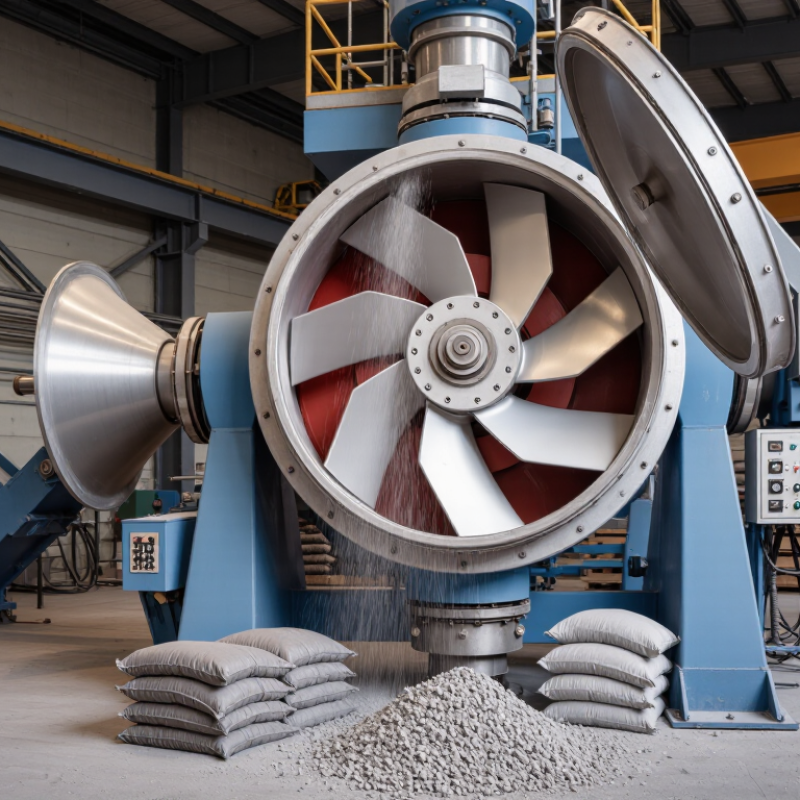
Definition and Purpose of a High Shear Refractory Mixer
A high shear refractory mixer is equipment that blends dry aggregates, binders, and fine additives, then distributes liquid through the batch. Its purpose is to create a workable, consistent castable refractory for lining furnaces, ladles, and other high-temperature equipment. High-speed mixing helps break up clumps and spread fine particles. Uniformity matters. It can make placement more predictable, whether workers are filling a narrow repair area or a larger lining.
The need for reliable refractory materials is clear in steelmaking. World Steel Association’s World Steel in Figures 2025 reports global crude steel production of 1,882.6 million tonnes in 2024. That figure does not measure mixer demand, but it shows the scale of an industry that relies on heat-resistant linings. In practice, operators must match mixing time and water addition to the formulation. A glossy surface can look ready while dry pockets remain inside. High shear is not a cure-all. Incorrect grading, excess water, or poor process control can still weaken the mix. The mixer supports consistency; it cannot replace careful testing and batch records.
Main Components and Their Functions
What Is a High Shear Refractory Mixer?
Main Components and Their Functions
A high-shear refractory mixer brings dry powders, aggregates, and liquid additives into a uniform castable. Its mixing pan contains the batch, while a rotor or set of mixing blades drives material through a fast, controlled circulation pattern. Fixed scrapers may guide material away from the pan walls, where dry pockets can otherwise form. The shear helps break powder agglomerates and coat coarse grains with binder and water. Small details matter. A motor and gearbox provide the torque needed to move dense, abrasive mixes without stalling.
A discharge gate releases the batch into a trolley or transfer system after mixing. Water and additive dosing equipment helps control the recipe, but accurate dosing still depends on calibration and consistent material handling. A dust cover limits airborne powder during charging, and replaceable wear liners protect surfaces exposed to abrasive particles. Operators should check blades, seals, and liners regularly; worn parts can change mixing action before damage becomes obvious. The right blade shape and mixing time depend on the formulation, batch size, and target workability. More shear is not always better. In practice, a small change in moisture or charging order can affect the result, so mixer settings deserve careful trials rather than guesswork.
What Is a High Shear Refractory Mixer?
A high shear refractory mixer combines refractory aggregates, powders, and liquid binders using a fast-moving mixing tool to achieve a consistent batch.
How to read the chart: The numbers show a typical process order, not mixing time or performance. Actual sequences vary by mixer design and refractory formulation. The rotor may operate across multiple stages, while the scraper helps keep material moving along the mixing vessel.
- Mixing pan: Holds the batch during mixing.
- High-speed rotor: Applies shear to disperse and blend the ingredients.
- Liquid dosing system: Adds water or binder in a controlled manner.
- Scraper: Moves material away from vessel walls and back into the mixing zone.
- Tilting discharge: Helps empty the finished batch.
How the Mixing Process Works
A high-shear refractory mixer combines dense aggregates, fine powders, and liquid binder through rapid circulation and localized shear. Dry ingredients enter first; water or binder follows gradually as mixing tools move material through the working zone. Shear helps disperse fines and break powder clumps, while circulation brings coarse grains back into contact with the binder. Watch the batch. Operators often track mixing time, motor load, and discharge temperature, then verify workability with a repeatable test. More speed is not automatically better.
The target is a uniform, workable castable—not simply a fast cycle. The World Steel Association reported 1,892.2 million tonnes of crude steel production worldwide in 2023 (World Steel in Figures 2024), illustrating the scale of refractory-dependent industrial operations. Inconsistent batches can complicate placement and lining performance. ASTM C860 provides a standardized method for assessing castable consistency, but it does not replace process control.
Small changes in moisture, grading, or mixing time can shift the result. Even a clean-looking mix can hide dry pockets. That is easy to miss. Record the recipe, sequence, mixing time, and test result for each batch; where practical, adjust one variable at a time.
Refractory Materials and Common Applications
What Is a High Shear Refractory Mixer?
Refractory Materials and Common Applications
Refractory mixes must withstand intense heat, abrasion, and sudden temperature changes. They often contain alumina, silica, magnesia, or other mineral aggregates, combined with fine powders and a binder. A high shear mixer helps distribute these ingredients evenly, reducing dry pockets and clumps. Details matter. Even a small variation in water content can affect flow, setting time, and the finished lining’s strength.
These mixers are used to prepare castables for steel ladles, furnace linings, cement kilns, and industrial boilers. In a repair shop, for example, workers may mix a small batch of low-cement castable for a damaged burner area. The material needs to coat the form without separating or trapping too much air. High shear mixing can support a more consistent blend, but it cannot fix poor raw materials or an incorrect recipe. Not every batch behaves alike. Operators still need to follow the material supplier’s instructions, control mixing time, and check the mix by hand or with suitable tests. A mix that looks smooth may still need adjustment. That part is easy to overlook.
Key Factors in Mixer Selection and Operation
A high shear refractory mixer must match the material, batch size, and production rhythm. Start with the recipe: dense castables, low-cement mixes, and fiber-containing compounds behave differently. Check the aggregate’s maximum particle size and the binder’s moisture sensitivity. A mixer that works well for a small laboratory batch may struggle with a full production load. That matters.
Compare working capacity, drive power, and torque under load, not just the advertised batch volume. Refractory aggregates can be abrasive, so inspect the construction of the mixing tools, vessel lining, and discharge area. Ask how these parts are replaced and how long routine maintenance takes. A small access hatch can turn a simple inspection into a frustrating job.
Operation affects consistency as much as equipment choice. Keep the loading sequence, mixing time, and water addition controlled; even a brief delay can change workability. Watch for dry pockets near the vessel wall and uneven coating on larger grains. Record batch temperature and power draw during trials, then compare results with flow or strength tests suited to the product. Use dust extraction and guards, and verify that interlocks function before production. No trial is perfect. If results vary, check the recipe and loading method before assuming the mixer is at fault.
Conclusion
A High Shear Refractory Mixer is designed to blend refractory powders, aggregates, binders, and liquids into a consistent material with minimal dry pockets and uneven distribution. Its main components typically include a mixing vessel, high-speed rotor or mixing blades, drive system, and controls. Each part contributes to moving and shearing the batch so ingredients combine evenly while the operator can manage mixing time and intensity.
During operation, materials are added in a planned sequence and circulated through the mixing zone, where high shear helps disperse fine particles and distribute moisture or binders. The resulting mix may be used for castables, furnace linings, and other heat-resistant construction applications. Choosing and operating a mixer involves considering batch capacity, material characteristics, required consistency, mixing speed, and ease of cleaning. Following suitable loading and operating procedures can help achieve reliable batches and support efficient production.