
China Top PTFE Powder Intensive Mixer Manufacturer?

Time:2026-10-27 Author:Liam
0%

Choosing a China Top PTFE Powder Intensive Mixer Manufacturer requires more than comparing prices or catalog photographs. PTFE powder behaves differently from ordinary thermoplastics. Its low friction, high melt viscosity, and delicate particle structure demand controlled, low-shear processing. A reliable manufacturer should explain how the mixer handles powder feeding, temperature control, torque changes, and discharge consistency.

Dr. Roy Plunkett, the chemist credited with discovering PTFE, is often remembered for saying, “The discovery was a surprise.” That observation still matters today. PTFE processing can produce unexpected results when moisture, batch density, or mixing temperature changes slightly. The quotation does not describe an intensive mixer directly. However, it reminds engineers to respect the material rather than rely on assumptions.

A dependable Ptfe Powder Intensive Mixer supplier should provide more than technical claims. Look for documented testing, practical application experience, material-contact specifications, and responsive engineering support. A stainless-steel mixing chamber, reinforced paddles, accurate temperature sensors, and stable torque monitoring can improve production control. Small details matter.

Not every impressive machine performs equally well. Some designs may appear efficient but create uneven powder distribution. Others may require frequent cleaning or complicated maintenance. This is where careful evaluation becomes necessary. Buyers should request trial data using their actual PTFE grade and formulation. That step may feel slower. It often prevents costly mistakes.

This guide examines how Chinese manufacturers compare in engineering capability, customization, quality management, and after-sales service. It also considers limitations that suppliers may not highlight. Reliable decisions come from evidence, not confident wording.
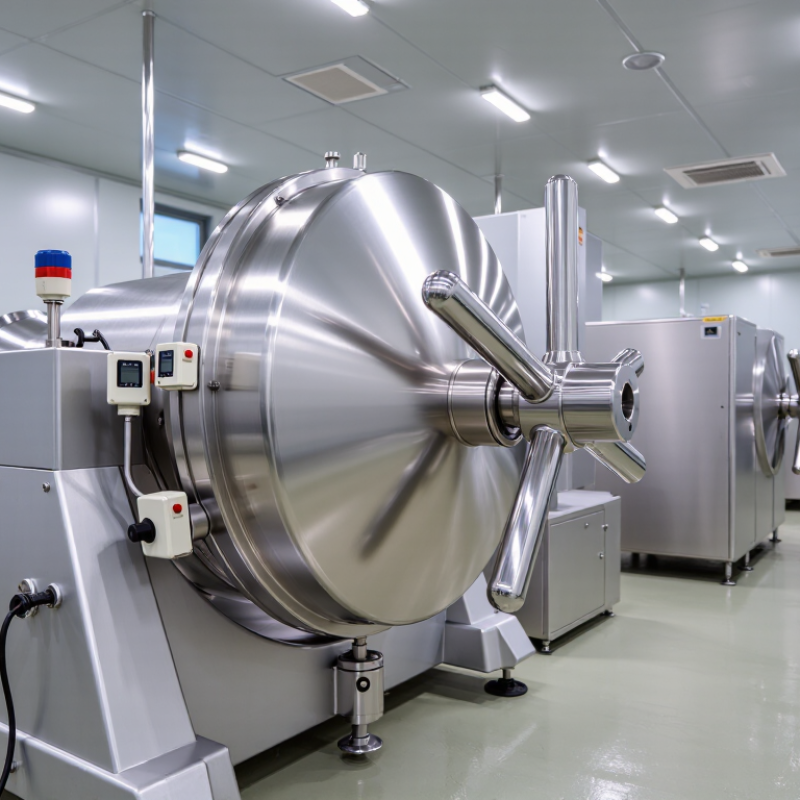
China Top PTFE Powder Intensive Mixer Manufacturer?

PTFE Powder Intensive Mixers: Definition and Core Functions

PTFE powder intensive mixers are industrial machines designed to blend PTFE resin with fillers, pigments, and processing aids. Unlike ordinary ribbon mixers, they apply controlled shear and compression inside a reinforced chamber. This action breaks soft agglomerates and improves powder distribution.

The core function is uniformity. Operators must control rotor speed, batch temperature, mixing time, and fill level. Excessive shear can raise local temperature and damage powder behavior. Insufficient mixing leaves visible streaks or uneven filler content. Practical trials often compare samples from the top, middle, and bottom of each batch. That simple check can reveal problems sensors miss.

According to MarketsandMarkets, the global fluoropolymer market may grow from about USD 8.5 billion in 2023 to USD 11.8 billion by 2028, at roughly 6.7% annually. Grand View Research also identifies chemical resistance and high-temperature performance as major PTFE demand drivers. However, market growth does not guarantee stable production. Poor dust control, inaccurate loading, or neglected rotor clearance can still reduce consistency. The machine is only part of the process. Operator experience matters, and some production settings require repeated testing before the correct mixing profile becomes clear.

How PTFE Powder Intensive Mixers Work Step by Step

How PTFE Powder Intensive Mixers Work Step by Step

A PTFE powder intensive mixer starts with careful material preparation. Operators check powder moisture, particle condition, and container cleanliness. Even small contamination can affect insulation, surface quality, and final consistency. The powder enters a strong mixing chamber with controlled clearance around the blades. The blades then lift, fold, and press the material repeatedly.

During mixing, friction gradually changes the powder’s movement and temperature. Sensors help operators monitor motor load and chamber heat. Excessive heat may damage powder performance, while insufficient mixing can create uneven batches. Experienced technicians adjust speed, filling level, and mixing time according to the powder grade. The process is not completely automatic. Human observation still matters.

Tips: Keep the chamber dry and inspect blades before production. Use a calibrated temperature sensor. Record torque changes during each batch. If the powder looks uneven, stop and investigate instead of extending the cycle blindly. A longer cycle is not always better. In practice, every formula behaves slightly differently, so test batches deserve careful review. Small operating errors can remain invisible until molding begins. That is why reliable manufacturers document cleaning, inspection, and process settings for every production run.

Key Specifications for Selecting a PTFE Powder Mixer

Selecting a PTFE powder mixer requires more than checking the advertised batch capacity. Working volume should usually remain around 50–70% of the chamber volume. Too little material reduces mixing efficiency, while overfilling can create dead zones. Check motor power, torque, rotor speed, and speed-control range together. High speed is not always better. Excessive friction may raise powder temperature and affect consistency.

Tips: Request a test report using your actual PTFE grade and target batch size. Measure powder temperature at several points. Ask how the mixer handles fine dust, static buildup, and discharge residue. A short trial can reveal more than a polished specification sheet.

Temperature control deserves close attention. A water or oil jacket can stabilize the chamber during longer cycles. Confirm the operating range, sensor position, and alarm response. Product-contact surfaces should resist corrosion and allow practical cleaning. Inspect shaft seals, access doors, and discharge valves carefully. Small gaps can retain powder, especially after repeated production runs. Engineers should also verify noise levels, maintenance access, and spare-part availability. A larger motor may look safer, but it can waste energy and increase shear. This is easy to overlook. Supplier documentation should include drawings, material details, test conditions, and realistic delivery terms. Some specifications remain unclear until the machine meets real powder behavior.

How to Evaluate a PTFE Powder Mixer Manufacturer in China

China Top PTFE Powder Intensive Mixer Manufacturer?

Evaluating a PTFE powder mixer manufacturer requires more than comparing quotations. Grand View Research estimated the global PTFE market at about USD 3.1 billion in 2023, with steady growth expected through 2030. This growth increases pressure on manufacturers to deliver stable powder quality. Ask for documented experience with fine PTFE grades, abrasive fillers, and temperature-sensitive formulations. Request batch records, mixing curves, and real test samples.

Focus on measurable engineering details. The mixer should provide controlled torque, uniform blade clearance, sealed dust protection, and repeatable discharge. Ask how the supplier verifies homogeneity between batches. A practical factory audit should inspect welding quality, surface finish, bearing protection, and cleaning access. ISO 9001 certification supports process control, but it does not prove mixing performance. Insist on factory acceptance testing with your actual powder.

Do not overlook service capability. A 2024 industry assessment by MarketsandMarkets identified performance materials and process reliability as major fluoropolymer market drivers. That makes commissioning support important. Check spare-part availability, response time, electrical documentation, and operator training. Ask for references from comparable production lines, not only laboratory projects. A cheap mixer may pass an empty-load test and fail under real powder torque. No checklist is flawless. I would still require an independent trial, because supplier claims can sound precise while hiding small process weaknesses.

How to Evaluate a PTFE Powder Mixer Manufacturer in China

This recommended evaluation model prioritizes process performance, powder-handling safety, material compatibility, and quality documentation. Buyers should verify each item through test-mixing results, technical drawings, certificates, inspection records, and after-sales support terms rather than relying only on quotations.

Applications, Maintenance, and Quality Control of PTFE Mixers

Applications, Maintenance, and Quality Control of PTFE Mixers

PTFE powder intensive mixers prepare uniform blends for seals, liners, bearings, tubes, and electrical components. They also disperse selected fillers, pigments, and processing aids. A stable blend supports consistent forming and reduces weak spots after sintering. Operators should match mixer capacity with powder volume, since overfilling can create uneven shear. Small details matter. Mixing time, blade speed, and material temperature need controlled records.

Maintenance begins with a dry, clean chamber. Operators should inspect blades, shafts, seals, and discharge gates before each shift. Scraped powder around the seal may indicate wear or poor alignment. Remove residue carefully, because hardened particles can affect later batches. Check motor current and unusual vibration during operation. These readings often reveal problems before visible damage appears. Do not rely on a fixed maintenance calendar alone; actual powder load and production frequency change wear rates.

Quality control should include raw material identification, moisture checks, batch weighing, and documented mixing parameters. Samples from different chamber locations can reveal poor dispersion. A sieve test, bulk-density check, and visual inspection may expose agglomerates. Trial forming and sintering provide stronger evidence than appearance alone. Records should connect each batch with operators, equipment settings, and inspection results. One limitation remains: laboratory results may not represent full-scale behavior. Review that gap instead of assuming every batch performs identically.

FAQS

What is a PTFE powder intensive mixer?

It blends PTFE resin with fillers, pigments, and processing aids. Controlled shear and compression improve powder distribution. It is not simply a larger ribbon mixer.

How does the mixer improve powder uniformity?

Rotors break soft agglomerates inside a reinforced chamber. Operators control speed, temperature, mixing time, and fill level. Uniformity still requires physical sampling.

What fill level is usually practical?

Working volume commonly stays near 50–70% of chamber volume. Too little powder may mix poorly. Overfilling can create dead zones.

Is higher rotor speed always better?

No. Excessive speed increases friction and local temperature. Powder behavior may change. A slower, stable cycle can produce better results.

How can operators check whether a batch is uniform?

Take samples from the top, middle, and bottom. Compare filler content, color, and visible streaks. Sensors can miss uneven powder distribution.

What specifications deserve close attention?

Check motor power, torque, rotor speed, and speed-control range together. Review working volume and discharge design. A large motor is not automatically safer.

Why does temperature control matter?

Long cycles can heat powder through friction. Water or oil jackets help stabilize chamber temperature. Confirm sensor position, operating range, and alarm response.

What should a practical equipment trial include?

Use the actual PTFE grade and target batch size. Measure temperature at several points. Inspect dust handling, static buildup, discharge residue, and cleaning access.

Which maintenance details are easy to overlook?

Inspect shaft seals, access doors, discharge valves, and rotor clearance. Small gaps can retain powder. Maintenance access and spare parts also matter.

Can a mixer specification sheet guarantee production consistency?

No. Real powder behavior may differ from written specifications. Repeated trials may be necessary. The first mixing profile is rarely perfect.

Conclusion

A Ptfe Powder Intensive Mixer is specialized equipment designed to blend PTFE powder uniformly while preserving its material properties. Its intensive mixing chamber uses controlled mechanical forces to distribute powder evenly, reduce agglomeration, and achieve consistent processing performance. The mixing process generally includes material loading, low-speed pre-mixing, intensive blending, temperature monitoring, and controlled discharge. When selecting a mixer, buyers should evaluate working volume, motor power, mixing speed, chamber design, temperature control, sealing performance, material compatibility, cleaning convenience, and production capacity.

Choosing a reliable manufacturer in China requires careful assessment of engineering expertise, manufacturing quality, customization capability, testing procedures, and after-sales support. PTFE mixers are commonly used in plastic processing, sealing materials, electrical components, chemical applications, and other industries requiring stable powder preparation. Regular maintenance, including inspection of blades, seals, bearings, and electrical systems, helps extend service life. Effective quality control should cover raw materials, equipment assembly, trial operation, mixing uniformity, and final performance verification.

Liam

Liam

Liam is a dedicated marketing professional with a profound expertise in the industry, where he excels at highlighting the unique advantages of our core products. With a keen understanding of market trends and consumer needs, Liam frequently updates our company’s professional blog, providing......