
2026 Top Monolithic Refractory Mixer Buying Guide?

Time:2026-09-22 Author:Aria
0%

Choosing a Monolithic Refractory Mixer in 2026 requires more than comparing motor power or drum capacity. The right machine must produce uniform castable mixes under demanding plant conditions. It should handle dense aggregates, fine powders, fibers, and carefully measured water without creating dry pockets.

Dr. Michel Rigaud, a recognized refractory materials specialist, has emphasized a practical principle: “Refractory performance depends on disciplined processing, not formulation alone.” This idea remains important when evaluating mixer design. A powerful motor cannot repair poor batching, excessive mixing time, or inconsistent moisture control.

This buying guide examines the details that influence daily production. It considers planetary, pan, and twin-shaft configurations. It also reviews mixing speed, discharge design, wear-resistant linings, dust protection, cleaning access, and programmable water dosing. Picture a 500-liter batch leaving the mixer smoothly, with no powder clinging to the corners. That result saves labor and reduces installation defects.

However, no mixer is perfect. A fast machine may increase heat, dust, or wear. A larger model may reduce flexibility for smaller batches. Automatic controls can improve repeatability, yet they still require trained operators and regular calibration. These trade-offs deserve honest attention.

The guide also compares supplier support, spare-part availability, safety features, and total operating cost. Purchase price matters, but downtime often matters more. A reliable Monolithic Refractory Mixer should fit your materials, batch size, workforce, and maintenance habits. One overlooked detail can become tomorrow’s production problem.
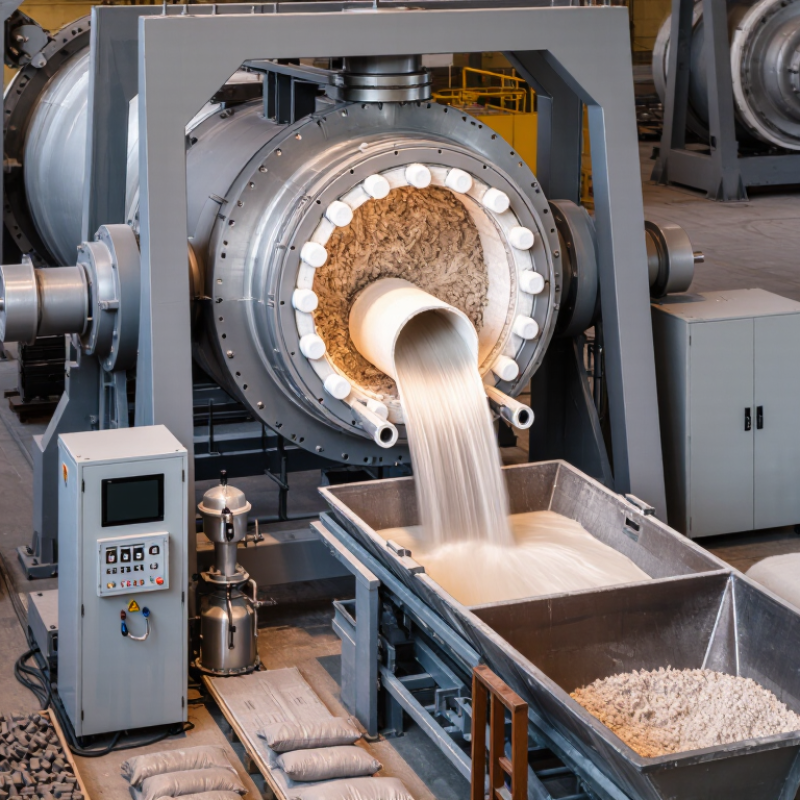
2026 Top Monolithic Refractory Mixer Buying Guide?

What Is a Monolithic Refractory Mixer and How Does It Work?

A monolithic refractory mixer is industrial equipment designed to blend dry refractory materials with water or liquid binders. These materials later line furnaces, kilns, ladles, and other high-temperature equipment. Unlike ordinary concrete mixers, refractory mixers must protect particle grading and produce a highly consistent mixture.

The process begins when dry powders enter the mixing chamber. Rotating paddles or blades distribute fine particles, aggregates, and additives throughout the batch. Controlled water injection follows. The blades then break down dry pockets and spread moisture across the material.

A well-designed mixer creates a uniform mass without excessive friction or unnecessary air. Mixing time depends on the formulation, moisture level, and batch size. It is not always better to mix longer. Overmixing can damage particle structure or increase temperature.

In field use, operators should check discharge consistency, blade wear, and cleaning time. Small variations matter.

Tips: Match the mixer to the refractory type, not only its capacity. Test a small batch before full production. Observe whether the material leaves the chamber smoothly. Record water dosage and mixing time for repeatable results. Also, inspect seals and paddles regularly. A neglected mixer may appear operational while quietly reducing installation quality. No machine is perfect, and actual results can differ from catalog figures. Temperature, raw material moisture, and operator technique often change performance. That is why practical trials remain essential before purchasing a monolithic refractory mixer in 2026.

Which Mixer Types Suit Different Monolithic Refractory Materials?

Choosing a mixer starts with the refractory’s flow behavior, not its advertised capacity. Dry vibrating castables need strong particle movement and controlled moisture distribution. A forced-action pan mixer suits these dense, low-cement mixes well. Its fixed pan and rotating blades break dry pockets before water activates the binder. For medium batches, this design offers practical control at the job site. Still, discharge can leave material around corners.

Self-flowing castables require gentler, more uniform blending. A planetary mixer is often better because several mixing paths reduce dead zones. This matters when small water changes affect spread, setting, and final strength. Use a low-speed cycle for powders, then a controlled high-speed cycle after liquid addition. Do not chase maximum speed. Excessive shear may warm the mix or entrain unwanted air. For plastic refractories and ramming mixes, a heavy-duty twin-shaft or pugmill mixer provides sustained torque. These materials resist movement, especially below their ideal moisture range.

Gunning materials generally need short, consistent dry blending before pneumatic application. A paddle mixer can handle this efficiently when fibers and fine additives are present. Long fibers may still form balls. Operator experience matters. Site trials often reveal problems hidden by laboratory tests. Worn blades, poor loading order, or inaccurate water control can cause uneven castable. Check torque, batch temperature, mixing time, and residue after every trial. Record the results carefully.

How to Evaluate Mixer Capacity, Power, and Mixing Performance

A reliable monolithic refractory mixer starts with usable capacity, not the advertised drum volume. A 500-liter machine may handle only 300–350 liters comfortably, depending on powder bulk density and fiber content. Overfilling creates dead zones near the mixer wall. Underfilling can reduce blade contact and increase dust exposure. ISO 1927-5:2013 recommends controlling raw-material preparation and mixing conditions carefully, especially for low-cement castables.

Power needs equal attention. A higher kilowatt rating does not automatically produce better mixing. Torque during the first 30 seconds often matters more, when dry powder resists blade movement. The 2024 IMARC refractory materials market report highlights rising demand for engineered monolithics, which usually require tighter process control. Buyers should request motor torque curves, overload protection details, and measured energy use per batch. A 22 kW motor may outperform a 30 kW motor if its transmission maintains torque under load.

Mixing performance should be tested with the actual formulation. Check wetting time, discharge consistency, residue on the sidewall, and batch-to-batch variation. ASTM C860 provides a useful framework for evaluating castable consistency, although it does not replace a plant trial. I once judged a mixer by its fast discharge and overlooked unmixed material beneath the blades. That was a costly assumption. A practical trial should compare at least three batches, using samples from the beginning, middle, and end of discharge. A coefficient of variation below 5% can be a useful internal target, but material behavior may make that target unrealistic.

What Features Improve Mixer Durability, Safety, and Maintenance?

2026 Top Monolithic Refractory Mixer Buying Guide

Durability begins with the mixing chamber, not the motor alone. Choose a thick, abrasion-resistant lining for harsh monolithic refractory batches. Replaceable wear plates can reduce downtime and control repair costs. A sealed gearbox protects internal components from dust and moisture. However, oversized motors do not guarantee longer service life. Poor alignment, overloaded paddles, and rushed cleaning can still cause early failure. During inspections, check unusual vibration, rising temperature, and uneven blade wear. These small signs often appear before major damage.

Safety features should be practical and easy to test. A guarded discharge area prevents contact with moving parts. Interlocked access doors should stop the mixer when opened. Emergency-stop controls must remain visible and reachable. Dust extraction connections can improve air quality around the loading point. Maintenance also improves when the mixer includes wide inspection ports, simple grease points, and accessible wear components. Clear service instructions matter. They are sometimes overlooked.

Tips: Keep a daily log of batch weight, mixing time, vibration, and cleaning results. Remove hardened material before it thickens around the shaft. Inspect bolts after the first operating week. Ask the supplier about spare-part availability and technician support. Do not assume the factory setting suits every formulation. Small adjustments may be necessary. Track them carefully.

How to Compare Suppliers, Costs, and Total Ownership Value in 2026

2026 Top Monolithic Refractory Mixer Buying Guide

How to Compare Suppliers, Costs, and Total Ownership Value in 2026

A low purchase price rarely shows the full cost of a monolithic refractory mixer. Compare suppliers using the same batch capacity, mixing speed, material density, and moisture range. Ask for verified test results, not only catalog figures. Request a trial with your actual castable, including coarse aggregate and fiber content. Small differences in mixing uniformity can affect installation quality and repair frequency.

Review the complete quotation carefully. Include motor power, control systems, dust protection, wear liners, delivery, installation, training, and spare parts. A cheaper mixer may require more manual cleaning after each batch. That labor becomes expensive during continuous production. Check the expected service life of paddles, liners, seals, and discharge gates. Ask how quickly replacement parts can arrive in your region.

Ownership value needs real operating numbers. Estimate batches per shift, electricity use, cleaning time, maintenance hours, and potential downtime. A supplier should provide maintenance records, references from comparable applications, and clear warranty conditions. I once focused too heavily on output per hour and underestimated discharge consistency. That mistake changed my evaluation method. I now score suppliers on reliability, technical support, safety features, and documented performance. Not every impressive specification matters. Test the difficult material. Watch the mixer during startup, loading, mixing, and discharge. Also inspect access points, because awkward maintenance can quietly increase costs.

FAQS

Which mixer suits dry vibrating castables?

A forced-action pan mixer usually works well. Its rotating blades break dry pockets before water activates the binder. Medium batches gain practical control. Material may remain in corners after discharge.

What mixer is suitable for self-flowing castables?

A planetary mixer often provides gentler, more uniform blending. Several mixing paths reduce dead zones. Use low speed for powders, then controlled higher speed after liquid addition.

Why should operators avoid maximum mixing speed?

Excessive shear can warm the mix or trap unwanted air. Small water changes may affect spread, setting, and final strength. Maximum speed is not always better.

Which mixer handles plastic refractories and ramming mixes?

A heavy-duty twin-shaft or pugmill mixer provides sustained torque. These materials resist movement, especially when moisture is below the workable range. The machine needs enough power.

What mixer works for gunning materials?

A paddle mixer can provide short, consistent dry blending. It handles fine additives and fibers efficiently. Long fibers may still form balls. Operator experience remains important.

How should a supplier’s mixer be tested?

Request a trial using your actual castable, coarse aggregate, and fiber content. Watch startup, loading, mixing, and discharge. Check torque, batch temperature, mixing time, and residue.

What costs should buyers include beyond the purchase price?

Include motor power, controls, dust protection, wear liners, delivery, installation, training, and spare parts. Also estimate electricity, cleaning labor, maintenance, and possible downtime.

How can buyers compare long-term mixer value?

Compare suppliers using equal capacity, speed, density, and moisture conditions. Review maintenance records, warranty terms, references, and spare-part delivery times. I once valued output too highly. Discharge consistency mattered more than expected.

Conclusion

Choosing the right Monolithic Refractory Mixer in 2026 requires more than comparing purchase prices. This guide explains how these mixers combine dry refractory aggregates, binders, and additives into a consistent, workable mass, while examining mixer types suited to different material formulations and production requirements. It also outlines how to assess capacity, motor power, batch size, mixing speed, discharge efficiency, and overall performance to match equipment with actual operating needs.

The guide further highlights practical features that support long service life, including wear-resistant components, effective sealing, accessible inspection points, safety protection, and straightforward maintenance. Finally, it presents a method for comparing suppliers through equipment quality, customization, technical support, spare-parts availability, delivery terms, and operating costs. By evaluating productivity, energy consumption, maintenance frequency, and expected service life together, buyers can identify the best total ownership value rather than selecting equipment based only on its initial cost.

Aria

Aria

Aria is a dedicated marketing professional with a deep passion for innovative strategies and a keen understanding of our company's product offerings. With a wealth of experience in the industry, Aria excels at crafting engaging content that highlights the unique features and benefits of our......